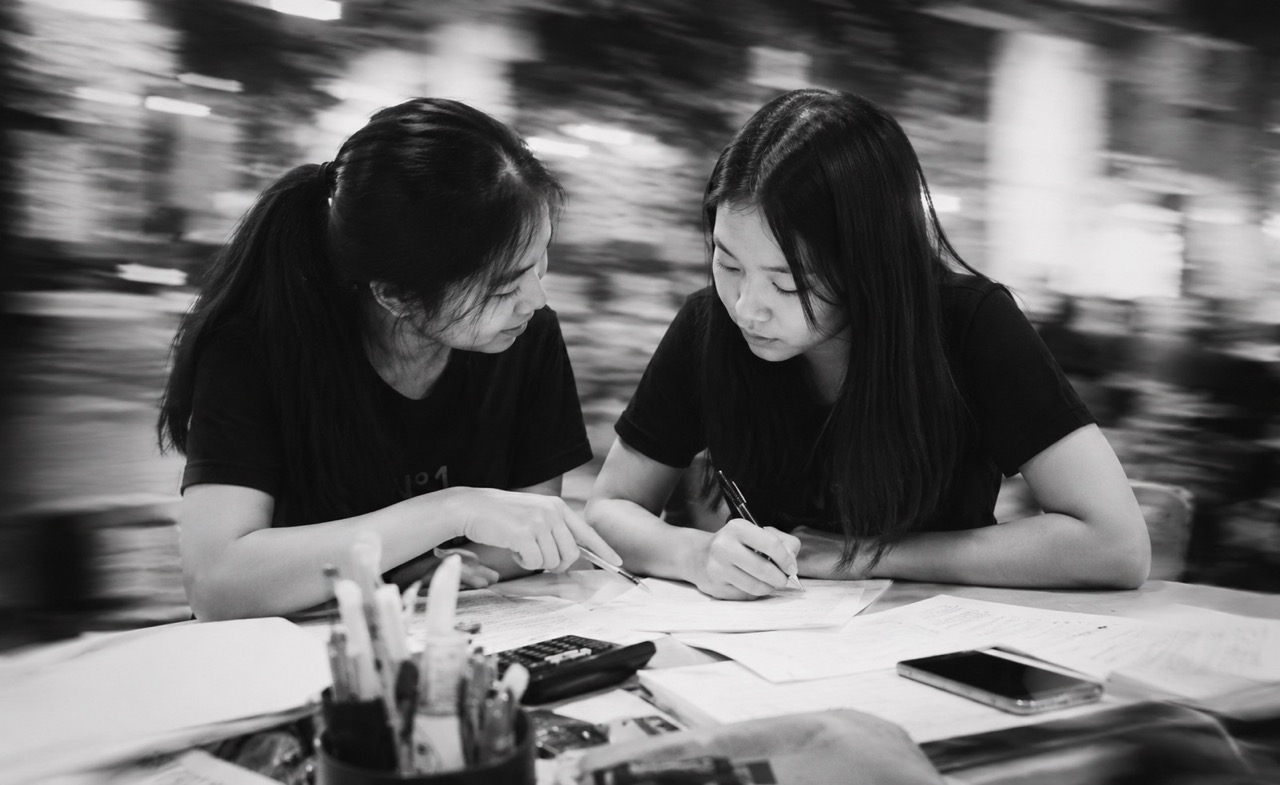
Education turns experience, explanation and practice into independent capability.
A learner begins somewhere, encounters new ideas, tries to use them, makes errors, receives feedback and gradually becomes able to perform with less support.
Input: explanation, demonstration, reading and experience.
Construction: making meaning and connecting ideas.
Practice: retrieving and using what was learned.
Transfer: applying it when the question or context changes.
Feedback: using results to decide what still needs repair.
Schools, teachers, parents, tutors and resources can all support this process. But the eventual measure is what the learner can reliably understand and do.
Education is not the amount of teaching delivered. It is the capability that survives in the learner.
Continue through the education network
Education becomes easier to navigate when curriculum, learning practice, family support, research and optional tuition routes remain distinct but connected.
Choose the question that brought you here. Open one useful guide, try a small task, and stop when you have what you need.
Take one question further
The same learning habit can travel across subjects, while each subject keeps its own methods. These routes help you notice a difficulty, understand one part of it, and return to something you can do.
Try it without the guide: Choose one word you already know. Close the guide and use it in a new sentence. Explain why it fits; try another context tomorrow.
A piece of writing has ideas, but the reader loses the thread.
Try it without the guide: Choose one short paragraph. Read the relevant explanation, close it, and revise the paragraph. Ask someone to tell you what happened and why.
The Mathematics seems familiar, but marks still disappear.
Try it without the guide: For a Secondary 4 A-Math question you have attempted, locate the first uncertain line. Repair that step, then try a comparable question without the worked answer.
A Science fact is remembered, but the explanation is incomplete.
Try it without the guide: Choose a familiar Primary Science example. Explain the evidence, the idea and the result without notes. Then change one condition and explain your prediction.
Try it without the guide: Take one claim. Find the source best placed to support it, note its date, and state what remains uncertain. Return to your original question.
There is plenty of help, but independence is hard to see.
Try it without the guide: Choose one small task the child has practised. Agree on a calm, brief attempt without prompts. Use what happens to choose one next step, then stop.