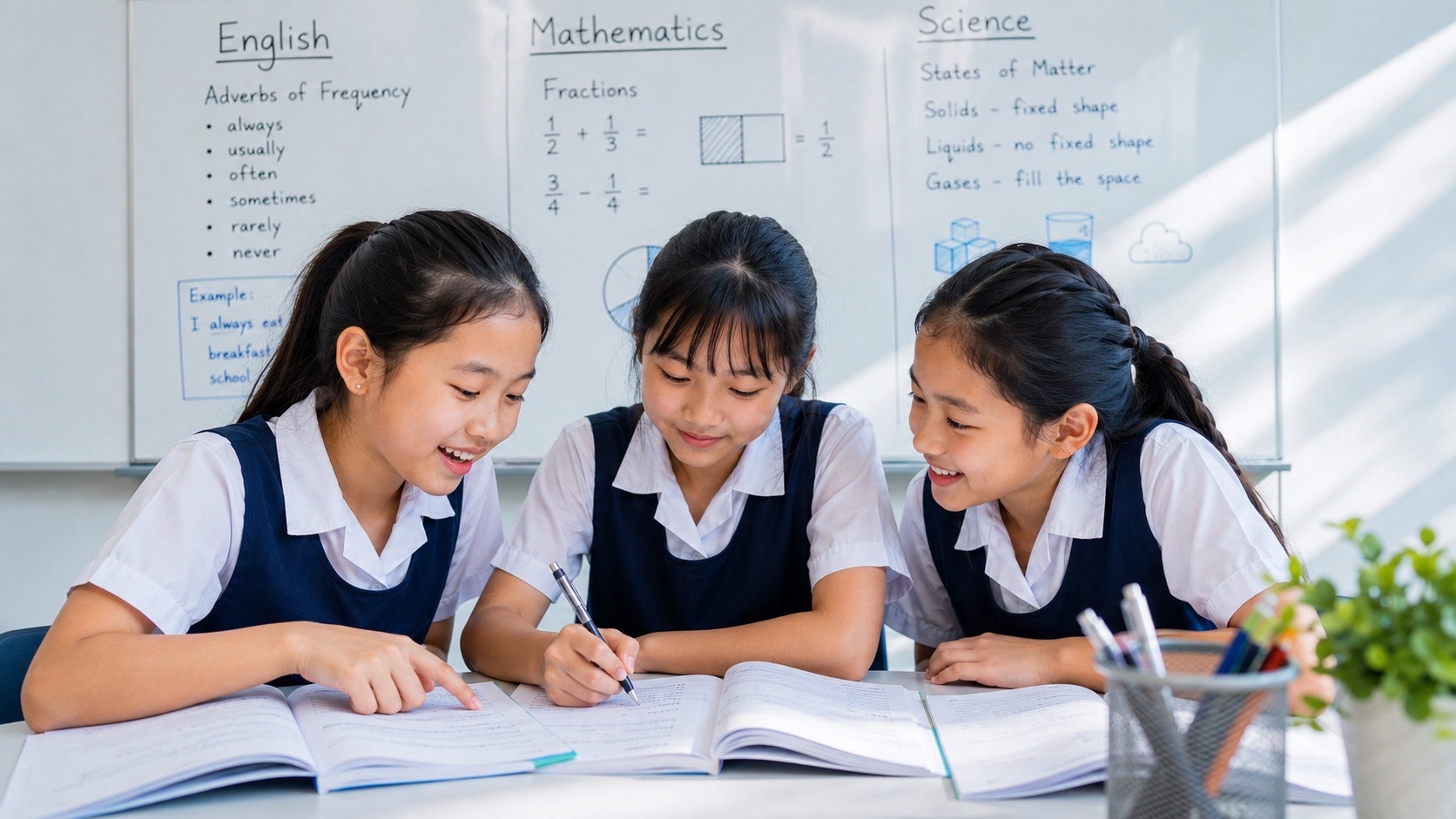
300 practical Korean vocabulary words and expressions for children, with 30 distinct entries per age from one through ten. The word lists come first, in Hangul, with an English meaning and a natural Korean example sentence for every entry. These words move from everyday needs and feelings to explaining information, making decisions and thinking critically.
The age headings are flexible editorial themes, not language-development deadlines. A one-year-old is not required to say, read or spell thirty Korean words. Adults can model them during real moments, and older beginners can start with the earliest section while using age-respectful activities. “Must know” means practically useful to introduce, not a verified list of Korea’s most frequent words or an official school syllabus.
- 300 unique Korean entries: 30 in each age group from 1 to 10.
- Hangul and meaning: Korean original, simple English gloss and useful sentence.
- Everyday usage: explanations, polite forms, particles and naturally conjugated verbs.
- Learning support: choose a few words for communication rather than treating the tables as compulsory homework.
Korean vocabulary word lists by age
Age 1 · Age 2 · Age 3 · Age 4 · Age 5 · Age 6 · Age 7 · Age 8 · Age 9 · Age 10
How to use the lists · Korean language notes · Four-week plan · FAQs · Sources
Each headword or practical phrase counts as one entry, even when it uses several written words. Many verbs and adjectives appear in their dictionary forms ending in -다, but the example sentences show a more natural conversational form.
Age 1: 30 Korean words — Family, everyday needs and objects
| No. | Korean word or expression | English meaning | Everyday Korean example |
|---|---|---|---|
| 1 | 엄마 | mum; mother | 엄마가 여기 있어요. |
| 2 | 아빠 | dad; father | 아빠가 책을 읽어요. |
| 3 | 아기 | baby | 아기가 자고 있어요. |
| 4 | 할머니 | grandmother | 할머니가 오셨어요. |
| 5 | 할아버지 | grandfather | 할아버지가 웃으세요. |
| 6 | 물 | water | 물을 주세요. |
| 7 | 우유 | milk | 컵에 우유가 있어요. |
| 8 | 밥 | meal; cooked rice | 밥 먹을 시간이에요. |
| 9 | 빵 | bread | 빵을 먹어요. |
| 10 | 컵 | cup | 이 컵을 써요. |
| 11 | 숟가락 | spoon | 숟가락으로 먹어요. |
| 12 | 접시 | plate | 접시가 깨끗해요. |
| 13 | 공 | ball | 공이 굴러가요. |
| 14 | 책 | book | 책을 읽어요. |
| 15 | 침대 | bed | 고양이가 침대에 있어요. |
| 16 | 문 | door | 문이 열려 있어요. |
| 17 | 손 | hand | 손을 잡아요. |
| 18 | 발 | foot | 발을 씻어요. |
| 19 | 눈 | eye | 인형의 눈이 파래요. |
| 20 | 입 | mouth | 인형이 입을 벌려요. |
| 21 | 코 | nose | 곰의 코가 작아요. |
| 22 | 고양이 | cat | 고양이가 자요. |
| 23 | 개 | dog | 개가 물을 마셔요. |
| 24 | 새 | bird | 새가 노래해요. |
| 25 | 먹다 | to eat | 같이 먹어요. |
| 26 | 마시다 | to drink | 물을 마셔요. |
| 27 | 자다 | to sleep | 이제 잘 시간이에요. |
| 28 | 더 | more | 조금 더 주세요. |
| 29 | 아니요 | no | 아니요, 괜찮아요. |
| 30 | 네 | yes | 네, 좋아요. |
Make the words useful: Name an object or person the child can see and respond to a gesture or request.
Age 2: 30 Korean words — Movement, requests and useful actions
| No. | Korean word or expression | English meaning | Everyday Korean example |
|---|---|---|---|
| 1 | 저 | I, polite | 저는 여기 있어요. |
| 2 | 나 | I, informal | 나는 집에 있어요. |
| 3 | 내 | my, informal | 이건 내 가방이에요. |
| 4 | 여기 | here | 여기에 앉아요. |
| 5 | 저기 | over there | 책이 저기 있어요. |
| 6 | 가다 | to go | 공원에 가요. |
| 7 | 오다 | to come | 친구가 와요. |
| 8 | 열다 | to open | 상자를 열어요. |
| 9 | 닫다 | to close | 문을 닫아요. |
| 10 | 올라가다 | to go up | 계단을 올라가요. |
| 11 | 내려가다 | to go down | 천천히 내려가요. |
| 12 | 앉다 | to sit | 의자에 앉아요. |
| 13 | 일어나다 | to get up | 이제 일어나요. |
| 14 | 걷다 | to walk | 같이 걸어요. |
| 15 | 달리다 | to run | 공원에서 달려요. |
| 16 | 뛰다 | to jump; run | 토끼가 뛰어요. |
| 17 | 보다 | to look; see | 사진을 봐요. |
| 18 | 듣다 | to listen; hear | 이야기를 들어요. |
| 19 | 주다 | to give | 책을 주세요. |
| 20 | 받다 | to receive | 선물을 받아요. |
| 21 | 도와주다 | to help | 친구를 도와줘요. |
| 22 | 기다리다 | to wait | 잠깐 기다려요. |
| 23 | 크다 | to be big | 이 나무는 커요. |
| 24 | 작다 | to be small | 이 상자는 작아요. |
| 25 | 뜨겁다 | to be hot | 국이 뜨거워요. |
| 26 | 차갑다 | to be cold to touch | 물이 차가워요. |
| 27 | 젖다 | to get wet | 옷이 젖었어요. |
| 28 | 마르다 | to dry | 수건이 말랐어요. |
| 29 | 신발 | shoes | 신발을 신어요. |
| 30 | 옷 | clothes | 옷을 입어요. |
Make the words useful: Use safe actions and real choices instead of a flashcard-only drill.
Age 3: 30 Korean words — Feelings, time and shared activities
| No. | Korean word or expression | English meaning | Everyday Korean example |
|---|---|---|---|
| 1 | 기쁘다 | to be happy | 친구를 만나서 기뻐요. |
| 2 | 슬프다 | to be sad | 조금 슬퍼요. |
| 3 | 화나다 | to get angry | 화가 났어요. |
| 4 | 무섭다 | to be frightening; afraid | 이 소리가 무서워요. |
| 5 | 피곤하다 | to be tired | 오늘은 피곤해요. |
| 6 | 배고프다 | to be hungry | 배가 고파요. |
| 7 | 목마르다 | to be thirsty | 목이 말라요. |
| 8 | 차분하다 | to be calm | 목소리가 차분해요. |
| 9 | 친절하다 | to be kind | 이웃이 친절해요. |
| 10 | 부드럽다 | to be soft | 담요가 부드러워요. |
| 11 | 시끄럽다 | to be noisy | 밖이 시끄러워요. |
| 12 | 조용하다 | to be quiet | 도서관은 조용해요. |
| 13 | 빠르다 | to be fast | 이 기차는 빨라요. |
| 14 | 느리다 | to be slow | 달팽이는 느려요. |
| 15 | 위 | above; on top | 책이 책상 위에 있어요. |
| 16 | 아래 | below; under | 공이 의자 아래에 있어요. |
| 17 | 안 | inside | 장난감이 상자 안에 있어요. |
| 18 | 밖 | outside | 자전거가 집 밖에 있어요. |
| 19 | 앞 | front | 문 앞에서 만나요. |
| 20 | 뒤 | behind | 고양이가 의자 뒤에 있어요. |
| 21 | 오늘 | today | 오늘은 그림을 그려요. |
| 22 | 내일 | tomorrow | 내일 공원에 가요. |
| 23 | 어제 | yesterday | 어제 책을 읽었어요. |
| 24 | 친구 | friend | 친구와 놀아요. |
| 25 | 나누다 | to share; divide | 과자를 나눠요. |
| 26 | 차례 | turn | 이제 네 차례야. |
| 27 | 부탁 | request; favour | 부탁이 있어요. |
| 28 | 고맙다 | to be thankful | 도와줘서 고마워요. |
| 29 | 미안하다 | to be sorry | 늦어서 미안해요. |
| 30 | 놀다 | to play | 함께 놀아요. |
Make the words useful: Read a short story and talk about a feeling or place without pressuring a personal answer.
Age 4: 30 Korean words — Describing differences and explaining order
| No. | Korean word or expression | English meaning | Everyday Korean example |
|---|---|---|---|
| 1 | 이유 | reason | 이유를 말해 주세요. |
| 2 | 왜냐하면 | because | 못 가요. 왜냐하면 비가 오기 때문이에요. |
| 3 | 먼저 | first | 먼저 손을 씻어요. |
| 4 | 다음 | next | 다음에는 책을 정리해요. |
| 5 | 마지막 | last; final | 마지막으로 문을 닫아요. |
| 6 | 같다 | to be the same | 두 모양이 같아요. |
| 7 | 다르다 | to be different | 두 색이 달라요. |
| 8 | 충분하다 | to be sufficient | 종이가 충분해요. |
| 9 | 비다 | to be empty | 컵이 비었어요. |
| 10 | 가득하다 | to be full | 상자에 장난감이 가득해요. |
| 11 | 무겁다 | to be heavy | 가방이 무거워요. |
| 12 | 가볍다 | to be lightweight | 상자가 가벼워요. |
| 13 | 매끄럽다 | to be smooth | 표면이 매끄러워요. |
| 14 | 거칠다 | to be rough | 나무껍질이 거칠어요. |
| 15 | 말랑하다 | to be soft; squishy | 쿠션이 말랑해요. |
| 16 | 딱딱하다 | to be hard | 돌이 딱딱해요. |
| 17 | 둥글다 | to be round | 공이 둥글어요. |
| 18 | 네모나다 | to be square-shaped | 종이가 네모나요. |
| 19 | 가깝다 | to be near | 공원이 가까워요. |
| 20 | 멀다 | to be far | 학교가 멀어요. |
| 21 | 사이 | between | 공이 상자 사이에 있어요. |
| 22 | 고르다 | to choose | 좋아하는 색을 골라요. |
| 23 | 만들다 | to make; build | 블록으로 집을 만들어요. |
| 24 | 고치다 | to fix | 장난감을 고쳐요. |
| 25 | 기억하다 | to remember | 이날을 기억해요. |
| 26 | 잊다 | to forget | 약속을 잊지 마세요. |
| 27 | 묻다 | to ask | 길을 물어요. |
| 28 | 대답하다 | to answer | 질문에 대답해요. |
| 29 | 설명하다 | to explain | 규칙을 설명해요. |
| 30 | 비교하다 | to compare | 두 길이를 비교해요. |
Make the words useful: Compare two objects and explain a simple sequence or choice.
Age 5: 30 Korean words — Questions, senses and useful judgement
| No. | Korean word or expression | English meaning | Everyday Korean example |
|---|---|---|---|
| 1 | 질문 | question | 질문이 있어요. |
| 2 | 대답 | answer | 대답을 생각해 봐요. |
| 3 | 묘사하다 | to describe | 풍경을 묘사해요. |
| 4 | 분류하다 | to classify | 색깔별로 분류해요. |
| 5 | 세다 | to count | 의자를 세어요. |
| 6 | 재다 | to measure | 길이를 재요. |
| 7 | 짐작하다 | to guess | 안에 무엇이 있을지 짐작해요. |
| 8 | 알아차리다 | to notice | 작은 차이를 알아차렸어요. |
| 9 | 무늬 | pattern | 이 무늬가 반복돼요. |
| 10 | 모양 | shape | 어떤 모양이에요? |
| 11 | 색깔 | colour | 좋아하는 색깔을 골라요. |
| 12 | 숫자 | numeral | 숫자를 적어요. |
| 13 | 크기 | size | 크기를 비교해요. |
| 14 | 소리 | sound | 작은 소리가 들려요. |
| 15 | 냄새 | smell | 빵 냄새가 좋아요. |
| 16 | 맛 | taste | 이 맛이 좋아요. |
| 17 | 촉감 | texture; touch sensation | 천의 촉감이 달라요. |
| 18 | 분 | minute | 오 분만 기다려요. |
| 19 | 시간 | time; hour | 시간을 확인해요. |
| 20 | 정오 | noon | 정오에 만나요. |
| 21 | 오후 | afternoon | 오후에 산책해요. |
| 22 | 밤 | night | 밤에 별을 봐요. |
| 23 | 주 | week | 이번 주는 바빠요. |
| 24 | 약속 | promise | 약속을 지켜요. |
| 25 | 주의 | caution; attention | 길에서 주의하세요. |
| 26 | 용감하다 | to be brave | 도움을 청해서 용감했어요. |
| 27 | 솔직하다 | to be honest | 솔직하게 말해요. |
| 28 | 공평하다 | to be fair | 공평한 방법을 찾아요. |
| 29 | 호기심 | curiosity | 호기심을 가져요. |
| 30 | 자부심 | pride | 노력에 자부심을 느껴요. |
Make the words useful: Count, describe or measure something visible to the learner.
Age 6: 30 Korean words — Stories, problems and solutions
| No. | Korean word or expression | English meaning | Everyday Korean example |
|---|---|---|---|
| 1 | 근거 | basis; grounds | 그 말의 근거가 뭐예요? |
| 2 | 예시 | example | 예시를 하나 들어 주세요. |
| 3 | 세부사항 | detail | 세부사항을 확인해요. |
| 4 | 핵심 | main point | 핵심을 정리해요. |
| 5 | 시작하다 | to begin | 지금 시작해요. |
| 6 | 끝내다 | to finish | 일을 끝내요. |
| 7 | 순서 | sequence; order | 순서를 맞춰요. |
| 8 | 사건 | event | 이야기에 사건이 생겼어요. |
| 9 | 등장인물 | character in a story | 등장인물이 지도를 찾아요. |
| 10 | 배경 | setting; background | 이야기의 배경은 마을이에요. |
| 11 | 문제 | problem | 문제를 발견했어요. |
| 12 | 해결책 | solution | 해결책을 찾아요. |
| 13 | 계획 | plan | 계획을 세워요. |
| 14 | 확인하다 | to check | 답을 확인해요. |
| 15 | 정확하다 | to be correct; accurate | 이 답은 정확해요. |
| 16 | 실수 | mistake | 실수를 고쳐요. |
| 17 | 연습하다 | to practise | 함께 연습해요. |
| 18 | 개선하다 | to improve | 설명을 개선해요. |
| 19 | 노력 | effort | 노력이 중요해요. |
| 20 | 인내 | patience | 인내가 필요해요. |
| 21 | 관심 | interest | 과학에 관심이 있어요. |
| 22 | 실망 | disappointment | 취소 소식에 실망했어요. |
| 23 | 걱정 | worry | 친구가 걱정돼요. |
| 24 | 편안함 | comfort | 편안함도 중요해요. |
| 25 | 안전 | safety | 안전이 먼저예요. |
| 26 | 개인정보 | personal information | 개인정보를 보호해요. |
| 27 | 허락 | permission | 먼저 허락을 받아요. |
| 28 | 존중 | respect | 다른 생각을 존중해요. |
| 29 | 협력 | cooperation | 서로 협력해요. |
| 30 | 결정 | decision | 결정의 이유를 말해요. |
Make the words useful: Retell a story, identifying its problem, plan and possible solution.
Age 7: 30 Korean words — Observation, measurement and spatial language
| No. | Korean word or expression | English meaning | Everyday Korean example |
|---|---|---|---|
| 1 | 예측하다 | to predict | 결과를 예측해요. |
| 2 | 관찰하다 | to observe | 그림자를 관찰해요. |
| 3 | 기록하다 | to record | 길이를 기록해요. |
| 4 | 결과 | result | 결과가 달라졌어요. |
| 5 | 원인 | cause | 원인을 찾아요. |
| 6 | 영향 | effect; influence | 바람의 영향을 알아봐요. |
| 7 | 변화 | change | 작은 변화를 발견했어요. |
| 8 | 계속하다 | to continue | 내일도 계속해요. |
| 9 | 포함하다 | to include | 모든 학생을 포함해요. |
| 10 | 제외하다 | to exclude | 부서진 물건은 제외해요. |
| 11 | 모임 | group; gathering | 작은 모임을 만들어요. |
| 12 | 범주 | category | 같은 범주로 묶어요. |
| 13 | 재료 | materials; ingredients | 재료를 확인해요. |
| 14 | 물체 | physical object | 이 물체를 관찰해요. |
| 15 | 표면 | surface | 표면을 만져 봐요. |
| 16 | 거리 | distance | 두 점 사이의 거리를 재요. |
| 17 | 방향 | direction | 화살표가 방향을 나타내요. |
| 18 | 위치 | position | 책의 위치를 적어요. |
| 19 | 왼쪽 | left | 왼쪽으로 돌아요. |
| 20 | 오른쪽 | right | 오른쪽을 봐요. |
| 21 | 곧게 | straight | 곧게 걸어요. |
| 22 | 휘어지다 | to bend; curve | 선이 휘어졌어요. |
| 23 | 동등하다 | to be equivalent | 두 양이 동등해요. |
| 24 | 적다 | to be few; less | 오늘은 사람이 적어요. |
| 25 | 많다 | to be many | 상자에 공이 많아요. |
| 26 | 합계 | total; sum | 합계는 열둘이에요. |
| 27 | 절반 | half | 종이를 절반으로 접어요. |
| 28 | 사분의 일 | quarter | 사분의 일을 색칠해요. |
| 29 | 빌려주다 | to lend | 친구에게 책을 빌려줘요. |
| 30 | 돌려주다 | to return an item | 책을 돌려줘요. |
Make the words useful: Observe an everyday change and record what actually happened.
Age 8: 30 Korean words — Evidence, decisions and understanding information
| No. | Korean word or expression | English meaning | Everyday Korean example |
|---|---|---|---|
| 1 | 증거 | evidence | 그 말의 증거를 찾아요. |
| 2 | 의견 | opinion | 이것은 제 의견이에요. |
| 3 | 사실 | fact | 사실을 확인해요. |
| 4 | 출처 | source | 정보의 출처가 어디예요? |
| 5 | 목적 | purpose | 이 글의 목적이 뭐예요? |
| 6 | 독자 | reader | 독자가 이해하기 쉽게 써요. |
| 7 | 메시지 | message | 메시지에 시간이 있어요. |
| 8 | 요약 | summary | 글을 요약해요. |
| 9 | 연결하다 | to connect | 두 생각을 연결해요. |
| 10 | 대조하다 | to contrast | 두 방법을 대조해요. |
| 11 | 비슷하다 | to be similar | 두 그림이 비슷해요. |
| 12 | 반대 | opposite; opposition | 반대 뜻을 생각해요. |
| 13 | 정밀하다 | to be precise | 정밀하게 측정해요. |
| 14 | 추정 | estimate | 대략적인 추정을 해요. |
| 15 | 평균 | average | 이와 사의 평균은 삼이에요. |
| 16 | 가능하다 | to be possible | 내일 참여가 가능해요. |
| 17 | 불가능하다 | to be impossible | 이 조건에서는 불가능해요. |
| 18 | 확신 | certainty; conviction | 아직 확신이 없어요. |
| 19 | 의문 | doubt; question | 한 가지 의문이 있어요. |
| 20 | 그럴듯하다 | to be plausible | 이 설명은 그럴듯해요. |
| 21 | 가능성이 낮다 | to be unlikely | 그 일이 일어날 가능성이 낮아요. |
| 22 | 이점 | advantage; benefit | 이 방법의 이점이 뭐예요? |
| 23 | 위험 | risk; danger | 위험을 생각해요. |
| 24 | 대안 | alternative | 다른 대안을 찾아요. |
| 25 | 여파 | aftermath; consequence | 그 일의 여파가 남았어요. |
| 26 | 책임 | responsibility | 자신의 책임을 다해요. |
| 27 | 합의 | agreement | 서로 합의했어요. |
| 28 | 약속 이행 | fulfilling a promise | 약속 이행이 중요해요. |
| 29 | 공감 | empathy | 친구의 마음에 공감해요. |
| 30 | 공정 | fairness | 공정한 판단을 해요. |
Make the words useful: Identify a fact, an opinion and an estimate before deciding where to find evidence.
Age 9: 30 Korean words — Reasoning, boundaries and conversation
| No. | Korean word or expression | English meaning | Everyday Korean example |
|---|---|---|---|
| 1 | 추론하다 | to infer | 단서를 보고 추론해요. |
| 2 | 정당화하다 | to justify | 이유를 들어 정당화해요. |
| 3 | 해석하다 | to interpret | 그래프를 해석해요. |
| 4 | 맥락 | context | 맥락에 따라 뜻이 달라져요. |
| 5 | 관련되다 | to be related; relevant | 이 자료는 문제와 관련돼요. |
| 6 | 무관하다 | to be unrelated | 그 정보는 무관해요. |
| 7 | 믿을 만하다 | to be reliable | 믿을 만한 출처를 찾아요. |
| 8 | 검증하다 | to verify | 정보를 검증해요. |
| 9 | 수정하다 | to revise; correct | 문장을 수정해요. |
| 10 | 정리하다 | to organise | 생각을 정리해요. |
| 11 | 우선순위 | priority | 우선순위를 정해요. |
| 12 | 전략 | strategy | 다른 전략을 생각해요. |
| 13 | 관점 | perspective | 다른 관점을 들어요. |
| 14 | 가정 | assumption | 그건 아직 가정이에요. |
| 15 | 결론 | conclusion | 결론을 설명해요. |
| 16 | 입증하다 | to demonstrate; establish | 자료로 주장을 입증해요. |
| 17 | 평가하다 | to evaluate | 계획을 평가해요. |
| 18 | 효율적 | efficient | 이 방법은 효율적이에요. |
| 19 | 유연하다 | to be flexible | 유연하게 대응해요. |
| 20 | 끈기 | perseverance | 끈기가 필요해요. |
| 21 | 배려 | consideration | 다른 사람을 배려해요. |
| 22 | 설득하다 | to persuade | 이유를 말하며 설득해요. |
| 23 | 영향력 | influence | 말에는 영향력이 있어요. |
| 24 | 동의 | consent; agreement | 공유하기 전에 동의를 받아요. |
| 25 | 경계 | boundary | 자신의 경계를 알려요. |
| 26 | 사생활 | privacy | 사생활을 존중해요. |
| 27 | 거절하다 | to refuse | 싫으면 거절해도 돼요. |
| 28 | 신뢰 | trust | 신뢰는 행동에서 생겨요. |
| 29 | 대화 | dialogue | 차분하게 대화해요. |
| 30 | 협상 | negotiation | 협상에는 경청이 필요해요. |
Make the words useful: Discuss a small choice and practise permission, refusal and respectful disagreement.
Age 10: 30 Korean words — Analysis, responsibility and wider-world ideas
| No. | Korean word or expression | English meaning | Everyday Korean example |
|---|---|---|---|
| 1 | 분석하다 | to analyse | 자료를 분석해요. |
| 2 | 구별하다 | to distinguish | 사실과 의견을 구별해요. |
| 3 | 기준 | criterion; standard | 명확한 기준을 세워요. |
| 4 | 객관적 | objective; unbiased | 객관적으로 설명해요. |
| 5 | 주관적 | subjective | 이건 주관적인 판단이에요. |
| 6 | 함의 | implication | 선택의 함의를 생각해요. |
| 7 | 편향 | bias | 판단의 편향을 살펴봐요. |
| 8 | 비율 | ratio; proportion | 두 비율을 비교해요. |
| 9 | 변수 | variable | 변수 하나만 바꿔요. |
| 10 | 연관성 | relationship; relevance | 두 자료의 연관성을 조사해요. |
| 11 | 원칙 | principle | 정직은 중요한 원칙이에요. |
| 12 | 예외 | exception | 이 규칙에는 예외가 있어요. |
| 13 | 가설 | hypothesis | 가설을 세워서 검토해요. |
| 14 | 한계 | limitation | 연구의 한계를 밝혀요. |
| 15 | 상관관계 | correlation | 상관관계만으로 원인을 증명할 수 없어요. |
| 16 | 청렴 | integrity | 청렴은 신뢰를 높여요. |
| 17 | 설명 책임 | accountability | 설명 책임을 다해야 해요. |
| 18 | 회복탄력성 | resilience | 회복탄력성에는 도움도 필요해요. |
| 19 | 주도성 | initiative; agency | 스스로 주도성을 길러요. |
| 20 | 기지 | resourcefulness; quick wits | 어려울 때 기지를 발휘했어요. |
| 21 | 지속 가능성 | sustainability | 지속 가능성을 고려해요. |
| 22 | 다양성 | diversity | 다양성을 존중해요. |
| 23 | 포용 | inclusion | 포용은 참여 기회를 넓혀요. |
| 24 | 불확실성 | uncertainty | 불확실성을 설명해요. |
| 25 | 확률 | probability | 확률을 계산해요. |
| 26 | 투명성 | transparency | 결정 과정의 투명성이 중요해요. |
| 27 | 연민 | compassion | 연민을 가지고 대해요. |
| 28 | 자율성 | autonomy | 자율성은 지원과 함께 자라요. |
| 29 | 상호의존 | interdependence | 서로의 상호의존을 이해해요. |
| 30 | 비판적 사고 | critical thinking | 비판적 사고에는 근거가 필요해요. |
Make the words useful: Evaluate an idea using criteria, evidence, uncertainty and possible consequences.
How to make Korean vocabulary useful in a real conversation
Choose a word that does a job. A child who wants a drink can hear 물 in a natural request. When two toys look different, 크다 and 작다 help with comparison. An older child deciding whether a claim is reliable may use 사실, 의견 and 출처.
Connect the word to a person, object, action or decision; model a complete sentence; respond to the child’s meaning; and reuse the word in another setting later. Recognising a word, understanding speech, making a sentence, reading Hangul and spelling are related but distinct skills. The eduKate Fencing Method can provide a useful sequence—meaning, contrast, phrase, sentence, new context—but it is an editorial teaching approach, not a language-development assessment.
Korean language notes for families
Hangul is the writing system used here. Korean syllable blocks represent combinations of consonants and vowels. Most tables use standard written headwords. Pronunciation and the actual sound of connected speech can differ from a simple letter-by-letter guess, so check unfamiliar words with reliable audio or a fluent speaker. The National Institute of Korean Language Korean-English Learners’ Dictionary is useful for checking word meanings and pronunciation.
Dictionary forms and spoken forms differ. A verb such as 먹다 appears as 먹어요 in a common polite everyday sentence. An adjective such as 크다 becomes 커요. Memorising a dictionary headword is useful, but natural communication also requires complete sentence forms.
Politeness changes speech. The choice between 나 and 저 relates to how formally or respectfully someone speaks. An everyday ending such as -요 is common in polite conversation; not every family interaction requires the same speech level. Avoid teaching children to use one form in all relationships without discussing context.
Particles make relationships clearer. 책을 읽어요 (read a book) and 책이 있어요 (there is a book) use different particles because the nouns have different roles. Learn the whole utterance alongside the word. Context also matters: 눈 can mean an eye or snow in different contexts, so a single English gloss cannot explain all uses.
A four-week family practice routine
| Week | Small activity | What to notice |
|---|---|---|
| 1 | Choose a few words relevant to a real meal, game or story. | The learner connects the word with its meaning. |
| 2 | Reuse the same words with a different object, book or person. | The meaning transfers to another situation. |
| 3 | Model one short sentence and invite a genuine response or choice. | The learner uses the word to communicate. |
| 4 | Revisit familiar words, compare one pair and let a new need guide the next selection. | The learner can apply a word with less prompting. |
The weeks are an adjustable practice structure, not a demand to cover all 300 words or a promise that they can be mastered in a month.
Questions parents ask
Should a one-year-old know the first thirty Korean words?
No. The age-one group suggests language adults may model. A toddler is not required to repeat, read or write the rows.
Are these the 300 most common Korean words?
No. The choices are editorially selected practical words and expressions, not a measured frequency list.
Can an older beginner start with age-one vocabulary?
Yes. Use the early words in age-appropriate settings such as cooking, a game, planning a trip or reading.
Why do many entries end in -다?
That is the usual dictionary citation form for verbs and descriptive verbs. The example sentence shows a form used in context.
What if the child understands but does not write Hangul yet?
Understanding speech and reading are separate tasks. Begin from meaningful listening and use writing support when appropriate.
Can Korean grow alongside a family language?
Yes. Multilingualism alone does not cause language delay, and meaningful conversations in the languages caregivers use well can support learning, as explained by ASHA.
Will completing every row guarantee future school success?
No. Vocabulary is part of learning, but comprehension, conversation, grammar, reading and writing all matter. Check independent communication, not just recitation.
Sources and further reading
All 300 selections, age placements, meanings and examples are editorial choices. These resources support checking language and general family communication, not the specific grouping.
- National Institute of Korean Language: Korean-English Learners’ Dictionary — spellings, meanings, examples and pronunciation.
- King Sejong Institute Foundation — Korean language learning materials.
- ASHA: Learning More Than One Language — multilingual family communication.
- UNICEF: Early learning activities — responsive interaction and play.
Continue learning in other languages
- English: 300 words for children ages 1–10
- Mandarin Chinese: 300 words for children ages 1–10
- Malay: 300 words for children ages 1–10
- Tamil: 300 words for children ages 1–10
- Spanish: 300 words for children ages 1–10
- French: 300 words for children ages 1–10
- Hindi: 300 words for children ages 1–10
- Arabic: 300 words for children ages 1–10
- Portuguese: 300 words for children ages 1–10
- German: 300 words for children ages 1–10
- Japanese: 300 words for children ages 1–10
eduKate Vocabulary Learning System
Your next useful step
Pick one Korean word that helps someone say or understand something today. Model it naturally and return to it in another situation.