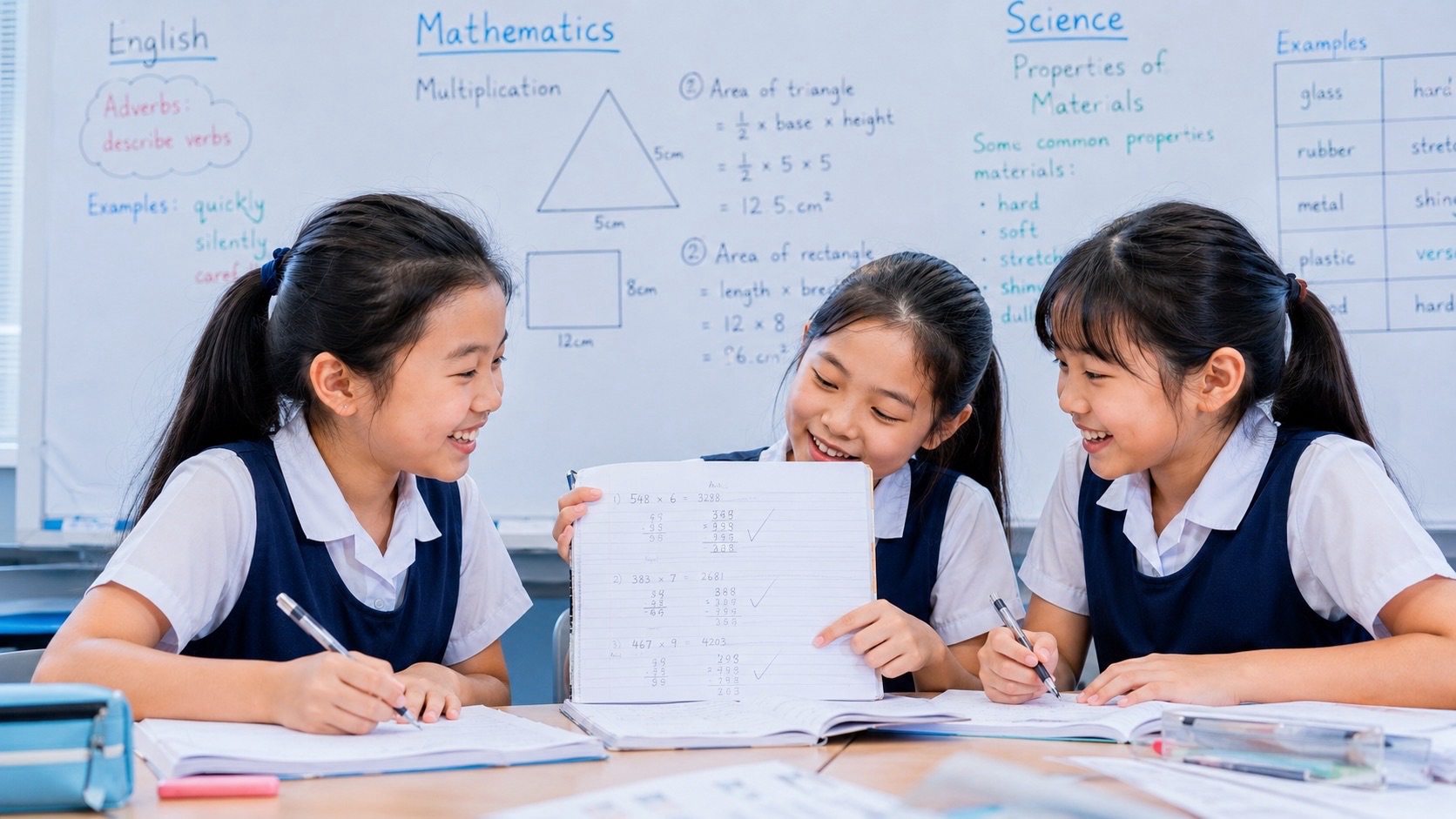
Find 300 Modern Standard Arabic vocabulary entries for children, with 30 different entries for each age group from 1 through 10. The complete word lists come first, with an English meaning and a short example in Arabic for every entry. Use them to name familiar things, share needs, describe feelings, explain choices and later discuss information or evidence.
Important distinction: this is a Modern Standard Arabic (MSA) reading-and-language resource. Families across Arabic-speaking regions often speak different everyday Arabic varieties; the expressions they use at home may differ from these written examples. Use the family’s spoken language naturally, and introduce suitable Standard Arabic words through stories, books and conversation. The age labels are flexible editorial groupings, not required speech, reading or writing milestones.
- Exactly 300 unique listed headword entries: 30 entries for every age from one to ten.
- Clear meanings: each entry is paired with an English gloss and a short Modern Standard Arabic example.
- Scripts and reading: Arabic is presented right-to-left, with short-vowel marks omitted from most sentences as in ordinary adult print.
- Everyday focus: choose a few words relevant to an object, book, conversation or real decision.
- No birthday test: a one-year-old is not expected to speak or read thirty words.
Arabic word lists by age 1–10
Age 1 · Age 2 · Age 3 · Age 4 · Age 5 · Age 6 · Age 7 · Age 8 · Age 9 · Age 10
How to use these words · Arabic language notes · Four-week plan · When a word is difficult · FAQs · References
How to read a row: the bold Arabic word or expression is the headword. Its simple English gloss explains one intended use, not every sense. Some useful expressions, including polite requests, contain more than one written word and count as one practical entry. Verb headwords may be past-tense forms that are changed in other sentences.
Age 1: 30 Arabic words — Family, needs and first familiar things
| No. | Arabic word | English meaning | Everyday Arabic example |
|---|---|---|---|
| 1 | أم | mother | هذه أمي. |
| 2 | أب | father | هذا أبي. |
| 3 | طفل | child | الطفل يلعب. |
| 4 | جدة | grandmother | جدتي تزورنا اليوم. |
| 5 | جد | grandfather | جدي يقرأ قصة. |
| 6 | ماء | water | أريد بعض الماء. |
| 7 | حليب | milk | الحليب في الكوب. |
| 8 | طعام | food | الطعام جاهز. |
| 9 | خبز | bread | الخبز على الطاولة. |
| 10 | كوب | cup | هذا كوبي. |
| 11 | ملعقة | spoon | أحضر ملعقة. |
| 12 | طبق | plate | الطبق نظيف. |
| 13 | كرة | ball | الكرة تتدحرج. |
| 14 | كتاب | book | لنقرأ كتابًا. |
| 15 | سرير | bed | القط على السرير. |
| 16 | باب | door | الباب مفتوح. |
| 17 | يد | hand | أمسك يدي. |
| 18 | قدم | foot | قدمي داخل الحذاء. |
| 19 | عين | eye | للدمية عين زرقاء. |
| 20 | فم | mouth | تفتح الدمية فمها. |
| 21 | أنف | nose | للدمية أنف صغير. |
| 22 | قط | cat | القط نائم. |
| 23 | كلب | dog | الكلب يشرب الماء. |
| 24 | عصفور | bird | العصفور يغرد. |
| 25 | أكل | ate; eating (verb root) | أكل الطفل التفاحة. |
| 26 | شرب | drank; drink (verb root) | شربت البنت الماء. |
| 27 | نام | slept; sleep (verb root) | نام الطفل مبكرًا. |
| 28 | المزيد | more | أريد المزيد. |
| 29 | لا | no; not | لا، شكرًا. |
| 30 | نعم | yes | نعم، لنلعب. |
Try this: Use a toy, cup or family photograph to model one word while responding to the child.
Age 2: 30 Arabic words — Actions, movement and useful requests
| No. | Arabic word | English meaning | Everyday Arabic example |
|---|---|---|---|
| 1 | أنا | I | أنا هنا. |
| 2 | أنت | you | أنت تختار الكتاب. |
| 3 | لي | for me; mine | هذا القلم لي. |
| 4 | هنا | here | تعال هنا. |
| 5 | هناك | there | الكرة هناك. |
| 6 | ذهب | went; go (verb root) | ذهب الطفل إلى الحديقة. |
| 7 | جاء | came; come (verb root) | جاء أبي. |
| 8 | فتح | opened; open (verb root) | فتح الطفل الصندوق. |
| 9 | أغلق | closed; shut (verb root) | أغلق الباب برفق. |
| 10 | صعد | went up; climbed | صعدنا السلم ببطء. |
| 11 | نزل | went down | نزل الطفل عن المقعد. |
| 12 | جلس | sat | جلس الطفل هنا. |
| 13 | وقف | stood; stopped | وقفنا قرب الباب. |
| 14 | مشى | walked | مشى الطفل مع أمه. |
| 15 | ركض | ran | ركض الطفل في الحديقة. |
| 16 | قفز | jumped | قفز الأرنب. |
| 17 | نظر | looked | نظرنا إلى الصورة. |
| 18 | استمع | listened | استمع الطفل إلى القصة. |
| 19 | أعطى | gave | أعطى الولد الكتاب لأخته. |
| 20 | أخذ | took | أخذت البنت الكوب. |
| 21 | مساعدة | help; assistance | أحتاج إلى مساعدة. |
| 22 | انتظر | waited; wait (verb root) | انتظرنا قليلًا. |
| 23 | كبير | big, masculine | هذا صندوق كبير. |
| 24 | صغير | small, masculine | هذا قط صغير. |
| 25 | ساخن | hot, masculine | الحساء ساخن. |
| 26 | بارد | cold, masculine | الماء بارد. |
| 27 | مبلل | wet, masculine | هذا المعطف مبلل. |
| 28 | جاف | dry, masculine | هذا القماش جاف. |
| 29 | حذاء | shoe | أين حذائي؟ |
| 30 | قميص | shirt | قميصي أزرق. |
Try this: Show the action or request before inviting the learner to use it in a real situation.
Age 3: 30 Arabic words — Feelings, time and shared activities
| No. | Arabic word | English meaning | Everyday Arabic example |
|---|---|---|---|
| 1 | سعيد | happy, masculine | أنا سعيد اليوم. |
| 2 | حزين | sad, masculine | الطفل حزين. |
| 3 | غاضب | angry, masculine | هو غاضب الآن. |
| 4 | خائف | afraid, masculine | الطفل خائف من الصوت. |
| 5 | متعب | tired, masculine | أنا متعب بعد المشي. |
| 6 | جائع | hungry, masculine | الولد جائع. |
| 7 | عطشان | thirsty, masculine | أنا عطشان. |
| 8 | هادئ | calm; quiet, masculine | البيت هادئ. |
| 9 | لطيف | kind; gentle, masculine | الجار لطيف. |
| 10 | ناعم | soft; smooth, masculine | هذا القماش ناعم. |
| 11 | صاخب | noisy, masculine | المكان صاخب. |
| 12 | صامت | silent, masculine | الطفل صامت. |
| 13 | سريع | fast, masculine | هذا القطار سريع. |
| 14 | بطيء | slow, masculine | الحلزون بطيء. |
| 15 | فوق | above; on top of | الكتاب فوق الطاولة. |
| 16 | تحت | under | الكرة تحت الكرسي. |
| 17 | داخل | inside | اللعبة داخل الصندوق. |
| 18 | خارج | outside | الدراجة خارج البيت. |
| 19 | أمام | in front of | أنا أمام الباب. |
| 20 | خلف | behind | القط خلف الكرسي. |
| 21 | اليوم | today | اليوم نرسم. |
| 22 | غدًا | tomorrow | غدًا نزور المكتبة. |
| 23 | أمس | yesterday | أمس لعبنا معًا. |
| 24 | صديق | friend | صديقي هنا. |
| 25 | شارك | shared; took part | شارك الطفل ألعابه مع أخيه. |
| 26 | دور | turn; role | الآن دورك. |
| 27 | من فضلك | please | أعطني الكتاب من فضلك. |
| 28 | شكرًا | thank you | شكرًا على المساعدة. |
| 29 | آسف | sorry, masculine | أنا آسف على التأخير. |
| 30 | لعب | played; play (verb root) | لعب الأطفال معًا. |
Try this: Read a story and discuss a character’s feelings without requiring personal disclosure.
Age 4: 30 Arabic words — Comparing, ordering and explaining
| No. | Arabic word | English meaning | Everyday Arabic example |
|---|---|---|---|
| 1 | سبب | cause; reason | ما سبب التأخير؟ |
| 2 | لأن | because | بقينا في البيت لأن الجو ممطر. |
| 3 | أولًا | first | أولًا نغسل أيدينا. |
| 4 | ثم | then | ثم نرتب الألعاب. |
| 5 | أخيرًا | finally | أخيرًا أغلقنا الكتاب. |
| 6 | مماثل | similar; matching, masculine | هذا الشكل مماثل للآخر. |
| 7 | مختلف | different, masculine | هذا اللون مختلف. |
| 8 | كافٍ | sufficient, masculine | هذا المقدار كافٍ. |
| 9 | فارغ | empty, masculine | الكوب فارغ. |
| 10 | ممتلئ | full, masculine | الصندوق ممتلئ. |
| 11 | ثقيل | heavy, masculine | هذه الحقيبة ثقيلة. |
| 12 | خفيف | lightweight, masculine | هذا الصندوق خفيف. |
| 13 | أملس | smooth, masculine | السطح أملس. |
| 14 | خشن | rough, masculine | الجدار خشن. |
| 15 | لين | soft; pliable, masculine | الوسادة لينة. |
| 16 | صلب | hard; solid, masculine | هذا الحجر صلب. |
| 17 | دائري | round; circular, masculine | هذا الغطاء دائري. |
| 18 | مربع | square-shaped, masculine | هذا الشكل مربع. |
| 19 | قريب | near, masculine | الحديقة قريبة. |
| 20 | بعيد | far, masculine | المتجر بعيد. |
| 21 | بين | between | القلم بين كتابين. |
| 22 | اختار | chose; choose (verb root) | اختار الطفل لونًا. |
| 23 | بنى | built | بنى الأطفال برجًا. |
| 24 | أصلح | repaired | أصلحنا اللعبة. |
| 25 | تذكر | remembered | تذكر الطفل اسمه. |
| 26 | نسي | forgot | نسي الطفل قلمه. |
| 27 | سأل | asked | سأل الطفل سؤالًا. |
| 28 | أجاب | answered | أجاب عن السؤال. |
| 29 | شرح | explained | شرح المعلم اللعبة. |
| 30 | قارن | compared | قارن الطفل بين الصورتين. |
Try this: Compare objects and show one clear difference in a sentence.
Age 5: 30 Arabic words — Senses, questions and everyday judgement
| No. | Arabic word | English meaning | Everyday Arabic example |
|---|---|---|---|
| 1 | سؤال | question | لدي سؤال. |
| 2 | جواب | answer | هذا جواب واضح. |
| 3 | وصف | description | اكتب وصفًا للصورة. |
| 4 | رتب | arranged; arrange (verb root) | رتب الطفل كتبه. |
| 5 | عدّ | counted | عدّ الأطفال الكراسي. |
| 6 | قاس | measured | قاس طول الطاولة. |
| 7 | خمّن | guessed | خمّن ما في الصندوق. |
| 8 | لاحظ | noticed | لاحظت لونًا جديدًا. |
| 9 | نمط | pattern | هذا النمط يتكرر. |
| 10 | شكل | shape | ما شكل الورقة؟ |
| 11 | لون | colour | اختر لونًا. |
| 12 | رقم | number; numeral | اكتب الرقم. |
| 13 | حجم | size | ما حجم هذا الصندوق؟ |
| 14 | صوت | sound; voice | سمعت صوتًا خفيفًا. |
| 15 | رائحة | smell | رائحة الخبز جميلة. |
| 16 | مذاق | flavour; taste | أحب هذا المذاق. |
| 17 | ملمس | texture; feel | ملمس القماش مختلف. |
| 18 | دقيقة | minute | انتظر دقيقة. |
| 19 | ساعة | hour; clock | مرت ساعة. |
| 20 | ظهيرة | midday | نلتقي وقت الظهيرة. |
| 21 | مساء | evening | نقرأ في المساء. |
| 22 | ليل | night | نرى النجوم في الليل. |
| 23 | أسبوع | week | هذا الأسبوع مزدحم. |
| 24 | وعد | promise | سأفي بوعدي. |
| 25 | حذر | caution | امش بحذر. |
| 26 | شجاع | brave, masculine | كان شجاعًا حين طلب المساعدة. |
| 27 | صادق | honest, masculine | أعطني جوابًا صادقًا. |
| 28 | عادل | fair; just, masculine | نريد حلًا عادلًا. |
| 29 | فضولي | curious, masculine | الطفل فضولي. |
| 30 | فخور | proud, masculine | أنا فخور بمحاولتي. |
Try this: Choose a household or picture-book scene and describe its shape, sound, timing or order.
Age 6: 30 Arabic words — Stories, mistakes and solving problems
| No. | Arabic word | English meaning | Everyday Arabic example |
|---|---|---|---|
| 1 | مبرر | reason; justification | ما مبرر هذا الاختيار؟ |
| 2 | مثال | example | أعطني مثالًا. |
| 3 | تفصيل | detail | هذا تفصيل مهم. |
| 4 | رئيسي | main; principal, masculine | هذه هي المشكلة الرئيسية. |
| 5 | بدأ | began | بدأنا العمل الآن. |
| 6 | أنهى | finished | أنهى الطفل رسمته. |
| 7 | تسلسل | sequence | رتب الأحداث في تسلسل صحيح. |
| 8 | حدث | event | وقع حدث جديد في القصة. |
| 9 | شخصية | character in a story | هذه شخصية مهمة. |
| 10 | مكان | place; setting | مكان القصة قرية. |
| 11 | مشكلة | problem | لدينا مشكلة صغيرة. |
| 12 | حل | solution | لنبحث عن حل. |
| 13 | خطة | plan | وضعنا خطة. |
| 14 | تحقق | checked; verified | تحقق من الإجابة. |
| 15 | صحيح | correct; true, masculine | هذا جواب صحيح. |
| 16 | خطأ | mistake; error | وجدت خطأ. |
| 17 | تدرّب | practised | تدرّب الطفل على القراءة. |
| 18 | تحسّن | improved | تحسّن أداؤه. |
| 19 | جهد | effort | أقدّر جهدك. |
| 20 | صبر | patience | نحتاج إلى صبر. |
| 21 | اهتمام | interest; attention | لدي اهتمام بالموضوع. |
| 22 | خيبة | disappointment | شعر بخيبة بعد الإلغاء. |
| 23 | قلق | worry; anxiety | أشعر ببعض القلق. |
| 24 | راحة | rest; comfort | نحتاج إلى راحة. |
| 25 | سلامة | safety | السلامة أولًا. |
| 26 | خاص | private; personal, masculine | هذا خطاب خاص. |
| 27 | إذن | permission | اطلب الإذن أولًا. |
| 28 | احترام | respect | عامل الجميع باحترام. |
| 29 | تعاون | cooperation | التعاون مفيد. |
| 30 | قرار | decision | اتخذنا قرارًا. |
Try this: Retell a short event or describe a small problem and its possible solution.
Age 7: 30 Arabic words — Observation, quantities and spatial language
| No. | Arabic word | English meaning | Everyday Arabic example |
|---|---|---|---|
| 1 | توقع | predicted | توقع الطفل النتيجة. |
| 2 | راقب | observed | راقبنا تغير الظل. |
| 3 | سجل | recorded | سجل القياسات. |
| 4 | نتيجة | result | النتيجة مختلفة. |
| 5 | عامل | contributing factor | قد يكون هذا عاملًا مؤثرًا. |
| 6 | تأثير | effect; influence | للتغيير تأثير واضح. |
| 7 | تغير | change | لاحظنا تغيرًا صغيرًا. |
| 8 | واصل | continued | واصل العمل بهدوء. |
| 9 | أدرج | included | أدرج مثالًا آخر. |
| 10 | استبعد | excluded | استبعدنا الأدوات المكسورة. |
| 11 | مجموعة | group | كوّن مجموعة صغيرة. |
| 12 | فئة | category | ضع الأشياء في فئة واحدة. |
| 13 | مادة | material | ما مادة هذا الصندوق؟ |
| 14 | شيء | thing; object | صف هذا الشيء. |
| 15 | سطح | surface | سطح الطاولة أملس. |
| 16 | مسافة | distance | قس المسافة بين العلامتين. |
| 17 | اتجاه | direction | يشير السهم إلى الاتجاه. |
| 18 | موضع | position | حدد موضع الكتاب. |
| 19 | يسار | left | انعطف إلى اليسار. |
| 20 | يمين | right | انظر إلى اليمين. |
| 21 | مستقيم | straight, masculine | هذا خط مستقيم. |
| 22 | منحني | curved, masculine | هذا طريق منحني. |
| 23 | متساوٍ | equal | الجزآن متساويان. |
| 24 | أقل | less; fewer | نحتاج إلى كراسٍ أقل. |
| 25 | أكثر | more; greater | هذه الكمية أكثر. |
| 26 | مجموع | sum; total | المجموع اثنا عشر. |
| 27 | نصف | half | لون نصف الشكل. |
| 28 | ربع | quarter | لون ربع الشكل. |
| 29 | أعار | lent | أعار صديقه قلمًا. |
| 30 | أعاد | returned | أعاد الكتاب إلى المكتبة. |
Try this: Observe something that changes, and record only what can actually be seen.
Age 8: 30 Arabic words — Evidence, possibilities and decisions
| No. | Arabic word | English meaning | Everyday Arabic example |
|---|---|---|---|
| 1 | دليل | evidence; proof | نحتاج إلى دليل. |
| 2 | رأي | opinion | هذا رأيي. |
| 3 | حقيقة | fact; truth | لنتحقق من هذه الحقيقة. |
| 4 | مصدر | source | ما مصدر الخبر؟ |
| 5 | غاية | purpose; goal | غاية الرسالة التوضيح. |
| 6 | جمهور | audience | الجمهور يحتاج إلى شرح. |
| 7 | رسالة | message | توضح الرسالة موعد اللقاء. |
| 8 | ملخص | summary | اكتب ملخصًا قصيرًا. |
| 9 | ربط | connection; linking | هناك ربط بين الفكرتين. |
| 10 | تناقض | contradiction | يوجد تناقض بين الجملتين. |
| 11 | مشابه | similar, masculine | الرسمان متشابهان في الشكل. |
| 12 | عكس | opposite | الكلمتان تعبران عن عكس المعنى. |
| 13 | دقيق | precise, masculine | أحتاج إلى وصف دقيق. |
| 14 | تقدير | estimate | هذا تقدير تقريبي. |
| 15 | متوسط | average | متوسط العددين أربعة وستة هو خمسة. |
| 16 | ممكن | possible | هذا ممكن. |
| 17 | مستحيل | impossible | هذا مستحيل في هذه الظروف. |
| 18 | يقين | certainty | ليس لدينا يقين بعد. |
| 19 | شك | doubt | لدي شك في هذا الادعاء. |
| 20 | مرجح | likely, masculine | هذا احتمال مرجح. |
| 21 | مستبعد | unlikely, masculine | هذا أمر مستبعد. |
| 22 | منفعة | benefit | ما منفعة هذه الخطة؟ |
| 23 | مخاطرة | risk | فكر في المخاطرة. |
| 24 | بديل | alternative | هناك بديل آخر. |
| 25 | عاقبة | consequence | لكل قرار عاقبة. |
| 26 | مسؤولية | responsibility | هذه مسؤوليتي. |
| 27 | اتفاق | agreement | توصلنا إلى اتفاق. |
| 28 | التزام | commitment | سأحترم التزامي. |
| 29 | تعاطف | empathy | يساعد التعاطف على الفهم. |
| 30 | إنصاف | fairness; equity | الإنصاف يراعي الاحتياجات. |
Try this: Compare a checkable fact with a personal opinion; look for evidence and sources.
Age 9: 30 Arabic words — Reasoning, conversation and personal boundaries
| No. | Arabic word | English meaning | Everyday Arabic example |
|---|---|---|---|
| 1 | استنتج | inferred; drew a conclusion | استنتج من الأدلة ما حدث. |
| 2 | برر | justified | برر اختيارك. |
| 3 | فسر | interpreted; explained | فسر الرسم البياني. |
| 4 | سياق | context | السياق يوضح المعنى. |
| 5 | ذو صلة | relevant | هذا التفصيل ذو صلة بالسؤال. |
| 6 | غير ذي صلة | irrelevant | هذا التفصيل غير ذي صلة بالسؤال. |
| 7 | موثوق | reliable, masculine | ابحث عن مصدر موثوق. |
| 8 | دقّق | checked carefully | دقّق في المعلومات. |
| 9 | صحح | corrected | صحح النص. |
| 10 | نظم | organised | نظم أفكارك. |
| 11 | أولوية | priority | السلامة أولوية. |
| 12 | استراتيجية | strategy | جرب استراتيجية مختلفة. |
| 13 | خيار آخر | another option | فكر في خيار آخر. |
| 14 | منظور | perspective | استمع إلى منظور مختلف. |
| 15 | افتراض | assumption | هذا مجرد افتراض. |
| 16 | استنتاج | inference; conclusion | اشرح استنتاجك. |
| 17 | أظهر | demonstrated; showed | أظهر كيف تعمل اللعبة. |
| 18 | قيّم | evaluated | قيّم جودة المشروع. |
| 19 | فعال | effective, masculine | هذا حل فعال. |
| 20 | مرن | flexible, masculine | نحتاج إلى جدول مرن. |
| 21 | مثابر | persistent, masculine | كان مثابرًا رغم الصعوبة. |
| 22 | مراعٍ | considerate; mindful | كن مراعيًا لمشاعر الآخرين. |
| 23 | أقنع | persuaded | أقنعني بأسباب واضحة. |
| 24 | نفوذ | influence | للإعلان نفوذ على بعض الاختيارات. |
| 25 | موافقة | consent; agreement | اطلب الموافقة قبل نشر الصورة. |
| 26 | حدود | boundaries; limits | احترم حدود الآخرين. |
| 27 | خصوصية | privacy | احترم خصوصية الآخرين. |
| 28 | رفض | refused; rejection | يمكنك رفض الطلب. |
| 29 | ثقة | trust | الثقة تحتاج إلى وقت. |
| 30 | حوار | dialogue | لنبدأ حوارًا هادئًا. |
Try this: Practise a polite request, a disagreement and the right to refuse or ask for help.
Age 10: 30 Arabic words — Analysis, responsibility and broader concepts
| No. | Arabic word | English meaning | Everyday Arabic example |
|---|---|---|---|
| 1 | تحليل | analysis | أجرِ تحليلًا بسيطًا للبيانات. |
| 2 | ميّز | distinguished | ميّز الحقائق من الآراء. |
| 3 | معيار | criterion; standard | اختر معيارًا واضحًا. |
| 4 | موضوعي | objective; unbiased, masculine | نحتاج إلى وصف موضوعي. |
| 5 | ذاتي | subjective; personal, masculine | هذا حكم ذاتي. |
| 6 | دلالة | implication; significance | ما دلالة هذا التغيير؟ |
| 7 | تحيز | bias | قد يؤثر التحيز في الحكم. |
| 8 | نسبة | ratio; proportion | قارن النسبة بين المجموعتين. |
| 9 | متغير | variable | غير متغيرًا واحدًا فقط. |
| 10 | علاقة | relationship | ادرس العلاقة بين القيم. |
| 11 | مبدأ | principle | الصدق مبدأ مهم. |
| 12 | استثناء | exception | هل هناك استثناء؟ |
| 13 | فرضية | hypothesis | اختبر فرضيتك. |
| 14 | قيد | constraint; limitation | هذا قيد على الخطة. |
| 15 | ارتباط | correlation; association | الارتباط لا يثبت السببية. |
| 16 | نزاهة | integrity | أظهرت نزاهة في عملها. |
| 17 | مساءلة | accountability | المساءلة تتطلب شرح القرارات. |
| 18 | مرونة | flexibility; adaptability | نحتاج إلى مرونة. |
| 19 | مبادرة | initiative | اتخذ مبادرة للمساعدة. |
| 20 | واسع الحيلة | resourceful | وجد الطفل واسع الحيلة حلًا. |
| 21 | مستدام | sustainable, masculine | نبحث عن حل مستدام. |
| 22 | تنوع | diversity | يساعد التنوع على تبادل الأفكار. |
| 23 | إدماج | inclusion | الإدماج يفتح باب المشاركة. |
| 24 | عدم اليقين | uncertainty | اشرح سبب عدم اليقين. |
| 25 | احتمال | probability; possibility | يمكن حساب الاحتمال. |
| 26 | شفافية | transparency | الشفافية تجعل القرار مفهومًا. |
| 27 | رحمة | compassion | عامل الآخرين برحمة. |
| 28 | استقلال | independence | الاستقلال ينمو مع الخبرة. |
| 29 | اعتماد متبادل | interdependence | بين أفراد الفريق اعتماد متبادل. |
| 30 | تفكير نقدي | critical thinking | يتطلب التفكير النقدي أدلة. |
Try this: Evaluate a simple project by its criteria, limits, evidence and consequences.
How to introduce useful Arabic vocabulary without turning play into a test
Start with something the learner is doing or trying to communicate. In a picture book, كتاب (book) and كرة (ball) can be named while pointing together. A child asking for help needs the idea expressed as مساعدة (assistance), or through the more natural spoken expression the family uses. Older learners can explore a claim using مصدر (source), دليل (evidence) and رأي (opinion).
Name a word in context, respond to the child’s communication, use the word again and let the learner try in a new situation. A toddler’s response may be pointing or smiling. A school-age child may read the sentence aloud, make a different one, or explain the same idea in a household variety before connecting it to MSA. Do not withhold comfort, drink or help until a word is repeated.
Begin with a contrast that can be observed
Show an empty cup and a full cup for فارغ and ممتلئ. Introduce a partly filled cup and ask what changed. For older children, compare حقيقة and رأي in a short passage. The aim is a more precise distinction, not a longer list of unfamiliar terms.
Make the next task manageable
eduKate’s Fencing Method can be adapted as a practical sequence: encounter a meaning, compare a non-example, use one natural phrase, make a complete sentence, then revisit it after a delay or in a different context. This is an editorial teaching method, not an official Arabic curriculum or a universal child-development scale.
Arabic language notes that parents need before teaching from a list
Standard Arabic and spoken varieties differ. This list uses MSA—the language common in formal reading, education and much written media—rather than Egyptian, Levantine, Gulf, Maghrebi or any other individual everyday variety. In many homes, a child’s first spoken vocabulary differs from MSA forms. A 2025 systematic review of Arabic diglossia in learning discusses this coexistence and the importance of age-appropriate exposure to Standard Arabic. A language list must not be used to judge a child’s ability in their home variety.
Arabic is written from right to left. The script ordinarily omits most short-vowel marks outside learning material. Beginners can benefit from picture books, audio and fully vowelled examples chosen by a fluent speaker. An unvowelled word may have multiple readings, and a crude Latin spelling may hide important sound distinctions. This page therefore prioritises the original Arabic script and meaning in context.
Gender and verb forms change. Many adjectives shown as masculine, such as صغير, have a feminine form, such as صغيرة. Verbs such as ذهب are shown in a common third-person past form but change with subject and time. Teach the whole utterance rather than assuming that replacing a single English word creates a grammatical Arabic sentence.
Use a dictionary for uncertain expressions. A parent can compare examples with an Arabic dictionary and a reliable speaker, especially for dialect differences and word forms. The NYU Arabic dictionaries and dialects guide identifies useful Arabic language references, while the Qatar National Library lists the Doha Historical Dictionary as a lexical resource. Those sources do not certify this particular age grouping.
A flexible four-week vocabulary plan
| Week | Small activity | What to notice |
|---|---|---|
| 1 | Choose two to five words for a familiar routine or picture book. Name the real things and respond. | Does the child understand the idea in that setting? |
| 2 | Reuse the same words in a second book or activity. Connect household expressions to MSA only when helpful. | Does the concept carry into another situation? |
| 3 | Invite a choice, brief description or short sentence; supply a model if needed. | What can the child do without copying? |
| 4 | Review useful words and explore one precise distinction; let current interests determine the next group. | Can a word be used meaningfully in a different context? |
The numbers are examples of manageable choices, not quotas. Keep reading, conversation, other home languages and enjoyable play central to the process. A family should not expect to cover 300 words in four weeks.
When an Arabic word does not stick
The child knows a home-dialect word but not the MSA form: recognise what the child already understands, then provide the MSA equivalent in a story or reading context. The child reads the consonants but guesses the vowels incorrectly: consult a vowelled or audio model rather than inventing a pronunciation. The child understands but cannot produce a sentence: model a short example and change just one detail at a time. The family mixes languages: accept the message and continue; multilingual mixing is not by itself a sign of delay.
Questions parents ask about 300 Arabic words
Should a one-year-old speak the first thirty Standard Arabic words?
No. These are adult modelling opportunities, not expressive vocabulary targets. A young child may hear a household Arabic variety rather than MSA in everyday life.
Are these the 300 most frequent Arabic words?
No. This is an editorial selection, arranged in ten practical themes and age-labelled sections. It is not a measured corpus frequency list, developmental assessment or official syllabus.
Which Arabic is used here?
Modern Standard Arabic. Spoken varieties vary across regions and families. A child may have strong communication skills in a home variety without yet knowing many Standard Arabic reading forms.
Can a ten-year-old beginner start with the first list?
Yes. Keep the vocabulary but use suitable activities for that age, such as recipes, short stories, travel plans or everyday messages.
Is transliteration necessary?
It may help some learners as an extra support, but a reliable Arabic pronunciation model is more important than guessing sounds from Latin letters. The tables use Arabic script and recommend audio for uncertain readings.
Can Arabic grow alongside other family languages?
Yes. ASHA explains that multilingualism alone does not cause language delay. Use meaningful communication in the languages your family knows.
Will completing the list guarantee reading success?
No. Reading Arabic also involves letter recognition, sound patterns, grammar, comprehension and practice. This page supplies useful vocabulary encounters, not a guaranteed outcome.
Sources and further reading
The selected words, meanings, sentences and age allocations are original editorial resources. The references below support language-background distinctions or general interaction guidance; they are not endorsements of the age lists.
- 2025 systematic review: Teaching and learning in the context of Arabic diglossia — Standard and spoken variety considerations.
- NYU: Arabic Language Learning—Dictionaries and Dialects — vocabulary checking resources.
- UNICEF: Playtime, anytime! — responsive interaction and meaningful routines.
- ASHA: Learning More Than One Language — multilingual families.
Other 300-word vocabulary guides
- English: 300 vocabulary words for ages 1–10
- Mandarin Chinese: 300 vocabulary words for ages 1–10
- Malay: 300 vocabulary words for ages 1–10
- Tamil: 300 vocabulary words for ages 1–10
- Spanish: 300 vocabulary words for ages 1–10
- French: 300 vocabulary words for ages 1–10
- Hindi: 300 vocabulary words for ages 1–10
eduKate Vocabulary Learning System · eduKateSG Vocabulary Learning Hub
Your next useful step
Choose one expression a reader or child needs for a real situation today. Establish its meaning, use an appropriate model, and return to it when a new context makes it relevant.