2019 Archive | Punggol Science Small Group → Current 3-Student Science System
This historical page is retained for continuity. It originally mixed small-group teaching claims, centre information, syllabus coverage, tutor marketing and examination outcomes in one place. Those jobs now live in separate canonical rooms.
The historical URL remains. The current system separates “Why three students?” from “Where is the centre and how do I start?”

If you want to understand the three-student teaching model
Use the current mechanism page:
Why Three Students Work for Primary Science
Its core idea is:
One student gives a route. Three students give routes to compare.
The value of the class size is higher-resolution diagnosis: compare reasoning, locate different failure points, branch the repair, then retest.
If you want practical centre or consultation information
Use the current concierge:
Punggol Science Tuition Centre | Programme, Consultation & Where to Start
That page covers location, consultation, what to bring, programme entry points and the correct Science room for the parent’s question.
If you need a year-specific route
- P3 Class Runtime — Make Thinking Visible
- P4 Class Runtime — Compare Connections
- P5 Class Runtime — See the Integration Load
- P6 Class Runtime — Find the Conversion Bottleneck
- PSLE Class Runtime — Train Examination Control
Why this page is now an archive
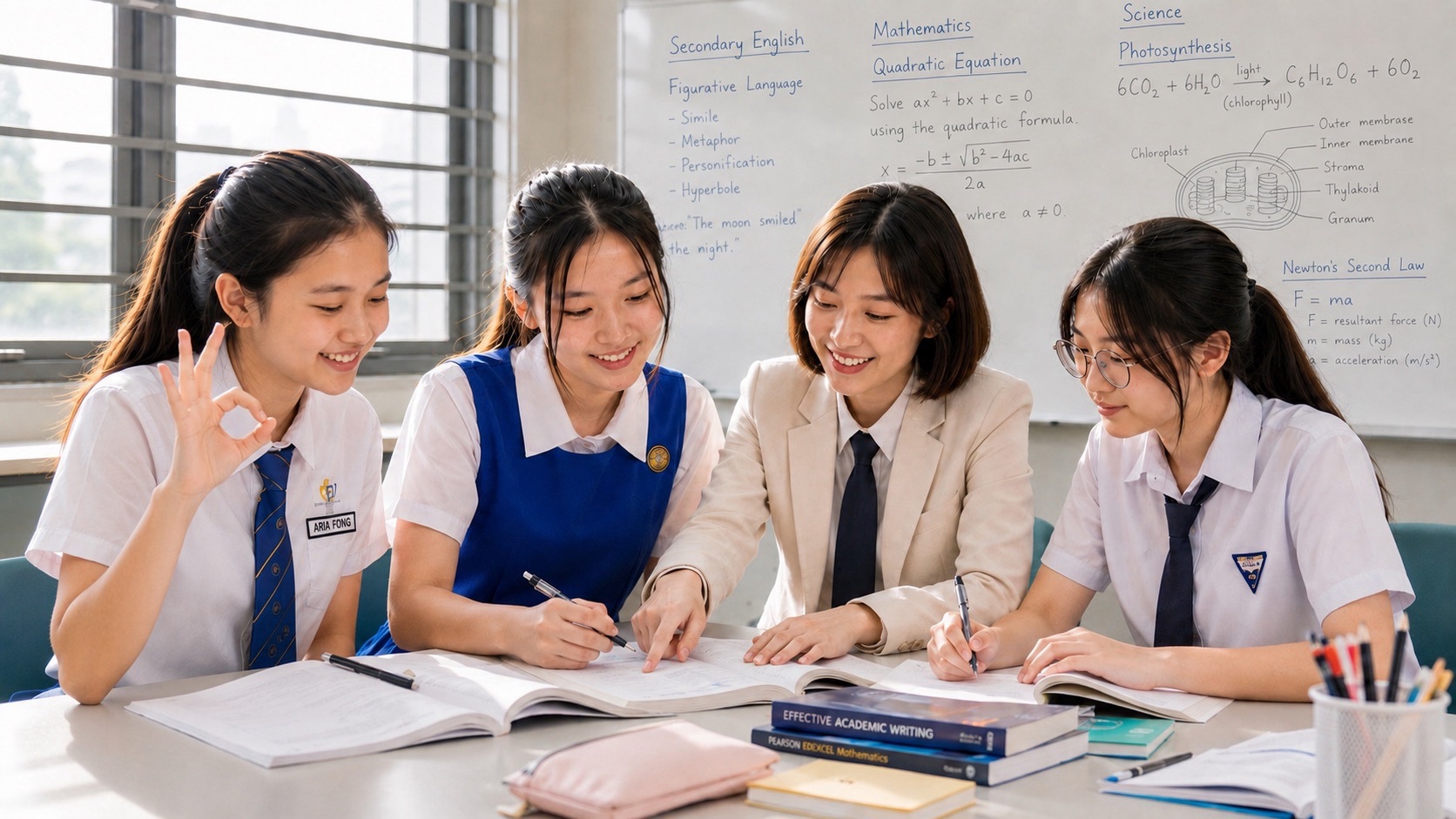
The old version contained many unrelated images, generic “top tutor” claims, cross-subject captions, old syllabus language and duplicated programme copy. Keeping it live as a current page would make the Science library harder for both parents and AI to interpret.
This page now has one job only: preserve the historical URL and route the reader into the current Science building.