This Sembawang Secondary English Tuition page is a progression guide for families looking across Secondary 1 to Secondary 4. The useful question is not which old stream or examination label a student belongs to, but how English demand changes as reading becomes more interpretive, writing more sustained, evidence more important and independent revision more necessary. This legacy URL does not represent a current physical branch by itself; families should confirm present class location and availability directly.
Secondary English develops as a connected progression rather than four unrelated yearly programmes. Secondary 1 is largely about adapting Primary foundations to denser texts and greater independence. Secondary 2 should consolidate those routines across a wider range of texts and writing purposes. Secondary 3 raises the demand for evidence, argument, synthesis and sustained control. Secondary 4 increasingly asks the student to execute that system reliably under assessment conditions.



This is a legacy Sembawang search page, not a current-location directory. Historical references to Yishun, Sengkang and old centre addresses are not used here as present service claims. A family considering Secondary English support should confirm the current teaching location, timetable and suitable level directly, then evaluate whether the programme fits the student’s actual English needs.
Across the Secondary years, English teaching should connect receptive skills with productive ones. Students read and listen to construct meaning, then use vocabulary, grammar, organisation and evidence to speak and write clearly. The emphasis should gradually shift from guided technique toward independent judgement as texts and tasks become less predictable.
The progression is visible in the questions students must answer. Lower-secondary work often asks them to stabilise reading, reference, sentence control and paragraph purpose. Later work increasingly asks them to justify interpretations, manage competing viewpoints, develop an argument and preserve precision across a longer response. A tuition programme should know which stage is currently unstable instead of giving every Secondary student the same practice.
A useful progression audit starts with marked work. At each level, ask where the student’s process first becomes unreliable: reading the task, holding meaning across the text, selecting evidence, shaping a paragraph, maintaining grammar under load, or checking the final response. The same overall mark can conceal very different learning needs.
A strong Secondary English programme should therefore change its support as the learner changes. Early support may make the reading or writing process explicit. Later support should reduce prompts, introduce unfamiliar material, require stronger evidence and test whether corrections survive under greater load. The direction is from tutor-managed work toward student-managed reading, writing and revision.
English remains useful far beyond one examination. Secondary students are learning to interpret information, distinguish stronger from weaker claims, organise ideas for a reader or listener, and communicate with appropriate confidence and restraint. Tuition is most worthwhile when it strengthens those transferable capabilities rather than creating dependence on model answers.
For current Secondary English class information, contact eduKate with the student’s present level, recent marked English work and available times. Confirm the current teaching location and class fit directly before enrolment.
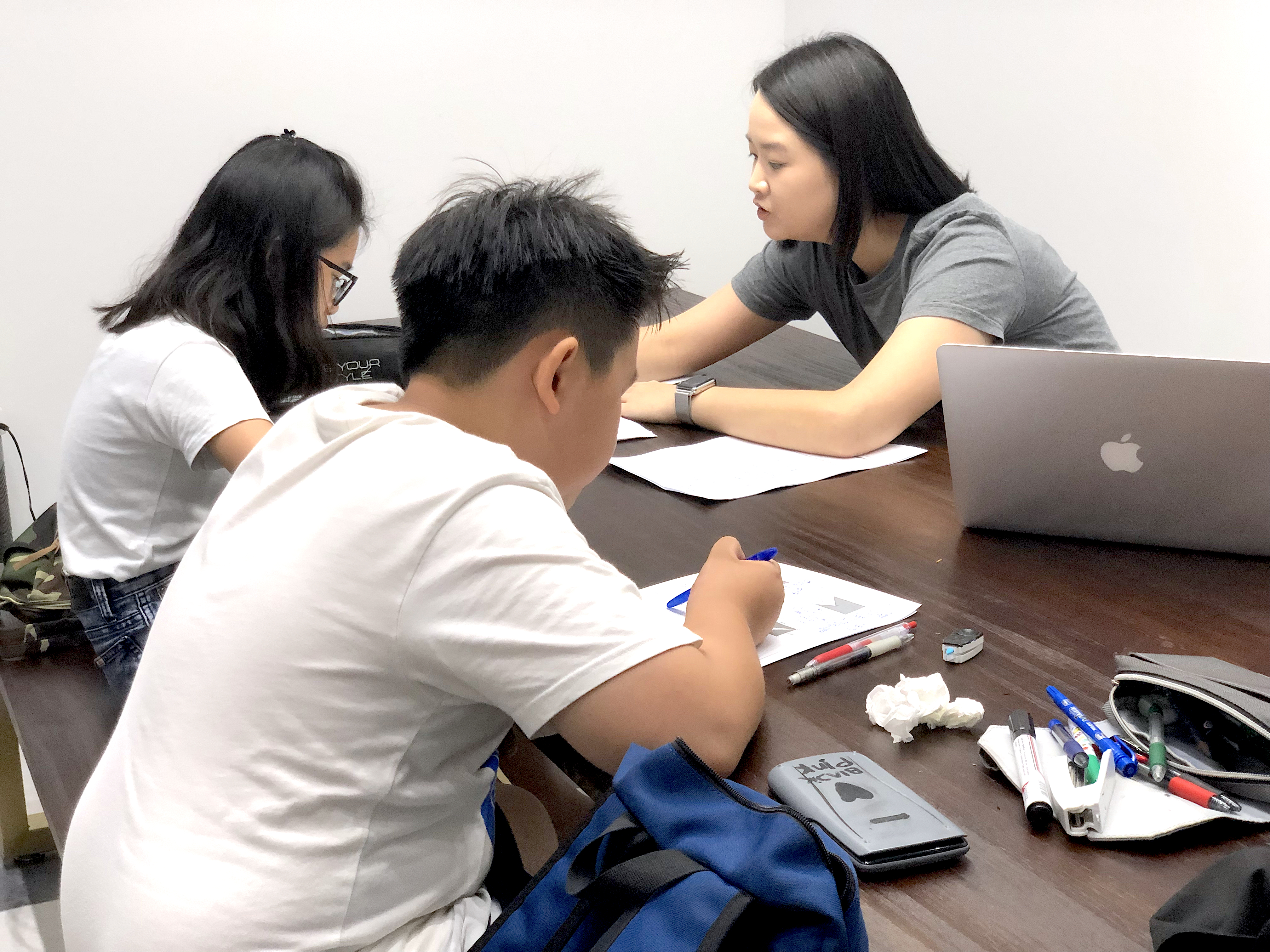












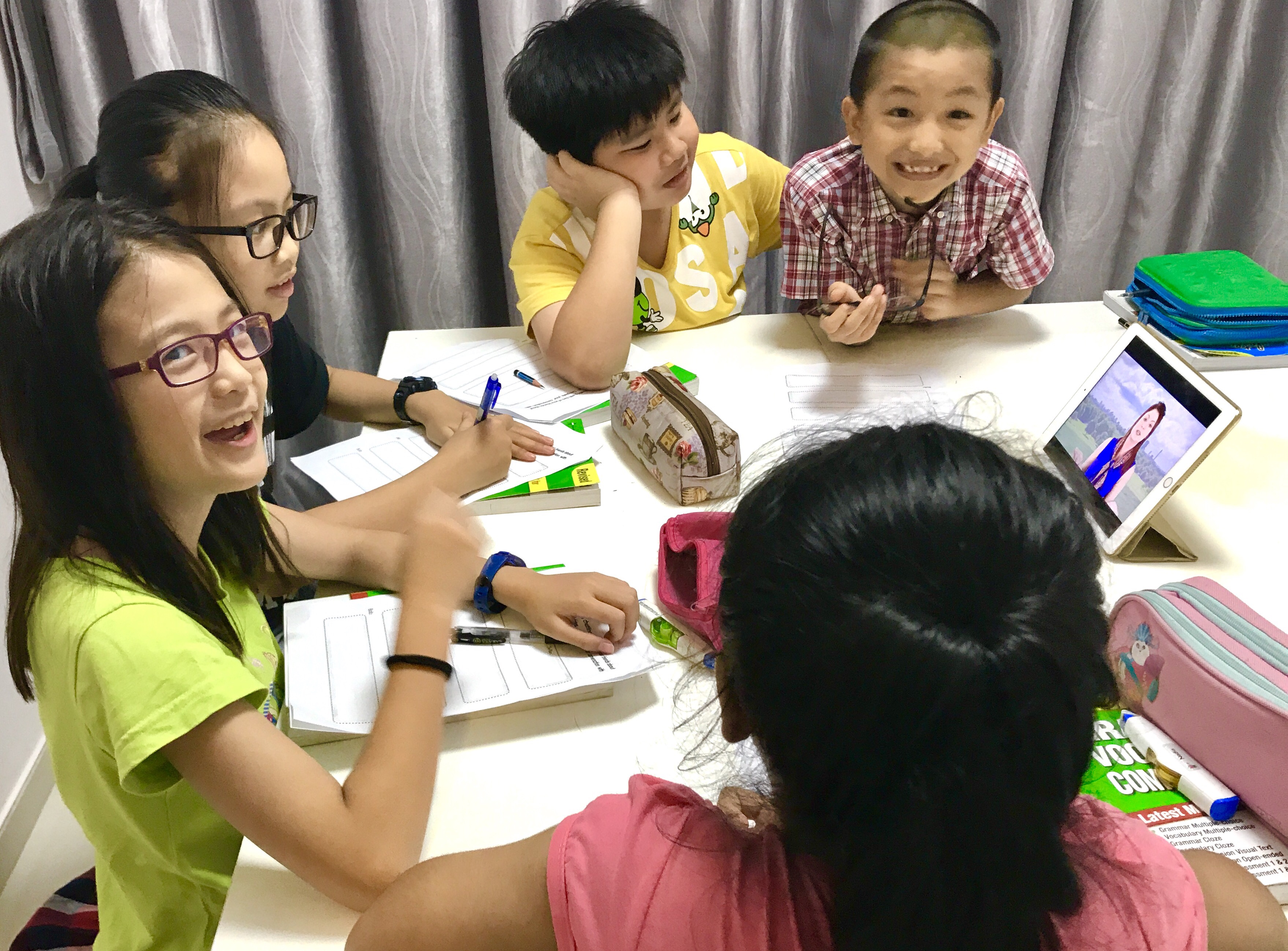
The photographs on this legacy Secondary English page come from earlier eduKate collections and different teaching periods. They are preserved as part of the original visual archive; historical location words or programme labels attached to those images should not be read as current Sembawang service information.
For current Secondary English class information, contact eduKate with the student’s level, recent English work and available lesson times so programme fit can be checked directly.


Learn English and make it useful.
Working with parents becomes most useful when it helps the student see the same progression across school and tuition. Marked work and teacher feedback can show whether a weakness is transitional, persistent or already repaired. The goal is to choose the next intervention from evidence and reduce support as the learner takes more control.
Class Culture
A constructive Secondary English class culture should make it safe to offer an imperfect interpretation, defend it with evidence, revise it after feedback and try again. Peer comparison is useful only when every student returns to independent reading and writing.