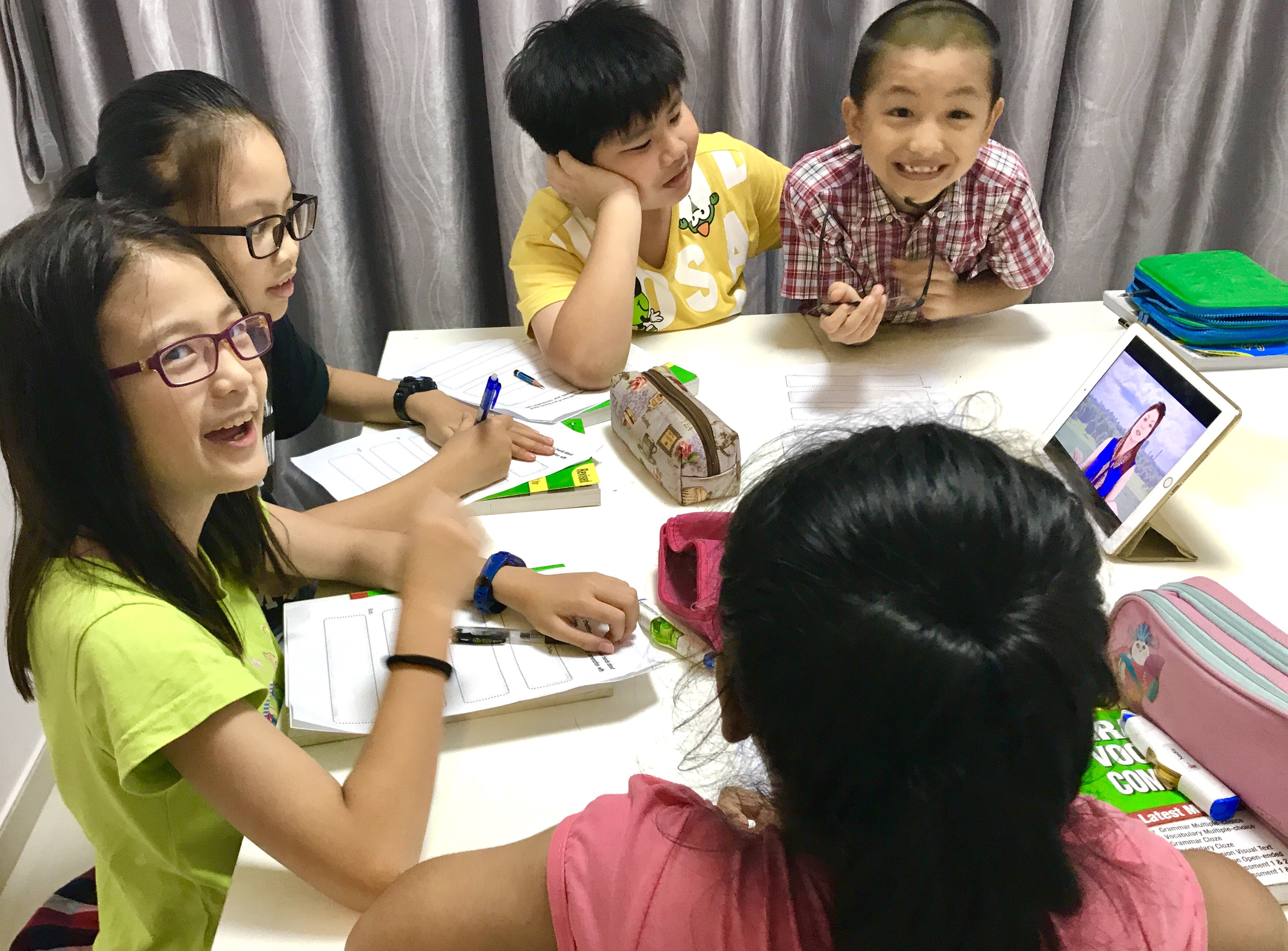
This Secondary 1 English Tuition Sembawang page is a transition diagnostic for the move from Primary 6 into lower-secondary English. The first question is not whether the student has suddenly become “weak”, but which Primary-school capabilities transferred successfully and which became unstable when texts, writing, workload and independence changed. This legacy URL should not be read as a current physical-branch claim; confirm present class location and availability directly.
The first term is best treated as an adaptation window. Watch how the student enters unfamiliar tasks, holds meaning across longer passages, converts evidence into complete answers, develops paragraphs and uses feedback without being reminded. One early mark is less informative than a repeated pattern across several pieces of schoolwork.



This is a legacy Sembawang search URL, not a current-location directory. Historical Yishun, Sengkang and old-centre references are not current service claims. Families should confirm the present teaching location, timetable and class suitability directly before making a travel or enrolment decision.
Reading is often where the transition first becomes visible. The student must hold meaning across longer passages, track reference, recognise shifts in viewpoint and distinguish what the text states from what it reasonably implies. If reading fluency remains strong but answers weaken, the issue may be interpretation or evidence rather than basic decoding.
Writing can reveal a different transition. A student may have reasonable ideas but struggle to organise them into paragraphs with clear jobs, or known grammar may become unreliable while attention is divided among purpose, audience, ideas and time. The repair should target that coordination problem rather than simply demand more sophisticated vocabulary.
A useful Secondary 1 diagnosis starts with marked schoolwork. Look for the first recurring weak link: misunderstanding the task, losing the thread of the text, choosing weak evidence, writing a vague answer, giving a paragraph no clear job or repeating the same correction later. Different causes require different repairs.
The transition is becoming secure when the student can use feedback on changed material. A corrected inference should survive a different passage; a paragraph method should survive a different topic; a grammar repair should remain available while the student is also managing ideas. That transfer matters more than perfect performance immediately after a tutor explains the answer.
Not every Secondary 1 student needs additional tuition. If the learner is understanding lessons, completing work independently, responding to school feedback and adapting steadily across several weeks, extra tuition may simply add load. Support becomes more useful when the same weak link persists and the student cannot yet repair it through the normal school environment.
For current Secondary 1 English class information, contact eduKate with recent marked work, the student’s present school level and available times. Confirm the current teaching location and class fit directly before enrolment.
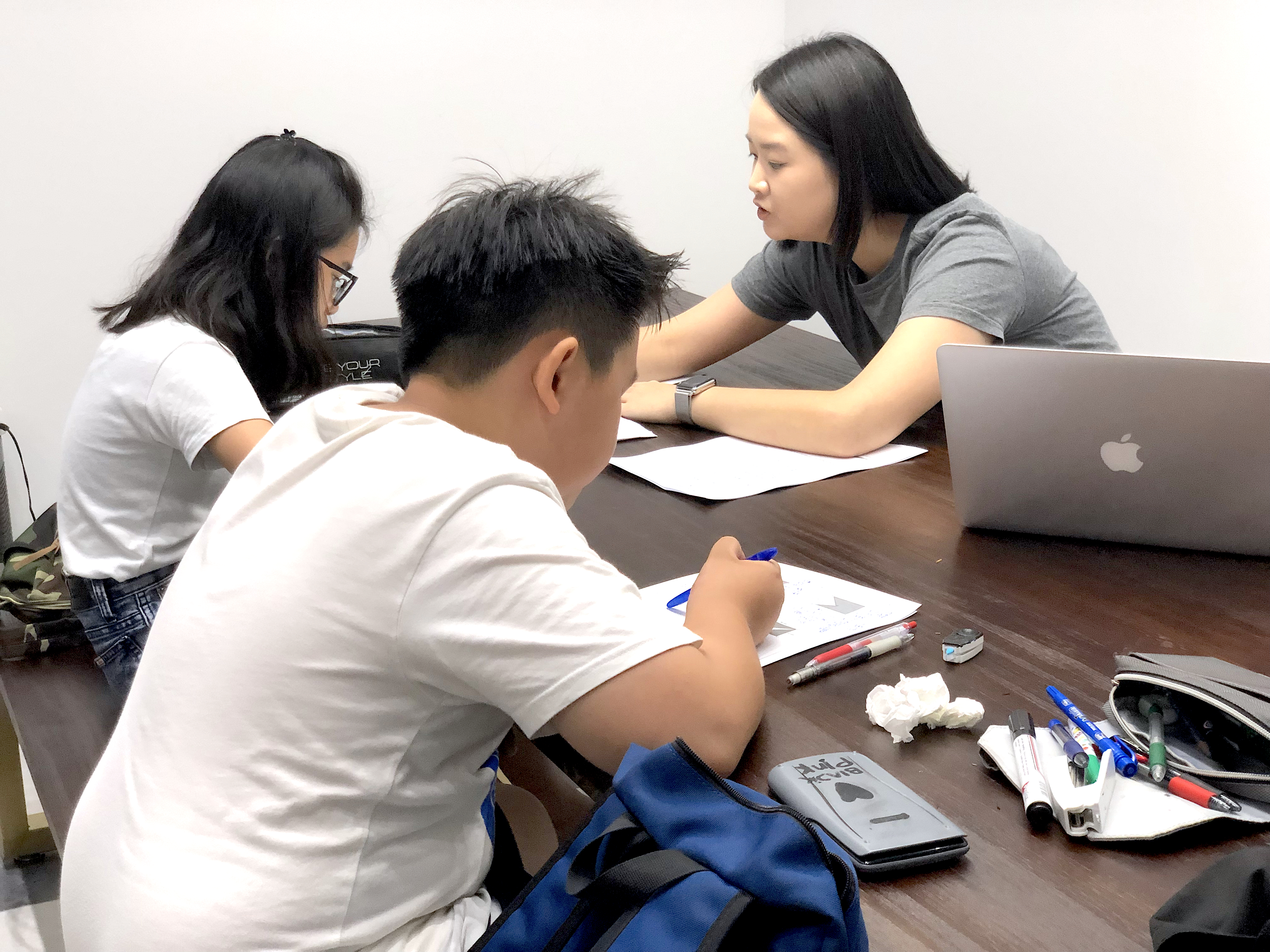









The photographs on this legacy Secondary 1 page come from earlier eduKate collections and different teaching periods. They are retained as part of the original visual history; old location words or programme labels attached to the images should not be treated as current Sembawang class information.
For current Secondary 1 English class information, contact eduKate with the student’s level, recent English work and available lesson times so the present programme fit can be checked directly.


Learn English and make it useful.
Parents can support the Secondary 1 transition by watching whether school feedback is being understood and reused rather than by supplying answers. Recent papers and teacher comments help show whether a difficulty is temporary adjustment or a repeatable weak link. The useful goal is a student who increasingly recognises the task, starts independently and knows what to check after finishing.
Class Culture
A constructive Secondary 1 class culture should make it safe to show incomplete thinking, ask for clarification, compare two plausible answers and revise after feedback. Peer discussion is useful only when it returns to independent output so that the student’s own transition remains visible.