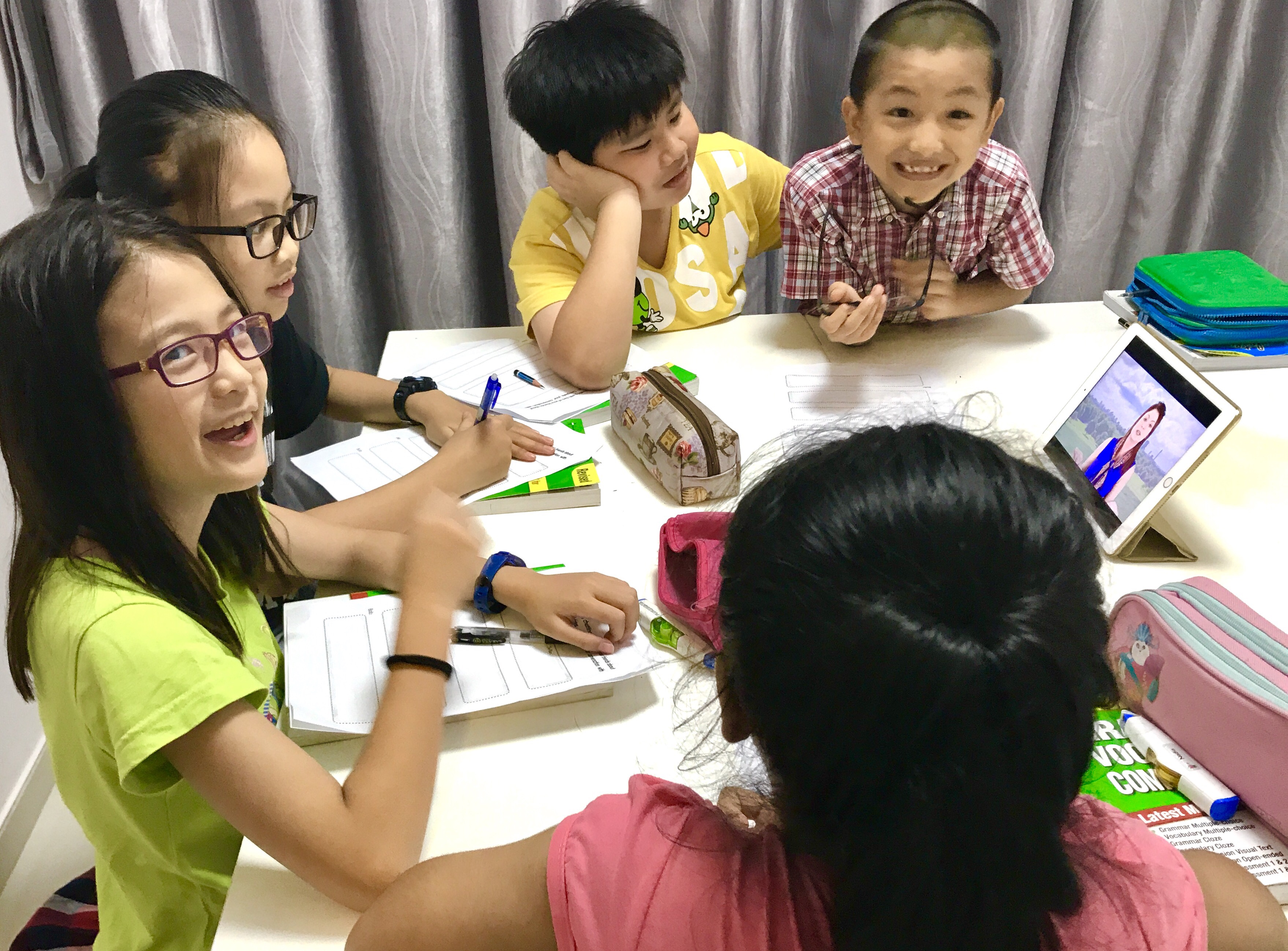
This Sembawang English Tuition page now serves as a practical parent guide for families comparing English support across Primary and Secondary levels. The useful starting point is not an old location label or examination slogan, but the student’s current schoolwork: reading, comprehension, writing, grammar, oral communication and the ability to apply feedback independently. eduKate uses small-group teaching of up to three students where suitable; current class availability and teaching location should be confirmed directly rather than inferred from this legacy 2019 URL.
Useful English support begins by locating the student’s first repeatable weak link. A low mark may come from reading load, weak inference, incomplete answers, paragraph development, grammar under writing load, oral organisation or poor transfer of feedback. The teaching response should match that evidence instead of treating every difficulty as a need for more worksheets.



This is a legacy Sembawang search page and should not be read as evidence of a current physical branch in Yishun, Sengkang or Sembawang. Historical address references on the old page are no longer used as current service claims. Families should confirm the present teaching location, timetable, class level and availability directly before making a travel or enrolment decision.
English teaching is most useful when receptive and productive skills are connected. Students need to construct meaning while reading and listening, then express that meaning accurately through speaking, writing and representation. Vocabulary, grammar and sentence control support that movement; they are not separate goals that matter only inside isolated exercises.
English also carries learning across the curriculum. Students use it to interpret instructions, follow explanations, compare evidence and make their own reasoning visible in other subjects. That makes precision important: the aim is not ornate language, but language that preserves meaning reliably as tasks become more complex.
In a high-resolution English lesson, the tutor observes how the student reaches an answer rather than judging only the finished page. A useful diagnosis separates missing knowledge from weak retrieval, transfer, organisation, timing or confidence. This prevents a student with one specific bottleneck from being treated as though the whole subject is weak.
The lesson should move from evidence to action: inspect the student’s work, identify the earliest useful breakdown, explain the language relationship, let the student reconstruct the response, then change the task and check whether the repair survives. Progress is stronger when the student can carry the improvement back into ordinary schoolwork without continuous prompting.
The long-term purpose of English tuition is usable language: the ability to understand increasingly demanding material, organise a response for a real audience, communicate with appropriate precision and revise independently. Examination performance matters, but the stronger outcome is a learner whose language continues to work when the text, topic or context changes.
For current Sembawang-family English class information, contact eduKate directly and confirm the student’s level, recent schoolwork, available times and the present teaching location before enrolment.
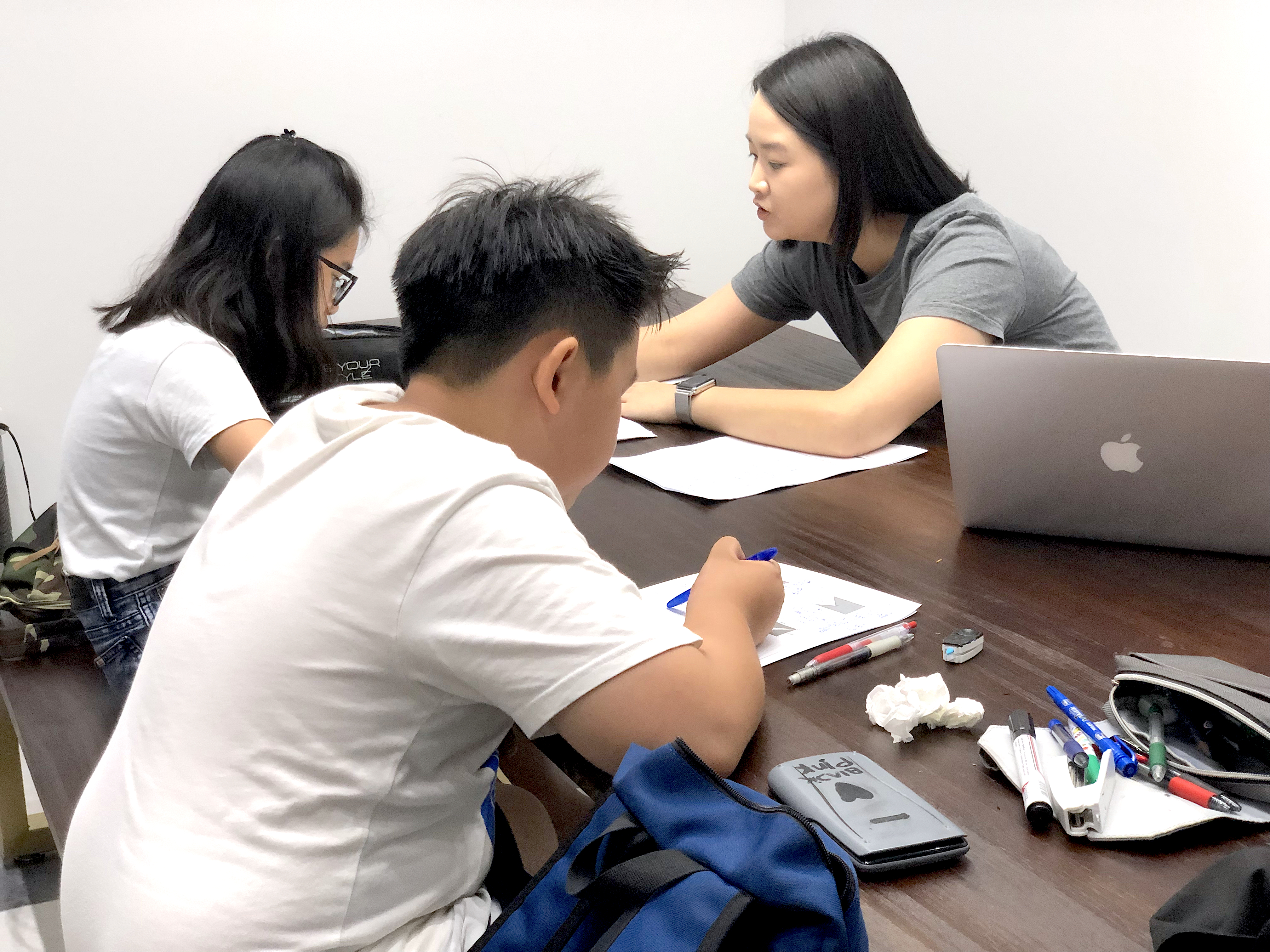














The photographs on this legacy page come from earlier eduKate collections and different teaching periods. They are retained as part of the original page history; they should not be interpreted as evidence that every pictured location, programme label or historical caption describes the current Sembawang-family class arrangement.
For current class information, contact eduKate with the student’s school level, recent English work and available lesson times so the present programme fit can be checked directly.


Learn English and make it useful.
Working with parents is useful when it improves continuity without replacing the student’s own responsibility. School feedback, recent marked work and recurring difficulties can help identify what should be practised or repaired. The aim is for the student to understand the feedback, apply it independently and carry the improvement into later work.
Class Culture
A constructive small-group culture should make it safe for students to show incomplete thinking, compare interpretations, accept correction and try again. Peer discussion is useful only when it returns to independent work: each learner should still be able to read, explain, write and revise without borrowing another student’s reasoning.