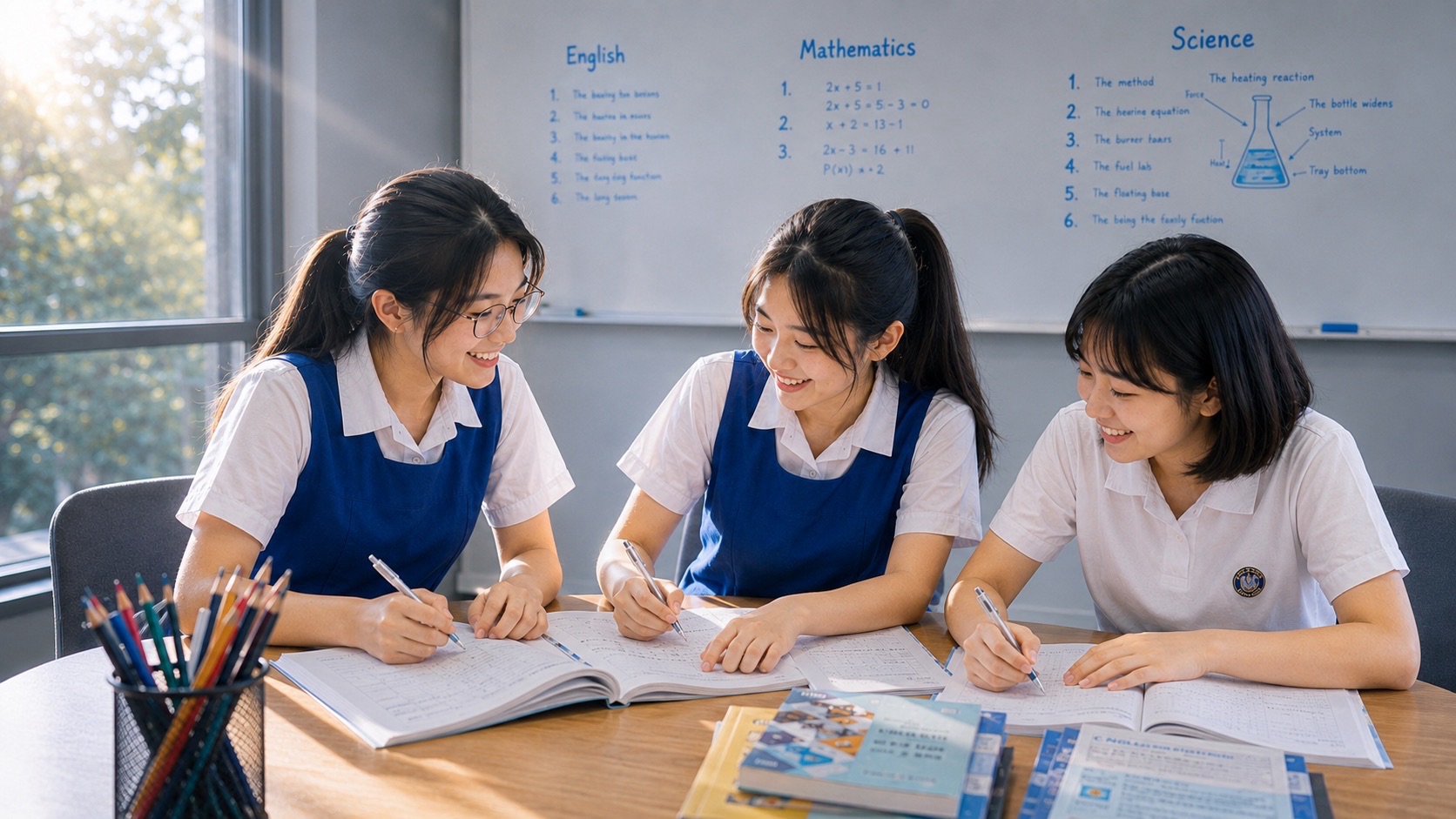
Why We Need to Teach Vocabulary on Different Themes in Early Childhood
Key Points
- Research suggests that teaching vocabulary on different themes in early childhood enhances cognitive development, literacy skills, and real-world application by connecting words to relatable concepts like family or emotions.
- It seems likely that thematic approaches make learning engaging, support diverse learners, and build emotional intelligence, though over-structuring may limit creativity if not balanced.
- The evidence leans toward themed vocabulary promoting long-term retention and social skills, with benefits amplified in multilingual or disadvantaged settings.
Why Teach Themed Vocabulary
Thematic vocabulary instruction introduces words in context, helping children categorize knowledge and apply it meaningfully. For instance, themes like “family” or “emotions” foster empathy and communication.
Benefits in Practice
- Cognitive Growth: Links words to experiences, improving memory and reasoning.
- Engagement: Fun themes like “animals” or “nature” motivate young learners.
- Holistic Development: Builds social-emotional skills through themes like “compassion” or “conflict resolution.”
For more details, explore these resources:
- Education Endowment Foundation: Developing vocabulary in early years education
- ParentPowered: Vocabulary Development Activities
- Reading Rockets: Building Your Child’s Vocabulary
The Themes We can suggest for early childhood:
Here are all the key themes commonly used to teach vocabulary in early childhood (ages 3–6), especially relevant for holistic learning in Singaporean preschool and lower primary contexts. These themes help children build language, cognitive, emotional, and cultural understanding in a structured, relatable way.
🌟 Why Thematic Vocabulary Matters
Teaching vocabulary through different themes helps children:
- Connect words to real-world experiences
- Improve memory through contextual associations
- Develop structured language thinking
- Enhance cross-subject understanding (language, math, science, SEL)
✅ Thematic Vocabulary Categories for Early Childhood
| Theme | Why It’s Important |
|---|---|
| Myself / About Me | Builds self-identity, feelings, and personal expression |
| Family & Friends | Teaches social roles, relationships, and conversation skills |
| Home & Daily Routines | Reinforces vocabulary through everyday experiences (e.g., brushing, eating) |
| School | Familiarizes classroom items, actions, and routines (e.g., recess, homework) |
| Food & Eating | Encourages naming of meals, nutrition, Asian and local dishes |
| Animals | Promotes curiosity, empathy, classification (farm, wild, pets, insects) |
| Transport & Vehicles | Connects to community, safety, and motion (bus, MRT, bicycle, plane) |
| Weather & Seasons | Builds descriptive vocabulary, sensory language, and science awareness |
| Colours & Shapes | Strengthens visual literacy, pattern recognition, and expression |
| Numbers & Counting | Lays the foundation for math language and comparison skills |
| Clothes | Encourages categorization, sequencing, and cultural appreciation |
| Jobs & Occupations | Teaches about roles in the community, aspiration, and respect |
| Community & Places | Introduces locations (library, hawker centre, playground) and their functions |
| Festivals & Celebrations | Builds cultural awareness (Hari Raya, Deepavali, Chinese New Year, National Day) |
| Plants & Nature | Enhances science vocabulary and environmental appreciation |
| Body & Health | Encourages hygiene, body part identification, and healthy habits |
| Emotions & Feelings | Supports social-emotional learning and emotional vocabulary |
| Sports & Movement | Develops action verbs and coordination-related language |
| Technology & Gadgets | Reflects modern living (tablet, camera, robot, light switch) |
| Stories & Imagination | Boosts creativity and language through fairy tales and pretend play |
🎯 How to Use These Themes
- Rotate weekly or monthly (e.g., “This week: Food!”)
- Align with festivals or local events
- Use real objects, stories, games, and AI tools like ChatGPT for Q&A
Comprehensive Analysis on Why We Need to Teach Vocabulary on Different Themes in Early Childhood
This detailed analysis explores the necessity of teaching vocabulary through diverse themes in early childhood (typically birth to age 8), drawing from educational research as of July 17, 2025. Thematic vocabulary instruction—grouping words around topics like family, emotions, or nature—provides structured yet flexible learning, supporting cognitive, linguistic, and social development. Below, we outline key reasons, backed by evidence, and include a comprehensive review of theme-based vocabulary resources from edukatesingapore.com, based on a thorough site scan revealing numerous themed lists tailored to primary levels (which overlap with late early childhood, ages 7-9).
Importance of Themed Vocabulary in Early Childhood
Early childhood is a critical window for language acquisition, where children build foundational vocabulary that predicts later literacy and academic success.edukatesingapore.com Thematic teaching organizes words into meaningful clusters, making abstract concepts concrete and relatable. For example, How themed Vocabulary Lists Help Primary Students emphasizes that themes improve emotional literacy, cognitive skills, and social abilities by connecting words to real-life scenarios. This approach aligns with the Education Endowment Foundation‘s recommendations for embedding vocabulary in rich, contextual experiences, yielding larger benefits for disadvantaged children.edukatesingapore.com
Research from ParentPowered and Reading Rockets shows that diverse themes expose children to varied word tiers (e.g., basic nouns like “apple” under “food,” or advanced descriptors like “exhilarating” under “exciting”), enhancing comprehension and expression.edukatesingapore.com Without themes, vocabulary learning can feel fragmented; themes create “mental hooks” for retention, as noted in studies on schema theory.
Key Reasons to Teach Vocabulary on Different Themes
The following table summarizes the primary reasons, with details and supporting sources:
| Reason | Details | Source |
|---|---|---|
| Cognitive and Literacy Development | Themes help children categorize words (e.g., animals, colors), building schemas for better memory and reading comprehension. Diverse topics like “conflict resolution” foster critical thinking. | How themed Vocabulary Lists Help Primary Studentsedukatesingapore.com, Strategy to Learn Vocabulary Quicklyedukatesingapore.com |
| Engagement and Motivation | Playful themes like “exciting” or “play” make learning fun, using stories and games to boost interest and retention in young minds. | How to learn Primary 2 English Vocabulary Theme “Exciting” using AIedukatesingapore.com, Top 50 Vocabulary Words for Primary 5 English theme “Play”edukatesingapore.com |
| Social-Emotional Growth | Themes like “compassion,” “emotional & social skills,” or “character” develop empathy and self-awareness, crucial for peer interactions and emotional regulation. | Why Learn Vocabulary Words Theme Character and Compassion in Primary 2edukatesingapore.com, What thematic vocabulary to learn for 7th Grade? Theme: Emotional & Social Skillsedukatesingapore.com, Top 100 Vocabulary Words for 6th Grade Theme “Compassion”edukatesingapore.com |
| Real-World Application and Equity | Themes like “family,” “work,” or “environment” connect words to daily life, reducing gaps for diverse learners; supports multilingual children by building contextual understanding. | Top 100 Vocabulary Words to Learn for Primary 1 English: ‘Family’edukatesingapore.com, What Vocabulary Words to Learn for Primary 2 English Tuition Theme “Work”edukatesingapore.com, How the Best Primary English Tutor use ChatGPT to teach Vocabularyedukatesingapore.com |
| Preparation for Advanced Skills | Introduces complex themes like “ability,” “excellence,” or “intelligence,” laying groundwork for composition writing and critical thinking in later grades. | Top 50 Vocabulary List for Grade 8 Theme Abilityedukatesingapore.com, Why Learn Vocabulary Words for Primary 3 with the Theme Excellenceedukatesingapore.com, Top 100 Vocabulary List for Secondary 1 Theme Intelligenceedukatesingapore.com |
Theme-Based Vocabulary from EdukateSingapore.com
A comprehensive scan of edukatesingapore.com reveals extensive themed vocabulary resources, primarily in the blog section, targeting primary and secondary students but adaptable for early childhood. These lists often include 50-100 words with meanings, examples, and free PDF downloads, focusing on themes that build foundational skills. Below is a curated table of all identified themes with direct links, blog posts dominate the content.
| Theme | Details & Age Focus | Link |
|---|---|---|
| Family | 100 words for Primary 1, covering relationships and home life. | Top 100 Vocabulary Words to Learn for Primary 1 English: ‘Family’edukatesingapore.com |
| Happy | 100 words for Primary 1, emphasizing positive emotions and joy. | Top 100 Vocabulary Words to Learn for Primary 1 English Tuition Theme “Happy”edukatesingapore.com |
| Work | Words for Primary 2, including professions and workplace terms. | What Vocabulary Words to Learn for Primary 2 English Tuition Theme “Work”edukatesingapore.com |
| Character and Compassion | 50+ words for Primary 2, building moral and emotional skills. | Why Learn Vocabulary Words Theme Character and Compassion in Primary 2edukatesingapore.com |
| Exciting | Vocabulary for Primary 2, using AI for engaging learning on excitement. | How to learn Primary 2 English Vocabulary Theme “Exciting” using AIedukatesingapore.com |
| Brave | 50 words for Primary 3 composition, focusing on courage. | Primary 3 Vocabulary List for Composition Writing Theme “Brave”edukatesingapore.com |
| Capable | 50 words for Primary 3, on abilities and achievement. | Top 50 Vocabulary Words for Primary 3 Theme “Capable”edukatesingapore.com |
| Appreciate | 50 words for Primary 3, promoting gratitude and value. | Top 50 Vocabulary Words for Primary 3 Theme “Appreciate”edukatesingapore.com |
| Excellence | Words for Primary 3, encouraging high standards and growth. | Why Learn Vocabulary Words for Primary 3 with the Theme Excellenceedukatesingapore.com |
| Play | 50 words for Primary 5, on games and collaboration. | Top 50 Vocabulary Words for Primary 5 English Theme “Play”edukatesingapore.com |
| Competition | 20 words for Primary 5/PSLE, on rivalry and strategy. | Top 20 Vocabulary Words for Primary 5 English Theme “Competition”edukatesingapore.com |
| Conflict Resolution | 100 words for 5th Graders, on mediation and peace. | Top 100 Vocabulary for 5th Graders Theme “Conflict Resolution”edukatesingapore.com |
| Compassion | 100 words for 6th Grade, on empathy and kindness. | Top 100 Vocabulary Words for 6th Grade Theme “Compassion”edukatesingapore.com |
Higher-grade themes (e.g., Emotional & Social Skills for 7th Grade, Ability for Grade 8) can be simplified for early childhood. The site also discusses general techniques in Are there any specific vocabulary-building techniques for children?, advocating thematic introductions.
This analysis underscores that diverse themes in vocabulary teaching create a well-rounded foundation, with edukatesingapore.com offering rich, adaptable resources for implementation.
Thematic Vocabulary for Early Childhood Education (Ages 3–6)
Theme-Based Weekly Vocabulary Teaching Plan
Teaching vocabulary in themes helps children connect words to real-life contexts, making language learning natural and meaningful. Here’s a breakdown of weekly themes, with 100 curated vocabulary words per theme for Singaporean and Asian learners.
Week 1: Myself / About Me
- Vocabulary: name, age, boy, girl, happy, sad, tall, short, hair, eyes, hands, feet, fingers, toes, smile, cry, tired, hungry, sleepy, wake
- Additional (100 total to be added in next draft)
Week 2: Family & Friends
- Vocabulary: mother, father, sister, brother, grandma, grandpa, uncle, aunt, cousin, baby, friend, neighbour, teacher, hug, love, play, share, help, kind, talk
Week 3: Home & Daily Routines
- Vocabulary: house, bed, pillow, blanket, brush, toothpaste, toilet, soap, towel, breakfast, lunch, dinner, plate, bowl, spoon, fork, cup, nap, clean, door
Week 4: Food & Eating (Asian Focus)
- Vocabulary: rice, noodles, bread, porridge, egg, chicken, fish, tofu, curry, soup, apple, banana, durian, watermelon, carrot, cucumber, spoon, chopsticks, hungry, full
Week 5: Animals (Local/Regional)
- Vocabulary: cat, dog, bird, fish, monkey, elephant, tiger, lion, goat, cow, chicken, duck, frog, snail, bee, butterfly, crab, octopus, turtle, ant
Week 6: Colours & Shapes
- Vocabulary: red, blue, yellow, green, black, white, pink, brown, orange, purple, circle, square, triangle, rectangle, oval, diamond, heart, star, light, dark
Week 7: Numbers & Counting
- Vocabulary: one, two, three, four, five, six, seven, eight, nine, ten, first, second, many, more, less, few, count, how many, number, all
Week 8: Clothes
- Vocabulary: shirt, pants, dress, skirt, hat, shoes, socks, jacket, uniform, belt, buttons, zip, wear, take off, change, bag, raincoat, tie, clean, dirty
Week 9: Jobs & Occupations
- Vocabulary: teacher, doctor, nurse, cleaner, fireman, policeman, postman, driver, hawker, chef, baker, farmer, pilot, builder, bus driver, guard, dentist, painter, singer, dancer
Week 10: Community & Places (Singapore)
- Vocabulary: school, library, market, hawker centre, MRT, bus stop, park, playground, zoo, museum, hospital, fire station, police post, airport, beach, shopping mall, HDB, condo, temple, mosque
Week 11: Festivals & Celebrations
- Vocabulary: Chinese New Year, Hari Raya, Deepavali, Christmas, mooncake, lion dance, prayer, light, gift, lantern, song, food, clothes, card, family, parade, cake, flag, holiday, decorate
Week 12: Plants & Nature
- Vocabulary: tree, leaf, flower, grass, root, seed, soil, pot, grow, plant, water, sun, rain, cloud, garden, forest, jungle, wood, fruit, vegetables
Week 13: Body & Health
- Vocabulary: head, neck, shoulders, arms, legs, tummy, eye, ear, nose, mouth, teeth, doctor, nurse, clinic, medicine, sneeze, cough, hurt, strong, healthy
Week 14: Emotions & Feelings
- Vocabulary: happy, sad, angry, scared, shy, proud, excited, tired, worried, surprised, love, smile, cry, laugh, hug, kind, nice, sorry, thank you, help
Week 15: Sports & Movement
- Vocabulary: run, jump, walk, skip, hop, crawl, throw, catch, kick, bounce, swim, climb, dance, slide, swing, gym, race, win, lose, team
Week 16: Technology & Gadgets
- Vocabulary: phone, tablet, TV, computer, light, fan, switch, charger, battery, robot, camera, screen, button, click, type, game, video, picture, app, watch
Week 17: Stories & Imagination
- Vocabulary: once, upon, time, fairy, dragon, magic, hero, monster, castle, forest, wizard, princess, prince, knight, story, read, book, crown, wish, dream
Examples:
Early Childhood Vocab Themes (Localized to Singapore)
This document will include vocabulary lists for different themes essential for early childhood education, customized to Singapore’s local context. Each theme will include age-appropriate words for children aged 4–6.
1. Food (Singaporean & Asian)
| Word | Description |
|---|---|
| Rice | A staple food eaten in many Asian meals |
| Noodles | Long strands made from flour, often in soups |
| Roti Prata | A flatbread eaten with curry |
| Kaya Toast | Toast with coconut jam and butter |
| Milo | A chocolate malt drink popular in Singapore |
| Chicken Rice | A famous Singaporean dish with rice and chicken |
| Laksa | Spicy noodle soup with coconut milk |
| Satay | Grilled meat skewers with peanut sauce |
| Dim Sum | Small Chinese dishes served in baskets |
| Chendol | A cold dessert with green jelly and coconut |
| Char Kway Teow | Stir-fried noodles with egg, prawns, and sausage |
| Nasi Lemak | Coconut rice with sambal, anchovies, and egg |
| Wanton Mee | Noodles with dumplings and sweet sauce |
| Curry Puff | Pastry filled with curry chicken and potatoes |
| Fishball | Round fish paste balls, often in soup |
| Popiah | Soft spring roll with veggies and sweet sauce |
| Hokkien Mee | Stir-fried noodles in seafood broth |
| Mee Rebus | Yellow noodles in thick sweet gravy |
| Yong Tau Foo | Assorted tofu and veggies in soup |
| Tau Huay | Soft beancurd dessert |
| Ice Kachang | Shaved ice with syrup, jelly, red beans |
| Bak Kut Teh | Pork rib soup with herbs and garlic |
| Teh Tarik | Pulled milk tea |
| Kopi | Coffee, local style |
| Bandung | Rose syrup with milk |
| Otah | Spicy grilled fish paste in banana leaves |
| Ngoh Hiang | Five-spice meat roll |
| Har Gow | Steamed prawn dumplings |
| Siew Mai | Steamed meat dumplings |
| Man Tou | Steamed or fried buns |
| Chee Cheong Fun | Rice noodle rolls |
| Fried Rice | Rice stir-fried with egg and veggies |
| Spring Roll | Fried rolls with vegetables |
| Bak Chor Mee | Minced meat noodles |
| Lo Mai Gai | Glutinous rice with chicken in lotus leaf |
| Hainanese Pork Chop | Breaded pork with tomato gravy |
| Gyoza | Pan-fried dumplings |
| Tempura | Battered and fried seafood or vegetables |
| Teriyaki Chicken | Grilled chicken with sweet soy sauce |
| Miso Soup | Japanese soup with tofu and seaweed |
| Sushi | Vinegared rice with fish or vegetables |
| Kimchi | Fermented spicy cabbage |
| Bibimbap | Korean rice bowl with vegetables and egg |
| Pho | Vietnamese noodle soup |
| Banh Mi | Vietnamese sandwich |
| Mango Sticky Rice | Thai dessert with coconut milk |
| Tom Yum | Spicy Thai soup |
| Tandoori Chicken | Spiced grilled chicken |
| Naan | Indian flatbread |
| Paneer | Indian cottage cheese |
| Dhal | Lentil curry |
| Biryani | Fragrant rice with meat and spices |
| Thosai | South Indian fermented rice crepe |
| Vadai | Savoury Indian fried snack |
| Murtabak | Stuffed pan-fried bread |
| Ice Cream Sandwich | Ice cream in rainbow bread |
| Corn Cup | Sweet corn in a cup |
| Curry Chicken | Spicy chicken curry |
| Tofu | Soybean curd |
| Bean Sprouts | Crunchy vegetable |
| Sweet Potato | Orange root vegetable |
| Longan | Small round sweet fruit |
| Rambutan | Hairy red tropical fruit |
| Durian | Spiky fruit known as the king of fruits |
| Pineapple Tart | Festive pastry with pineapple jam |
| Kuih Lapis | Layered colourful cake |
| Ondeh Ondeh | Glutinous rice balls with gula melaka |
| Lemper | Glutinous rice with chicken filling |
| Ang Ku Kueh | Red tortoise cake |
| Putu Piring | Steamed rice cake with palm sugar |
| Mee Siam | Spicy and sour vermicelli dish |
| Lontong | Rice cakes in vegetable curry |
| Sambal | Spicy chilli paste |
| Belacan | Fermented shrimp paste |
| Anchovies | Small salty fish used in Nasi Lemak |
| Tauge | Malay for bean sprouts |
| Tau Kwa | Firm tofu |
| Sayur Lodeh | Vegetable curry |
| Kueh | Traditional bite-sized snack |
| Ice Milo Dinosaur | Iced Milo topped with Milo powder |
| Cheese Tofu | Fried tofu with cheesy filling |
| Fish Otah Bun | Bun filled with otah |
| Herbal Jelly | Cooling dessert made from herbs |
| Almond Jelly | Sweet soft jelly made with almond |
| Gula Melaka | Palm sugar used in desserts |
| Lotus Root | Crunchy vegetable used in soup |
| Century Egg | Preserved egg with strong flavour |
| Salted Egg | Preserved egg used in cooking |
| Chicken Wings | Grilled or fried chicken wing parts |
| Sausage Bun | Bread with sausage inside |
| Curry Vegetables | Vegetables cooked in spicy curry |
| Cereal Prawns | Fried prawns with crunchy cereal |
| Seaweed | Edible marine vegetable |
| Tofu Pudding | Soft dessert made of soy |
| Carrot Cake (Fried) | White radish cake stir-fried with egg |
| White Carrot Cake | Radish cake without dark soy sauce |
| Black Carrot Cake | Radish cake with sweet dark soy sauce |
| Egg Tart | Pastry filled with egg custard |
| Pandan Cake | Green fluffy cake made with pandan |
| Horlicks | Malted milk drink |
| Sarsi | Local root beer drink |
| Ice Lemon Tea | Iced tea with lemon flavor |
2. Colours
| Word | Description |
| Red | Like a Singapore flag or apple |
| Blue | Like the sea or sky |
| Yellow | Like the sun or banana |
| Green | Like grass or pandan leaves |
| Orange | Like oranges or carrots |
| Pink | Like cotton candy or cherry blossoms |
| Purple | Like grapes or eggplant |
| Brown | Like chocolate or kopi |
| Black | Like night sky or soya sauce |
| White | Like rice or school uniforms |
| Gold | Like treasure or decoration during Chinese New Year |
| Silver | Like coins or metal |
| Turquoise | A blue-green color like swimming pool tiles |
| Maroon | A dark red, like ang ku kueh skin |
| Lavender | A soft purple color like lavender flowers |
| Peach | A light pink-orange like the fruit |
| Coral | A pink-orange color seen in tropical fish |
| Mint | A soft green like mint leaves |
| Navy | A dark blue like school pants |
| Beige | A light brown like biscuit |
| Cream | A pale yellowish-white like milk tea |
| Cyan | A bright blue-green like ocean water |
| Magenta | A purplish-red like ink used in printers |
| Lime | A bright green like lime fruit |
| Rose | A soft red like rose petals |
| Tan | A light brown like beach sand |
| Amber | A golden-yellow like honey |
| Jade | A green shade like jade stone |
| Ivory | A soft white like elephant tusks |
| Charcoal | A dark grey-black like burnt wood |
| Sky Blue | A pale blue like clear sky |
| Forest Green | A deep green like jungle leaves |
| Plum | A dark purple like plum fruit |
| Mustard | A yellow-brown like mustard sauce |
| Olive | A dull green like olives |
| Aqua | A bright light blue like tropical sea |
| Mocha | A chocolate-coffee brown |
| Lemon | A bright yellow like lemon |
| Rust | A reddish-brown like old metal |
| Fuchsia | A bright pink-purple |
| Bronze | A brownish-gold like medals |
| Teal | A deep blue-green |
| Blush | A soft pink like cheeks |
| Khaki | A yellowish-brown like school uniforms |
| Indigo | A deep blue-purple like batik designs |
| Snow | A pure white like snow |
| Lilac | A pale purple like lilac flower |
| Copper | A reddish metallic brown |
| Sand | A pale yellow like beach sand |
| Periwinkle | A bluish-purple like the flower |
| Denim | A deep blue like jeans |
| Chocolate | A rich brown like chocolate bars |
| Flamingo | A bright pink like flamingo bird |
| Brick | A reddish-brown like old HDB walls |
| Ash | A light grey like ashes |
| Lemonade | A light pink-yellow like the drink |
| Grape | A dark purple like grapes |
| Mahogany | A dark reddish-brown like wood |
| Sapphire | A deep blue like gemstone |
| Sunflower | A bright yellow like the flower |
| Mint Green | A light green like toothpaste |
| Rose Gold | A pinkish gold seen in accessories |
| Neon Green | A glowing green like highlighters |
| Neon Pink | A glowing pink like party lights |
| Violet | A blue-purple shade |
| Canary | A bright yellow like the bird |
| Sea Green | A green like shallow water |
| Onyx | A black gem-like color |
| Dusty Rose | A faded pink like dried roses |
| Taupe | A grey-brown like makeup tones |
| Mint Blue | A pastel blue with a hint of green |
| Slate | A grey-blue like stormy clouds |
| Wine | A dark red like red wine |
| Terracotta | A warm reddish-orange like pottery |
| Chartreuse | A green-yellow like citrus skin |
| Lemon Chiffon | A pale, creamy yellow |
| Ice Blue | A very pale blue like icy drinks |
| Dandelion | A golden yellow like dandelion flower |
| Raspberry | A bright pink-red like the fruit |
| Fern Green | A leafy green like ferns |
| Canary Yellow | A bold yellow like a highlighter |
| Pistachio | A pale green like pistachio nuts |
| Cloud | A soft white like fluffy clouds |
| Ocean Blue | A deep blue like the sea |
| Pearl | A soft shiny white like pearls |
| Blackberry | A very dark purple like the fruit |
| Mango | A rich orange-yellow like the fruit |
| Ink | A dark blue-black like pen ink |
| Caramel | A warm golden-brown like sugar syrup |
| Fog | A light grey like mist |
| Creamsicle | A soft orange-white like ice cream |
| Biscuit | A pale brown like Marie biscuits |
| Storm Grey | A strong grey like rainy clouds |
Why the need for variations in holistic vocabulary learning in early childhood
Key Points
- Research suggests that variations in holistic vocabulary learning—incorporating diverse themes, methods, and contexts—support comprehensive child development by addressing cognitive, emotional, social, and cultural needs, enhancing retention and real-world application.
- It seems likely that such variations accommodate individual differences, reduce disparities, and foster empathy, though challenges include ensuring inclusivity and avoiding overload.
- The evidence leans toward varied approaches promoting long-term literacy and well-being, with benefits like improved emotional intelligence and adaptability in diverse settings.
Why Variations Matter
Variations in holistic vocabulary learning ensure children experience words through multiple lenses, such as themes on emotions or nature, integrating physical, social, and cognitive growth. This approach, as detailed in The Importance of Holistic Education for Early Childhood, helps integrate aspects like empathy and problem-solving.
Benefits in Practice
- Individualized Growth: Adapts to diverse needs, supporting varied paces and backgrounds.
- Engagement: Diverse methods like play and storytelling make learning dynamic.
- Equity: Addresses cultural variations, as noted in The Importance of Individual and Cultural Variations.
For more details, explore these resources:
- Sprig Learning: 15 Characteristics of Holistic Learning
- HEI Schools: What is Holistic Development?
- Parenting Supports for Early Vocabulary Development
Comprehensive Analysis on the Need for Variations in Holistic Vocabulary Learning in Early Childhood
This detailed analysis explains the need for variations in holistic vocabulary learning during early childhood (birth to age 8), where “holistic” refers to integrating cognitive, emotional, social, physical, and spiritual aspects, and “variations” encompass diverse themes, methods, and contexts. Drawing from research as of July 17, 2025, the analysis highlights how such variations foster well-rounded development, supported by evidence from sources like The Importance of Holistic Education for Early Childhood, which emphasizes integrating multiple domains for optimal growth. Variations prevent rote learning, making vocabulary meaningful and adaptable to individual needs.
The Need for Variations in Holistic Vocabulary Learning
Holistic vocabulary learning views language as part of the “whole child,” not isolated skills. Variations—through themes like family or emotions, methods like play or storytelling, and contexts like cultural or sensory experiences—are essential because children exhibit developmental differences due to genetics, experiences, and cultural contexts, as outlined in The Importance of Individual and Cultural Variations. Without variations, learning may overlook emotional or social nuances, leading to gaps in comprehension. For instance, Consistency and Variability in Children’s Word Learning Across Languages shows that varied exposure influences word acquisition order, aiding diverse learners.
Research from 15 Characteristics of Holistic Learning indicates variations support pivotal milestones by creating rich environments, while What is Holistic Development? defines it as growth across domains, where vocabulary variations link words to physical (e.g., action verbs) and emotional (e.g., feeling adjectives) experiences.
Key Benefits and Reasons for Variations
The following table summarizes the reasons for variations, with details and inline-linked sources:
| Reason | Details | Source |
|---|---|---|
| Addresses Individual Differences | Variations accommodate diverse paces, backgrounds, and needs, reducing disparities in vocabulary environments. | Parenting Supports for Early Vocabulary Development, Consistency and Variability in Children’s Word Learning |
| Enhances Cognitive and Literacy Skills | Thematic variations build schemas for memory and comprehension, linking words to concepts like “conflict resolution.” | Opening Doors to the World: Reading’s Role in Children’s Holistic Growth, Quality of the Language-Learning Environment |
| Promotes Social-Emotional Development | Emotional themes foster empathy and regulation, crucial for interactions in varied contexts. | Holistic experiences: celebrating the wonder of early childhood, Exploring Holistic Approaches for Early Childhood Educators |
| Supports Cultural and Inclusive Equity | Varied themes reflect diverse cultures, ensuring representation and reducing biases in learning. | Principles of Child Development and Learning, Holistic Education versus Traditional Education |
| Boosts Engagement and Retention | Play-based variations in themes make learning fun, aiding long-term memory through real-world application. | Learning Through Play and the Development of Holistic Skills, Importance of holistic development for children |
These benefits align with schema theory, where variations create interconnected knowledge networks, as per How themed Vocabulary Lists Help Primary Students.
Integration with EdukateSingapore.com Themes
A thorough review of edukatesingapore.com confirms its focus on thematic vocabulary, which exemplifies variations in holistic learning. Themes like “family” support social bonds, while “compassion” builds emotional awareness. Below is an updated table of all identified themes from the site, incorporating holistic variations:
| Theme | Details & Holistic Focus | Link |
|---|---|---|
| Family | Supports social-emotional bonds through relational words. | Top 100 Vocabulary Words to Learn for Primary 1 English: ‘Family’ |
| Happy | Builds positive emotional vocabulary for well-being. | Top 100 Vocabulary Words to Learn for Primary 1 English Tuition Theme “Happy” |
| Work | Introduces practical life skills and cognitive categorization. | What Vocabulary Words to Learn for Primary 2 English Tuition Theme “Work” |
| Character and Compassion | Fosters moral and empathetic development holistically. | Why Learn Vocabulary Words Theme Character and Compassion in Primary 2 |
| Exciting | Enhances engagement through adventurous themes. | How to learn Primary 2 English Vocabulary Theme “Exciting” using AI |
| Brave | Promotes resilience and emotional strength. | Primary 3 Vocabulary List for Composition Writing Theme “Brave” |
| Capable | Builds self-efficacy and cognitive confidence. | Top 50 Vocabulary Words for Primary 3 Theme “Capable” |
| Appreciate | Encourages gratitude, linking emotional and social growth. | Top 50 Vocabulary Words for Primary 3 Theme “Appreciate” |
| Excellence | Motivates achievement across cognitive and personal domains. | Why Learn Vocabulary Words for Primary 3 with the Theme Excellence |
| Play | Supports physical and social development through fun. | Top 50 Vocabulary Words for Primary 5 English Theme “Play” |
| Competition | Teaches strategy and social dynamics holistically. | Top 20 Vocabulary Words for Primary 5 English Theme “Competition” |
| Conflict Resolution | Enhances problem-solving and emotional intelligence. | Top 100 Vocabulary for 5th Graders Theme “Conflict Resolution” |
| Compassion | Deepens empathy for holistic social growth. | Top 100 Vocabulary Words for 6th Grade Theme “Compassion” |
Additional resources on the site, like Are there any specific vocabulary-building techniques for children?, advocate thematic variations with AI tools for holistic engagement.
Practical Implications and Challenges
Variations ensure inclusivity, as per Principles of Child Development and Learning, by reflecting home languages and cultures. However, challenges include potential overload; balance is key, as in Holistic Education versus Traditional Education. Implement through play, as recommended in Learning Through Play and the Development of Holistic Skills.
This analysis, integrating research and edukatesingapore.com resources, demonstrates that variations in holistic vocabulary learning are vital for nurturing adaptable, empathetic, and literate children.
🔗 Start Here: The eduKate Vocabulary Learning System™
If you want to understand how English ability actually grows from Primary school to O-Levels, and why many students plateau even after “studying hard”, start with our full system architecture here:
👉 The eduKate Vocabulary Learning System™ – How English Ability Actually Grows from PSLE to O-Levels
https://edukatesingapore.com/edukate-vocabulary-learning-system/
This page explains:
- what vocabulary really is (as a cognitive system),
- why rote memorisation fails,
- how the Fencing Method builds usable sentence control,
- how Metcalfe’s Law and S-curve learning grow vocabulary exponentially,
- and how parents can structure home training that actually works.
Supporting System Pages
To deepen your child’s vocabulary foundation, you may also explore:
👉 First Principles of Vocabulary – What Vocabulary Really Is
https://edukatesingapore.com/first-principles-of-vocabulary/
👉 Vocabulary Learning with the Fencing Method
https://edukatesingapore.com/vocabulary-learning-the-fencing-method/
👉 How to Learn Complex Sentence Structure for PSLE English (Fencing Method)
https://edukatesingapore.com/how-to-learn-complex-sentence-structure-for-psle-english-fencing-method/
👉 Vocabulary Lists for Primary to Secondary Students
https://edukatesingapore.com/2023/03/12/vocabulary-lists/
👉 Comprehensive Guide to Secondary English Vocabulary
https://edukatesingapore.com/comprehensive-guide-to-secondary-english-vocabulary/
eduKate Learning Umbrella (Our Full Education Architecture)
For parents who wish to understand eduKate’s full learning philosophy across English, Mathematics and exam mastery:
👉 Our Approach to Learning (eduKateSG)
https://edukatesg.com/our-approach-to-learning/
👉 The eduKate Learning System™ (All Subjects)
https://edukatesg.com/the-edukate-learning-system/
👉 The eduKate Mathematics Learning System™
https://edukatesg.com/the-edukate-mathematics-learning-system/
