This Secondary English Tutor Sembawang page is a parent selection guide built around observable teaching behaviour. Instead of choosing a tutor from labels such as “best”, “experienced” or “exam-focused”, ask what the tutor notices before correcting, how feedback is retested and whether the student becomes more independent over time. This legacy URL does not by itself represent a current physical Sembawang branch; confirm the present teaching location and availability directly.
A useful tutor diagnoses before prescribing. Recent school papers, compositions, comprehension answers and repeated errors can show whether the student’s difficulty begins with task interpretation, reading, evidence, paragraph organisation, grammar under load, timing or transfer. Two students with the same mark may need different repairs.



This is a legacy Sembawang search page, not a current-location directory. Historical Yishun address and centre references are not current service claims. Families should confirm the present teaching location, timetable and class suitability directly before choosing a tutor.
The tutor should be able to explain the first wrong move, not merely provide a better final answer. In comprehension that may be a misread question or weak evidence; in writing it may be a poor content decision before the sentence was written. Repairing the earlier break makes the correction more reusable.
Feedback should become a retest. Change the passage, topic or wording, remove the hint and see whether the student can still recognise and apply the principle. Immediate agreement with a tutor is not the same as independent retrieval.
A good tutor also knows when not to help. Constant prompting can make tuition performance look strong while hiding dependence. Support should fade as the student becomes better at starting, recovering, checking and revising alone.
Writing and comprehension lessons should expose reasoning. Students should explain why evidence is relevant, what a paragraph must accomplish, why a sentence is unclear and what the question actually requires. Observable reasoning allows the tutor to adjust the smallest useful part of the process.
A responsible tutor does not need a guaranteed grade to explain value. The tutor can describe the teaching process, the evidence being monitored, what progress should look like and what would cause the plan to change. Final examination outcomes depend on more than any one tuition lesson.
For current tutor and class information, contact eduKate with the student’s level, recent English work and available lesson times. Confirm the present teaching location and class fit directly before enrolment.
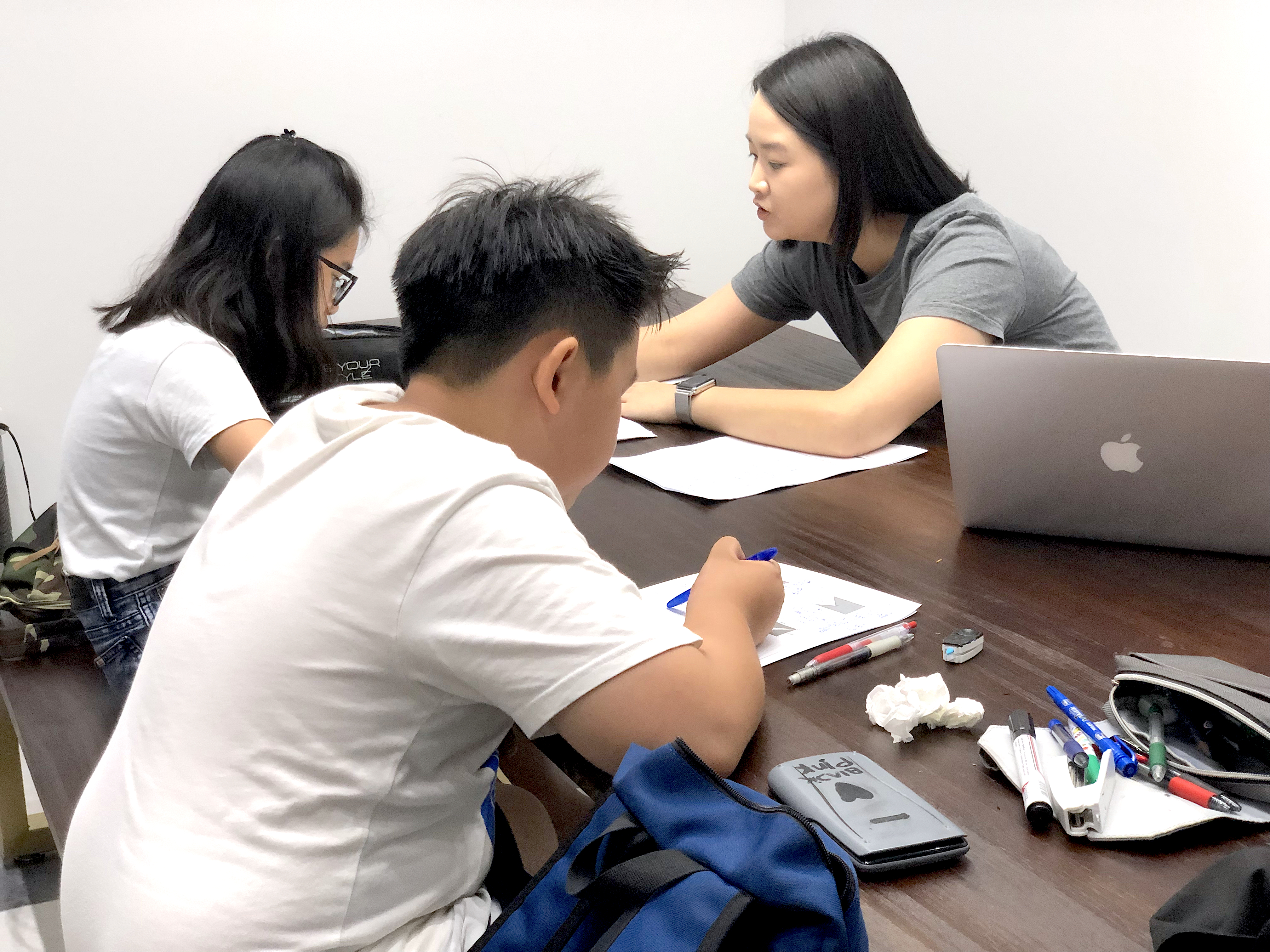














The photographs on this legacy tutor page come from earlier eduKate collections and different teaching periods. They are preserved as part of the original visual archive; historical location words or programme labels attached to those images should not be interpreted as current Sembawang tutor or class information.
For current tutor information, contact eduKate with the student’s school level, recent English work and available lesson times so the present teaching arrangement can be checked directly.


Learn English and make it useful.
Parents can ask direct questions: How do you diagnose a new student? How do you use marked schoolwork? How is feedback retested? How do you distinguish a knowledge gap from a timing or transfer problem? How will support reduce if the student improves?
Class Culture
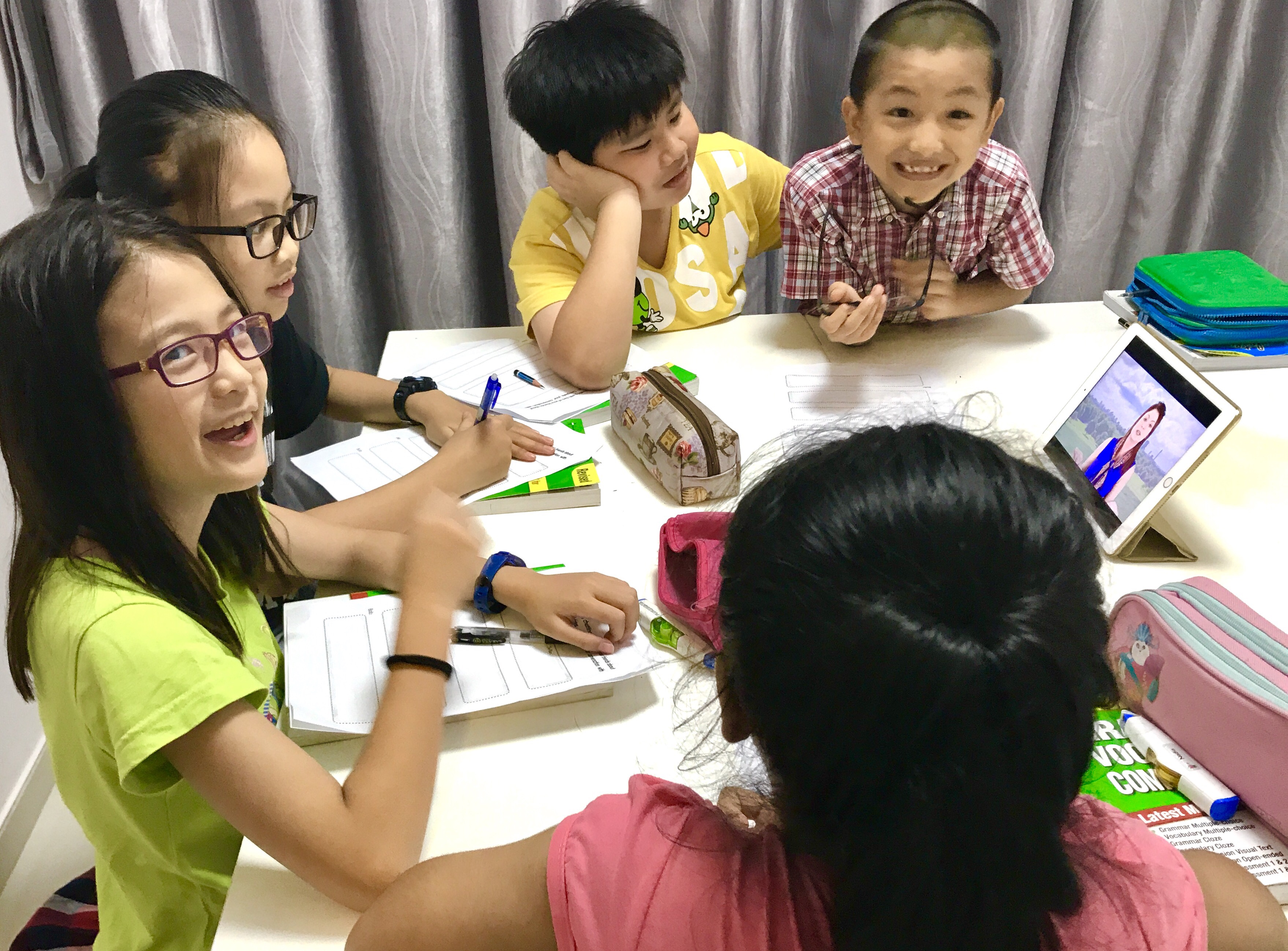
In a constructive small group, students can compare interpretations and approaches without borrowing one another’s work. The tutor should return every useful discussion to independent reading or writing so each learner’s reasoning remains visible.