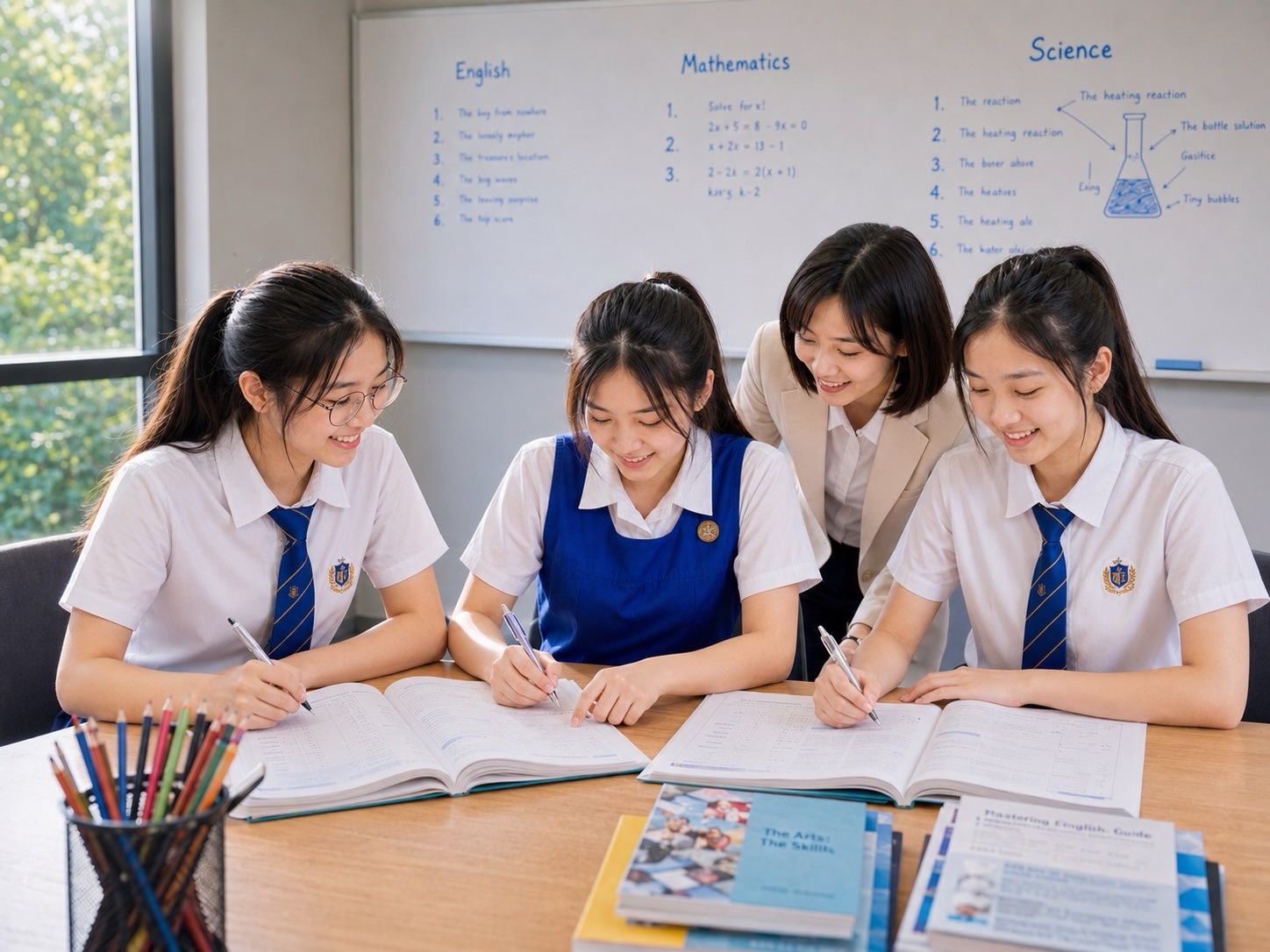
Punggol English Enrichment: Happy, Descriptive Words
100 words associated with Happy. English tuition in Punggol this week talks about words describing emotions for Creative Writing. Punggol Free English Enrichment lessons online for parents to print out and enrich their children’s vocabulary organised thematically with fun Youtube videos.
Mastery: Advanced English Usage
happy
cheerful
joyous
overjoyed
ecstatic
elated
jubilant
lovely
lively
delighted
glad
merry
pleased
upbeat
blessed
blissful
glee
chirpy
laugh
jokingly
mirth
euphoria
exhilaration
festive
revelry
frolic
enjoyment
merry
levity
cheery
gaiety
jolly
jovial
buoyant
spirited
bullish
bright
positive
assured
sanguine
sporting
amusement
light hearted
effervescent
sunny
bubbly
animated
sprightly
vivacious
vigour
carefree
perky
hilarity
zestful
blithe
beatific
frisky
gladsome
jaunty
enthusiastic
enraptured
enchanted
rhapsodic
heavenly
exultant
animated
paradise
intoxicated
rejoice
hysterical
delirious
eager
alive
ebullient
irrepressible
breezy
sparkling
happy-go-lucky
zesty
chipper
peppy
dynamic
carefree
radiant
free
convivial
jocund
jesting
joking
prank
witty
pleasant
quip
sally
giggle
guffaw
chuckle
chortle
snigger
titter
Yuet Ling in Sydney, Australia. Breakfast is the most important meal of the day.Sydney Singapore. Harbour Bridge.
Choose the question that brought you here. Open one useful guide, try a small task, and stop when you have what you need.
Take one question further
The same learning habit can travel across subjects, while each subject keeps its own methods. These routes help you notice a difficulty, understand one part of it, and return to something you can do.
Try it without the guide: Choose one word you already know. Close the guide and use it in a new sentence. Explain why it fits; try another context tomorrow.
A piece of writing has ideas, but the reader loses the thread.
Try it without the guide: Choose one short paragraph. Read the relevant explanation, close it, and revise the paragraph. Ask someone to tell you what happened and why.
The Mathematics seems familiar, but marks still disappear.
Try it without the guide: For a Secondary 4 A-Math question you have attempted, locate the first uncertain line. Repair that step, then try a comparable question without the worked answer.
A Science fact is remembered, but the explanation is incomplete.
Try it without the guide: Choose a familiar Primary Science example. Explain the evidence, the idea and the result without notes. Then change one condition and explain your prediction.
Try it without the guide: Take one claim. Find the source best placed to support it, note its date, and state what remains uncertain. Return to your original question.
There is plenty of help, but independence is hard to see.
Try it without the guide: Choose one small task the child has practised. Agree on a calm, brief attempt without prompts. Use what happens to choose one next step, then stop.