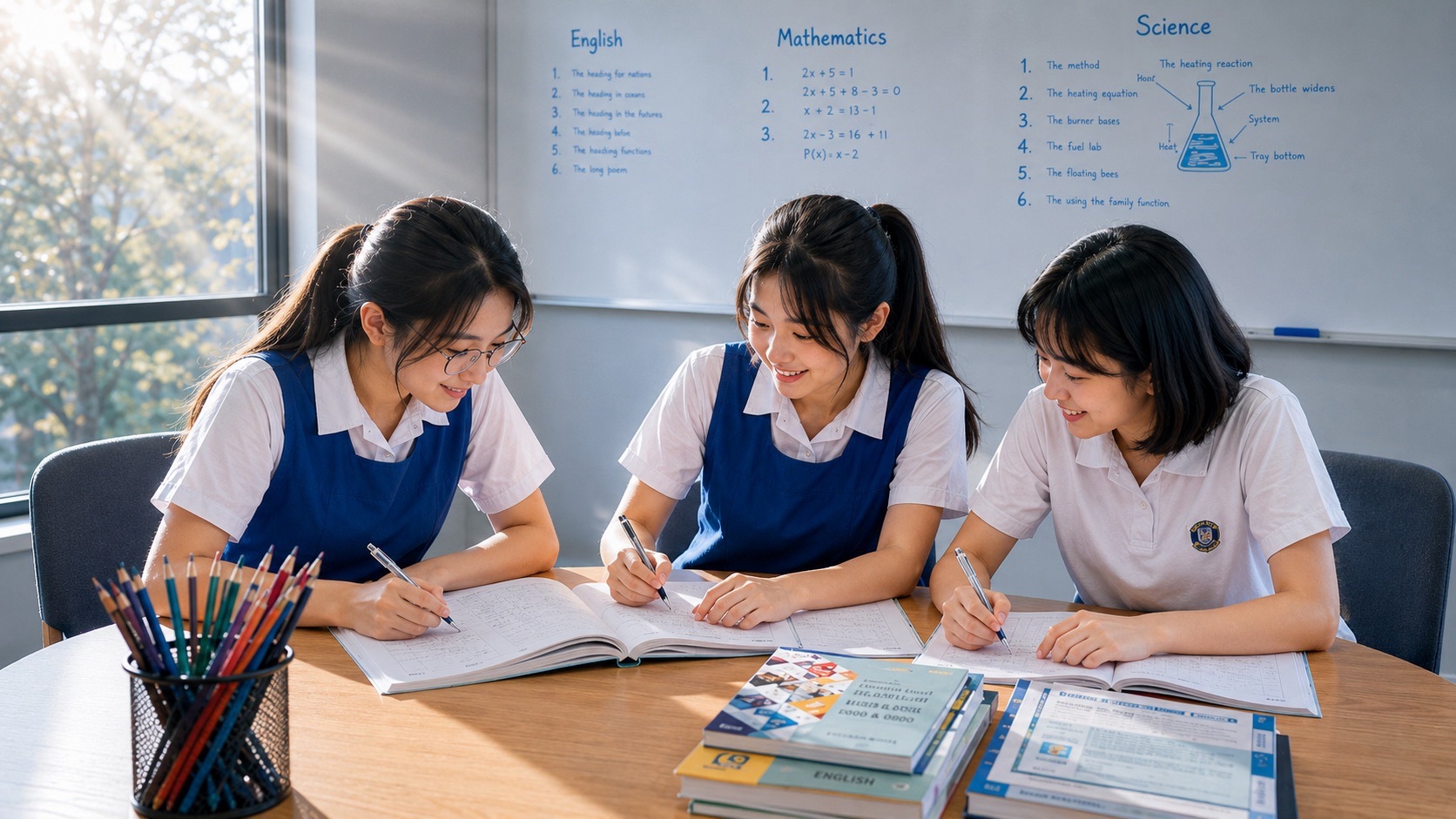
When to Consider Primary 1 English Tuition?
- Struggling with Basic Literacy Skills:
- If your child is having difficulty recognizing letters, understanding phonics, or forming basic words and sentences, it might be time to consider English tuition to build a strong foundation.
- Lack of Interest in Reading and Writing:
- A disinterest in reading and writing can hinder language development. Tuition can provide engaging and interactive methods to spark your child’s interest in these essential skills.
- Consistently Low Grades:
- Consistently low performance in English assessments and classwork may indicate that your child needs extra support. Tuition can help identify and address specific areas of weakness.
- Difficulty in Following Classroom Lessons:
- If your child finds it challenging to keep up with the pace of classroom lessons, additional tuition can provide the personalized attention they need to understand and master the material.
- Limited Vocabulary:
- A limited vocabulary can restrict your child’s ability to express themselves clearly. English tuition can introduce new words and concepts in a structured and supportive environment.
- Lack of Confidence:
- Struggling with English can lead to a lack of confidence in academic abilities. Tuition can help build your child’s confidence through positive reinforcement and targeted practice.
- Preparation for Primary 2 and Beyond:
- Early tuition can ensure that your child is well-prepared for the increased demands of Primary 2 and beyond, setting them up for long-term academic success.
- Parent’s Inability to Provide Adequate Support:
- If you feel that you lack the time, resources, or expertise to help your child with their English homework and studies, professional tuition can fill this gap effectively.
- Behavioral Indicators of Stress or Frustration:
- Signs of stress, frustration, or reluctance to go to school may indicate that your child is struggling with their studies. Tuition can provide the support they need to alleviate these feelings.
- Teacher’s Recommendation:
- If your child’s teacher has expressed concerns about their progress in English or suggested additional support, it is wise to consider tuition to address these concerns early on.
Starting Primary 1 is a significant milestone for children and parents alike. It’s a time of transition where foundational skills are developed that will shape future academic success. English, being a core subject, requires particular attention. Here are key indicators and scenarios when considering Primary 1 English tuition can be beneficial:
Early Signs of Struggle
Keywords: early intervention, academic challenges, foundational skills
- Difficulty in Phonics and Reading: If your child shows difficulty in grasping basic phonics, struggling to blend sounds to form words, or has trouble with early reading skills, it may be time to seek additional support.
- Signs: Confusion with letter sounds, hesitance to read aloud, frequent mistakes in simple words.
Need for Individualized Attention
Keywords: personalized learning, tailored instruction, small group benefits
- Large Class Sizes: In larger classroom settings, teachers may not be able to provide the personalized attention that some children need. Small group tuition can bridge this gap by offering tailored instruction.
- Benefits: Personalized attention ensures that specific learning gaps are addressed, and concepts are reinforced effectively.
Boosting Confidence and Engagement
Keywords: self-esteem, participation, interactive learning
- Shyness and Low Participation: If your child is shy, hesitant to participate in class discussions, or lacks confidence, small group tuition can provide a supportive environment that encourages active participation.
- Results: Building self-esteem through positive reinforcement and interactive learning can significantly enhance classroom engagement and performance.
Preparation for Assessments
Keywords: exam preparation, skill mastery, academic readiness
- Upcoming Assessments: Early preparation for school assessments can be crucial. Tuition can provide structured practice and familiarize children with the types of questions and formats they will encounter.
- Focus: Emphasizing key areas such as comprehension, grammar, and writing skills ensures readiness for any evaluations.
Enhancing Learning Beyond the Classroom
Keywords: supplementary education, holistic development, critical thinking
- Supplementary Education: For parents who want to supplement their child’s school learning with additional practice and enrichment, tuition can offer a more comprehensive approach.
- Holistic Development: Beyond just academics, good tuition programs can also foster critical thinking, creativity, and a love for learning.
Parental Support and Guidance
Keywords: parental involvement, education partnership, informed decisions
- Parental Guidance: Engaging a tutor can also provide parents with insights into their child’s progress and areas needing improvement, helping them to support their child’s learning journey effectively.
- Partnership: A collaborative approach between parents, teachers, and tutors can lead to a more cohesive educational experience.
Real-Life Testimonials
- Personalized Attention: “My daughter struggled with phonics and reading at the start of Primary 1. The personalized attention she received in small group tuition made a huge difference. She’s now more confident in her reading skills.”
- Source: Engage Education
- Confidence Building: “The supportive environment of small group tuition significantly boosted my son’s confidence. He now participates more actively in his school classes.”
- Source: Education NSW
- Engaging Lessons: “The interactive and engaging lessons keep him interested and focused, greatly improving his comprehension and retention.”
- Source: Education Endowment Foundation
Conclusion
Considering Primary 1 English tuition can provide your child with the necessary support to build a strong foundation in English. Whether it’s overcoming early challenges, preparing for assessments, or enhancing overall engagement, tuition can play a vital role in your child’s educational journey. For expert guidance and tailored learning experiences, consider enrolling your child in a reputable tuition program like eduKateSingapore.com, which specializes in small group tuition to provide personalized and effective support.
FAQs on Primary 1 English Tuition
1. Why should I consider Primary 1 English tuition for my child?
Answer: Primary 1 English tuition can provide personalized attention, helping to address specific learning needs and challenges early on. It builds a strong foundation in phonics, reading, writing, and comprehension skills, boosting your child’s confidence and engagement in school.
2. What are the signs that my child needs English tuition?
Answer: Signs include struggling with basic phonics and reading, difficulty in understanding simple instructions, lack of confidence in speaking, and low participation in class activities. If your child frequently makes mistakes in simple words or shows a general disinterest in reading, it may be time to consider tuition.
3. How can small group tuition benefit my child compared to large classroom settings?
Answer: Small group tuition offers personalized learning experiences, where tutors can focus on each child’s unique needs. This environment encourages active participation, provides immediate feedback, and fosters a supportive learning atmosphere that is less intimidating than larger classes.
4. What should I look for in a good Primary 1 English tutor?
Answer: Look for a tutor with a strong educational background, experience in teaching young children, and a proven track record of success. The tutor should be patient, engaging, and able to provide personalized attention to help your child improve their skills and build confidence.
5. How often should my child attend tuition sessions?
Answer: The frequency of tuition sessions depends on your child’s needs and your schedule. Typically, 1-2 sessions per week are sufficient for reinforcing school learning and addressing specific challenges. Regular practice and consistency are key to seeing improvement.
6. Can English tuition help my child prepare for assessments and exams?
Answer: Yes, English tuition can help prepare your child for school assessments and exams by providing targeted practice, familiarizing them with exam formats, and teaching effective test-taking strategies. Tuition sessions can focus on areas such as reading comprehension, grammar, and essay writing to ensure academic readiness.
7. What is the difference between individual and small group tuition?
Answer: Individual tuition offers one-on-one attention, allowing for highly personalized instruction tailored to your child’s specific needs. Small group tuition, on the other hand, provides a collaborative learning environment where students can learn from each other while still receiving personalized support from the tutor.
8. How can I track my child’s progress in tuition?
Answer: Regular feedback from the tutor, progress reports, and assessments can help you track your child’s improvement. Communicate with the tutor frequently to understand your child’s strengths and areas needing improvement. Monitoring homework and practice assignments also provides insight into their progress.
9. Is it too early to start tuition in Primary 1?
Answer: Starting tuition in Primary 1 is not too early; it can be an excellent way to establish a strong academic foundation. Early intervention can address learning challenges before they become significant issues, ensuring your child is well-prepared for future academic demands.
10. What should I expect from a good English tuition program?
Answer: A good English tuition program should offer structured lessons that cover all aspects of the English language, including phonics, reading, writing, and comprehension. It should provide engaging and interactive activities, regular assessments, and personalized feedback to ensure continuous improvement.
Testimonials from Parents
- Personalized Attention: “My daughter struggled with phonics and reading at the start of Primary 1. The personalized attention she received in small group tuition made a huge difference. She’s now more confident in her reading skills.”
- Confidence Building: “The supportive environment of small group tuition significantly boosted my son’s confidence. He now participates more actively in his school classes.”
- Engaging Lessons: “The interactive and engaging lessons keep him interested and focused, greatly improving his comprehension and retention.”
By providing the right support through Primary 1 English tuition, you can help your child build a strong foundation for future academic success. For expert guidance and personalized learning experiences, consider enrolling your child in a reputable tuition program like eduKateSingapore.com.
