eduKate Singapore: Small-Group Tuition and Learning Guidance
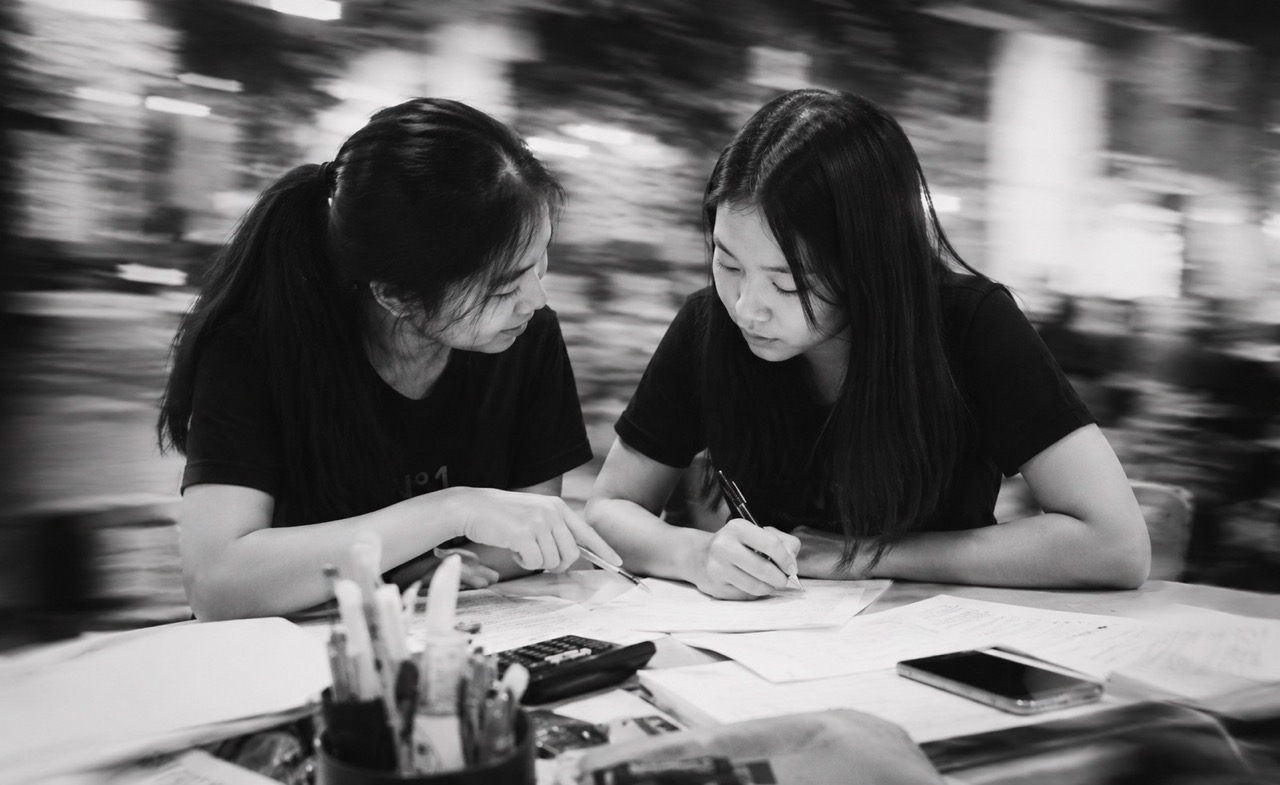
eduKate Singapore supports Primary and Secondary learners through small-group tuition, subject teaching and a growing education library. This legacy gateway remains available to help families understand where to go next: Primary tutorials, Secondary tutorials, tutor-life reflections, learning materials and contact routes.
Quick Read
- Primary: English, Mathematics and Science learning routes built around strong foundations, guided practice and increasing independence.
- Secondary: English, E-Mathematics, A-Mathematics and Science routes that connect conceptual understanding to examination execution.
- Small groups: the format gives tutors room to observe actual student work, respond to misconceptions and adjust the next task.
- Learning goal: not simply completing more work, but helping the learner understand what they are doing, why it works and how to reproduce it independently.
How we think about progress
When a student struggles, the useful question is not merely “How many marks were lost?” We look for the earliest point at which performance changes: understanding the idea, selecting a method, carrying the method through several steps, maintaining accuracy, transferring knowledge to an unfamiliar question, or managing the demands of an examination. Once that point is clearer, teaching can become more precise.
Our aim is progressive transfer of responsibility. A tutor may initially explain, model and prompt heavily; over time, the student should need less prompting, make better decisions independently and be able to explain their own method. Improvement is therefore measured not only by the final answer, but by the quality and reliability of the thinking that produces it.
Choose the route that matches the learner
Use the sections below to move into the appropriate Primary or Secondary pathway, learn more about our teaching life, browse materials, or contact eduKate Singapore. For current syllabus and examination requirements, always rely on the most recent official MOE and SEAB information alongside our educational guidance.
#learning, #understanding, #knowledge, #tenacity, #retention, #inspiration, #curiosity, #success
Build a strong foundation!


Our Primary Tutorials
Primary learning is about building foundations that remain usable later. In English, Mathematics and Science, we teach new ideas explicitly, model how to apply them, guide practice and then reduce support as the student becomes more secure.
Marked work and independent attempts help us decide what comes next. A wrong answer may come from misunderstanding the concept, choosing the wrong method, missing a step, weak language, or simple execution error. The teaching response should match the cause rather than merely add more worksheets.
As examinations approach, timed and past-paper practice becomes more useful when the underlying knowledge is already stable. We use it to test transfer, accuracy and exam readiness—not as a replacement for learning the topic properly.

Our Secondary Tutorials
Secondary students must do more than remember content. They need to select methods, connect ideas across topics, manage longer chains of reasoning and perform reliably under examination conditions. Our English, E-Mathematics, A-Mathematics and Science tutorials therefore combine subject understanding with increasingly independent application.
When results fall, we look for the earliest weak link. A student may understand a concept but fail to transfer it to an unfamiliar question; know the method but lose accuracy midway; or perform well in practice but poorly under time pressure. Locating that difference makes revision more efficient and feedback more useful.
The longer-term goal is a student who can explain the reasoning, check the work and make better decisions without waiting for a tutor to supply every next step.

Our Lives as eduKate Tutors
The lesson a student sees is only part of the work. Tutors prepare examples, review previous attempts, think about likely misconceptions and decide what evidence would show that a learner has genuinely understood.
Our tutor-life reflections show some of that quieter work: preparation, observations, classroom decisions and the ordinary routines that sit behind a useful tutorial. They are reflective pieces rather than syllabus or enrolment pages.

Learning Materials
Materials are most useful when they answer a learning need. Our resource pages collect worksheets, practice material and supporting references used across different stages of learning. Some resources are historical; where curriculum or examination requirements may have changed, check current official guidance as well.
Choose material because it helps clarify, practise or test a specific skill. Keep the student’s working, identify the earliest meaningful error, repair that point and then check whether the improvement transfers to a fresh question.

“It’s not that I’m so smart, it’s just that I stay with problems longer.”
–Albert Einstein
Persistence matters in learning, but persistence is most productive when it is paired with understanding and feedback. We encourage students to stay with a difficult problem long enough to identify what is blocking them, test a method, inspect the result and try again with better information. The aim is not struggle for its own sake. It is to build the capacity to remain engaged, notice what is not working and make a more informed next move.
“Chains of Habit Are Too Light to Be Felt Until They Are Too Heavy to Be Broken”
Warren Buffett.
Habits matter because learning is cumulative. Rather than treating mistakes as character flaws, we use them as evidence. A repeated error may point to an unclear concept, an unreliable routine, weak checking or a task that is carrying too much cognitive load at once. The response should therefore be specific: make the thinking visible, repair the weak step, practise it deliberately, and help the student build a routine that can eventually run without external prompting.
“The highest activity a human being can attain is learning for understanding, because to understand is to be free.”
Baruch Spinoza
Resilience in education is not about dividing children into winners and losers. It is the ability to recover information from an unsuccessful attempt, revise a strategy and try again with greater clarity. Students need both challenge and support: enough difficulty to require real thinking, and enough guidance to prevent confusion from becoming the only lesson. Over time, the goal is a learner who can recognise setbacks, respond constructively and continue with increasing independence.
Question: What goes up but never goes down?
Join us!
Find out how to book a slot at edu|Kate Tuition Centre.
Build a strong foundation!