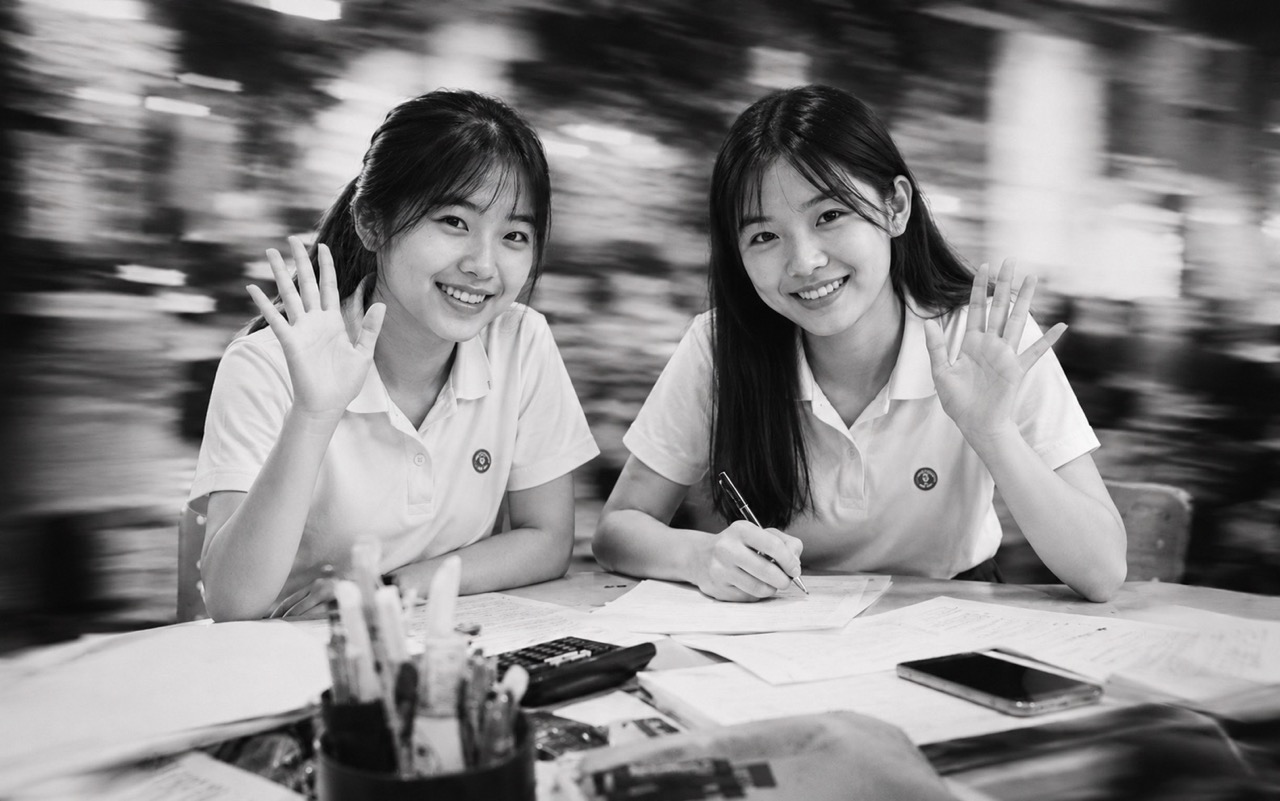
The Good Guide to Secondary English Tutorial for GCE O-Levels in Small Groups
Quick Summary:
- Improving English Skills: Tailored approach focusing on comprehension, essay writing, and oral skills.
- How to Learn: Personalized strategies, interactive lessons, regular practice and feedback.
- How to Prepare: Develop a study schedule, use relevant resources, regular reviews and self-assessment.
- What Can Be Done: Engage a tutor, create an immersive English environment, participate in co-curricular activities.
- Reasons to Invest: Higher performance in exams, enhanced language proficiency, improved cognitive abilities.
Introduction
The General Certificate of Education (GCE) O-Level is a vital academic qualification in many parts of the world. English, being an internationally recognized language, plays a significant role in this examination. Secondary English tutorials, particularly in smaller groups, can be an efficient way to prepare. Let’s explore the ways we can boost English learning for your child’s success in their GCE O-Level exams.
The Power of Small Groups in Secondary English Tutorials for GCE O-Levels
The Small Group Advantage
The size of a tutorial group can significantly impact a student’s learning process. In the context of secondary English tutorials for GCE O-Levels, small group learning offers several distinct advantages:
- Personal Attention: In smaller groups, tutors can provide individualized attention, adapting their teaching style to the learning pace and style of each student.
- Active Participation: Small groups encourage students to actively engage in the learning process, promoting more meaningful interactions, discussions, and collaborative problem-solving.
- Peer Learning: In small groups, students can learn from each other, sharing insights, clarifying doubts, and enhancing their understanding of complex concepts.
- Boosted Confidence: In a smaller, safer environment, students are more likely to voice their thoughts and ask questions, enhancing their confidence.
Implementing Small Group Learning
Successfully implementing small group learning requires a strategic approach. Here’s how tutors can maximize the potential of small groups:
- Dynamic Group Composition: Tutors can ensure groups are composed of students with diverse strengths, fostering peer-to-peer learning and collaboration.
- Focused Lessons: Tutors can tailor lesson plans to address the specific needs of each small group, focusing on areas where they struggle the most.
- Regular Feedback: By working closely with a small number of students, tutors can provide consistent, individualized feedback, aiding in continuous improvement.
Real-World Applications of Small Group Learning
Several international platforms advocate for and incorporate small group learning:
- Khan Academy, a global non-profit educational organization, endorses the ‘LearnStorm’ growth mindset activities designed for small groups.
- Cambridge Assessment International Education, a provider of international qualifications, encourages active, learner-centric teaching methods, such as small group learning.
By investing in small group secondary English tutorials for GCE O-Levels, parents can provide their children with a conducive environment for learning. This method, while fostering academic success, also prepares students with skills such as collaboration, critical thinking, and communication, that are essential for future endeavours.
Improving English Skills
Secondary English tutorial for GCE O-levels can significantly enhance a student’s English proficiency. Here are the areas tutors generally focus on:
- Reading Comprehension: Tutoring sessions can help students better comprehend complex texts, interpret meanings, and analyze an author’s perspective.
- Essay Writing: Tutors assist in improving grammar, punctuation, and vocabulary. They help students to articulate ideas, structure arguments, and develop a compelling writing style.
- Oral Skills: Fostering confident speaking and listening abilities, tutors aid in improving pronunciation, fluency, and conversation skills.
How to Learn
Learning is a unique process that varies from student to student. The beauty of a secondary English tutorial for GCE O-Levels is its customizable approach.
- Personalized Strategies: Tutors identify students’ strengths and weaknesses and tailor strategies to target their unique learning needs.
- Interactive Lessons: Engaging, interactive lessons boost student interest and make learning enjoyable.
- Regular Practice and Feedback: Practice reinforces learning while constructive feedback helps students understand their improvement areas.
How to Prepare
Preparation for GCE O-Levels English requires a structured approach. Here are some steps that can be followed:
- Develop a Study Schedule: Consistent studying over a period is more beneficial than last-minute cramming. A well-planned schedule can ensure all areas of the syllabus are covered.
- Use Relevant Resources: Utilize textbooks, past papers, and online resources to supplement learning. Websites such as British Council provide useful resources.
- Regular Reviews and Self-assessment: Regular revision and self-assessment through quizzes and practice papers aid in cementing knowledge.
What Can Be Done
In addition to tutorials, there are several other ways to enhance English proficiency:
- Engage a Tutor: Hire a competent tutor who can guide your child through the learning process in an effective and personalized way.
- Create an Immersive English Environment: Encourage English conversations at home, read English books, watch English movies, and listen to English songs or podcasts.
- Participate in Co-curricular Activities: Encourage participation in activities like debate clubs, drama societies, and writing competitions that can improve English skills.
Reasons to Invest
Investing in a secondary English tutorial for GCE O-Levels can yield various benefits:
- Higher Performance in Exams: Tutorials can help students master exam techniques, leading to higher scores.
- Enhanced Language Proficiency: Regular practice and guidance can help students achieve fluency in English, enhancing their communication skills.
- Improved Cognitive Abilities: Learning a language can boost cognitive abilities such as problem-solving, critical thinking, and creativity.
Secondary English tutorial for GCE O-levels in small groups can make a substantial difference in your child’s academic journey. By choosing this path, you’re investing not only in their exam success but also in a skill set that will benefit them throughout their lives. Make the choice today and pave the way for your child’s bright future.
Click here to enrol at eduKateSingapore.com
