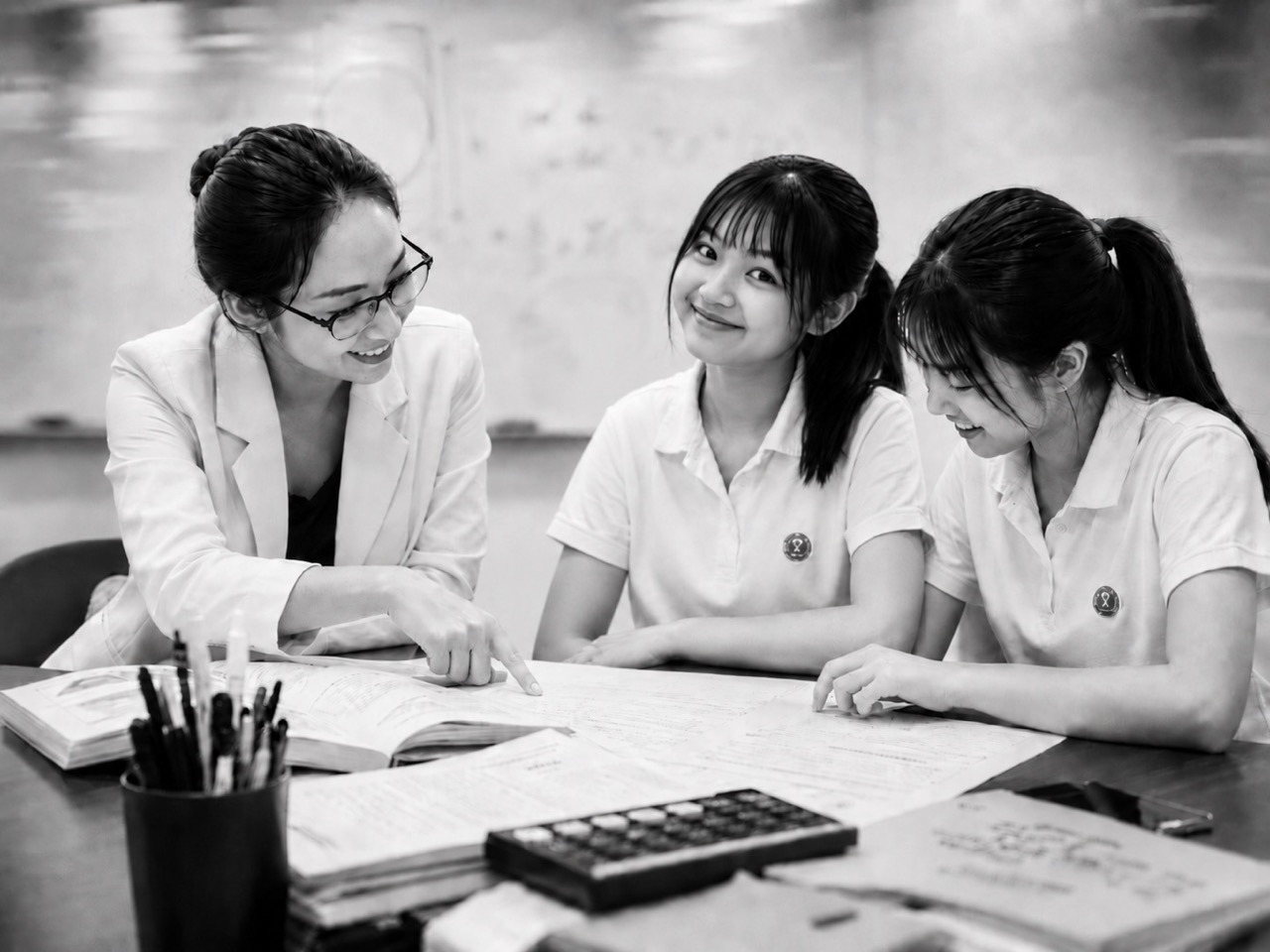
Primary 4 Science Tutors in Punggol: Nurturing Future Innovators
Primary 4 Science Tutors in Punggol: When it comes to education, there’s no one-size-fits-all approach. Individual learning needs vary and this is where Punggol Pri 4 Science tutors step in. In this technologically advanced age, having a strong foundation in Science and Mathematics is crucial and equipping your child with these skills early on can set them up for success.
Why Choose Punggol Pri 4 Science Tutors?
Choosing Punggol Pri 4 Science tutors provides an unparalleled opportunity for your child to delve deeper into scientific concepts. These tutors understand the curriculum and assessment methods, providing a tailored approach to suit your child’s learning style. Beyond teaching content, they instil an appreciation for science, developing critical thinking skills that are vital for Maths and English.
Effective Learning Strategies: An Overview
Before we delve further, here are some of the key strategies adopted by Punggol Pri 4 Science tutors:
- Personalised Lessons: Tutors design lessons based on a child’s strengths and weaknesses.
- Interactive Learning: They use multimedia resources for a more engaging experience.
- Problem-Solving Skills: Tutors encourage logical thinking to solve scientific problems, helpful in Maths too.
- Critical Reading: Tutors promote understanding over rote-learning, which benefits English language comprehension.
Expanding Learning Horizons
In a world where STEM fields are in high demand, science education is a fundamental stepping stone. Science tutoring at Punggol prioritises developing a child’s curiosity, analytical skills, and problem-solving abilities – essential skills that permeate through Mathematics and English subjects too. Punggol Pri 4 Science tutors harness your child’s natural curiosity, helping them understand and interpret the world around them through a scientific lens. This not only increases their scientific literacy but also enhances their numerical and verbal skills, giving them a well-rounded education.
Advantage of Small Group Tuition
While some parents might lean towards individual tuition, there are numerous benefits to small group tuition. In addition to fostering a collaborative learning environment, Punggol Pri 4 Science tutors can also stimulate group discussions, enhancing the child’s communication skills – a vital element for English language proficiency.
Resources for Parents and Students
Here are some great sites that can complement your child’s science tuition in Punggol:
- Khan Academy (https://www.khanacademy.org): A vast array of Science and Math lessons for free.
- National Geographic Kids (https://kids.nationalgeographic.com): Engaging content that sparks curiosity and adventure in Science.
- BBC Bitesize (https://www.bbc.co.uk/bitesize): Comprehensive lessons including Science, Maths, and English.
Harnessing Technology: The Future of Learning
In today’s digital age, the approach to education has transformed. Punggol Pri 4 Science tutors embrace this change, incorporating technology into their teaching methods. Online resources, interactive simulations, and digital assignments enrich the learning experience, providing an exciting, immersive environment for your child to learn and explore. Have a look at our Science Materials packed full of information:
Final Thoughts
The importance of quality education in the early stages of a child’s life cannot be overstated. As parents, you want to ensure that your child receives the best. With their expert knowledge and innovative teaching methods, Punggol Pri 4 Science tutors are equipped to provide a comprehensive, holistic education that will prepare your child for the challenges of the future. Remember, the goal isn’t just about scoring high in tests. It’s about nurturing a love for learning, cultivating critical thinking skills, and fostering an appreciation for the world around them. With Punggol Pri 4 Science tutors, you can rest assured your child is on the right path.
