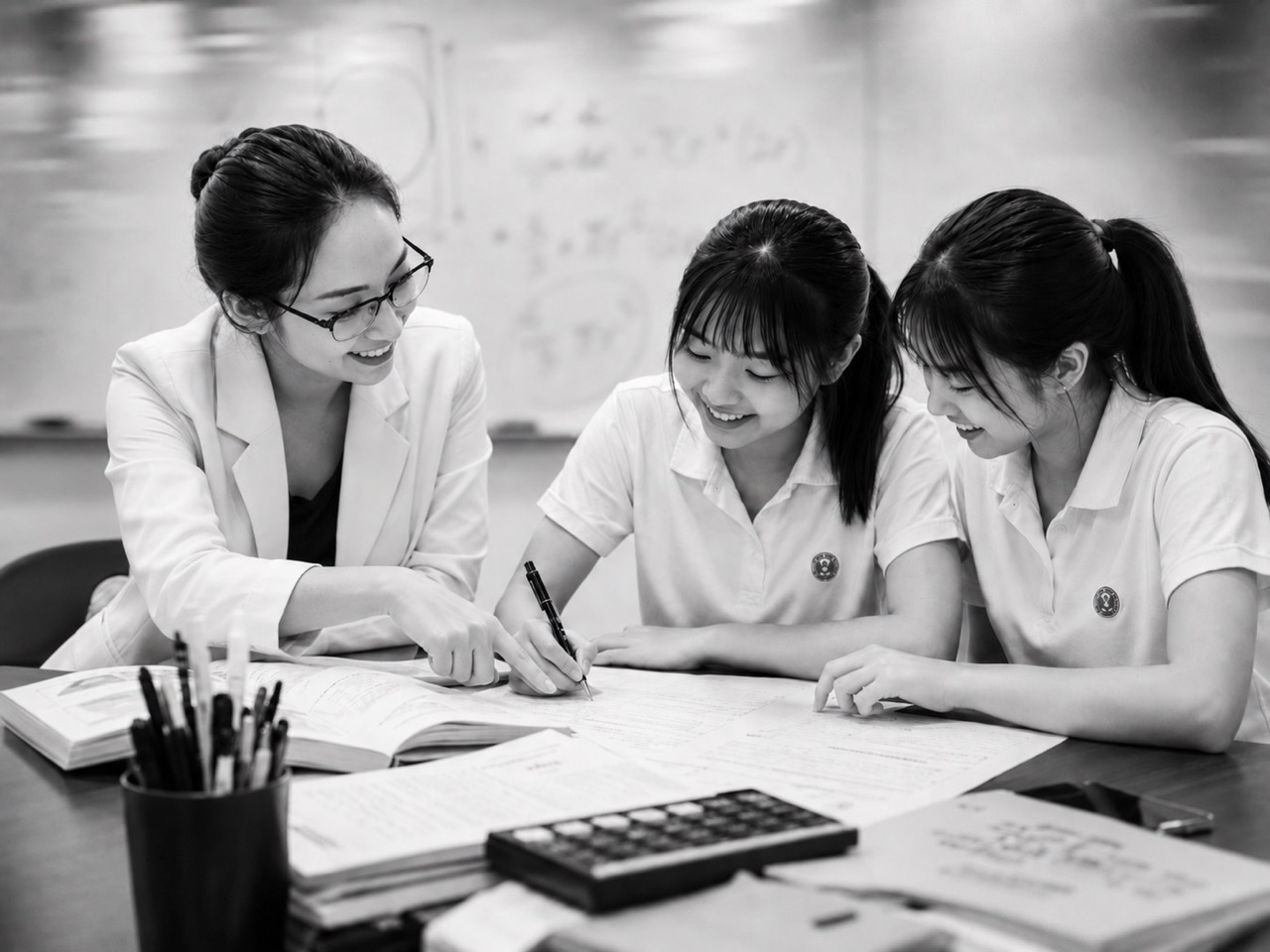
Sengkang English Tuition: Guiding Secondary 3 Students towards Excellence
Teaching English to Secondary 3 students at Sengkang English Tuition involves various aspects, including enhancing comprehension skills, refining writing abilities, boosting speaking and listening skills, and polishing grammatical proficiency. Our tutors work meticulously to ensure our students are equipped with the necessary knowledge and skills to excel in their studies. In this article, we’ll outline our approach to teaching solid Secondary 3 English.
Have a look at our Secondary Materials:
- To are our main page: Secondary English Tuition
- Latest GCE O’levels syllabus are found here
- This is the Official Website of Singapore Ministry of Education
Understanding the Needs of Secondary 3 Students
Before diving into our teaching strategies, it’s essential to understand the academic needs of a Secondary 3 student. At this level, students should have a solid foundation in English and be ready to tackle more advanced concepts. The transition to Secondary 3 is a step towards greater academic challenges, including preparing for the O Levels examination.
Mastering Comprehension Skills
At Sengkang English Tuition, we prioritize strengthening students’ comprehension skills. We expose our students to a variety of text types, including fiction, non-fiction, poetry, and articles on current affairs. We teach them strategies to understand the main idea, infer information, identify language and structural features, and deduce the writer’s intentions.
Enhancing Writing Abilities
Effective writing is a pivotal part of Secondary 3 English. Our tutors help students to develop their writing skills through practice and personalised feedback. We cover different types of essays and situational writing, including argumentative essays, discursive essays, formal letters, speeches, and reports. Students are taught to articulate their thoughts clearly, structure their writing logically, and use language effectively to engage their readers.
Developing Listening and Speaking Skills
Effective communication is a vital life skill, and we incorporate activities to boost our students’ speaking and listening skills. We conduct regular listening exercises, followed by discussions to improve their understanding of spoken English in different contexts. Additionally, our lessons provide opportunities for students to express their thoughts and engage in discussions to enhance their speaking skills.
Refining Grammar and Vocabulary
Grammar and vocabulary are the building blocks of the English language. At Sengkang English Tuition, we provide systematic lessons on grammar rules and usage. We also encourage students to expand their vocabulary, using different methods, including vocabulary lists, reading exercises, and regular vocabulary tests.
Exam-Oriented Teaching
While our teaching goes beyond just exam preparation, we understand the importance of equipping students with the skills to excel in examinations. We provide students with strategies to tackle different sections of the exam, regular practice with past year papers, and comprehensive feedback to help them understand their strengths and areas for improvement.
Personalised Attention
Every student is unique, and so are their learning needs. At Sengkang English Tuition, we keep our class sizes small to ensure each student receives the attention they deserve. Our tutors take time to understand each student’s learning style, strengths, and areas for improvement, and tailor their teaching methods to suit the individual needs of the students.
Conclusion
Sengkang English Tuition is dedicated to providing our Secondary 3 students with a robust English education. We believe that with the right guidance and effort, every student can excel in English and use it as a tool to unlock greater opportunities. With our team of experienced tutors and our comprehensive curriculum, we are committed to guiding our students towards academic success.
Click here to enrol at eduKateSingapore.com
Build a strong foundation!
