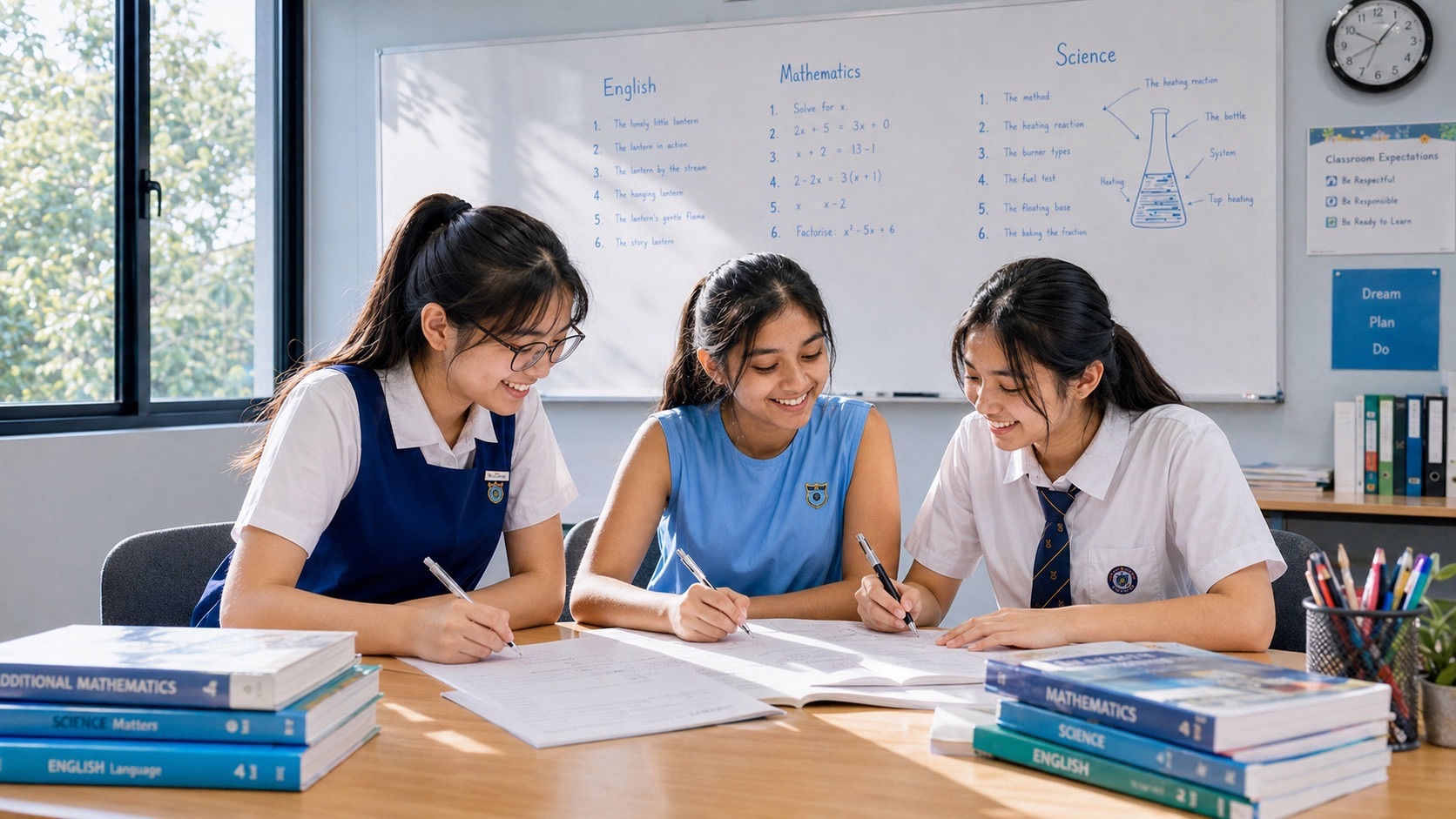
Three learners review open books together at a classroom table, with stacks of textbooks, stationery and a whiteboard in the bright room.

What Is a Near Miss in Healthcare? | Learning From Errors Before They Cause Patient Harm

A near miss in healthcare is an error, hazard or unsafe event that could have harmed a patient but did not, either because it was detected in time or because chance prevented injury.

Near misses are valuable because they reveal weak points in a system before those weaknesses produce actual harm.

A Near Miss Is Not “Nothing Happened”

The absence of injury does not mean the underlying risk was unimportant. If the same conditions remain, a future patient may not be as fortunate.

Near Misses Can Occur Anywhere

Examples include an incorrect medicine intercepted before administration, a wrong-patient specimen identified before testing, or a critical result noticed just before discharge.

Near Misses Differ From Medical Errors

A medical error describes the failed action or plan. A near miss describes the outcome state in which that error or hazard did not reach the patient or did not cause harm.

See What Is a Medical Error?.

Reporting Creates Learning

When near misses are captured, healthcare systems can examine workflow, communication, equipment, labelling and responsibility before a more serious event occurs.

Patient Safety Uses Near Misses as Early Warning Signals

They can identify system vulnerabilities that ordinary outcome statistics miss because no injury occurred.

See What Is Patient Safety?.

The Near-Miss Loop

hazard or error → interception before harm → report → analyse contributing factors → strengthen safeguard → monitor recurrence.


Educational boundary: This article explains near misses conceptually. Actual safety events should be handled through the appropriate healthcare organisation and professional processes.

Explore the connected learning guides

Choose the question that brought you here. Open one useful guide, try a small task, and stop when you have what you need.

Take one question further

The same learning habit can travel across subjects, while each subject keeps its own methods. These routes help you notice a difficulty, understand one part of it, and return to something you can do.

A word is familiar, but using it is difficult.

Move from recognising a word to retrieving it in a new context. Understand vocabulary plateaus.

Try it without the guide: Choose one word you already know. Close the guide and use it in a new sentence. Explain why it fits; try another context tomorrow.

A piece of writing has ideas, but the reader loses the thread.

Make the order of events and the links between sentences clear. Explore composition writing.

Try it without the guide: Choose one short paragraph. Read the relevant explanation, close it, and revise the paragraph. Ask someone to tell you what happened and why.

The Mathematics seems familiar, but marks still disappear.

Find the first point where the working stops being reliable. Find Secondary 4 A-Math mark leakage.

Try it without the guide: For a Secondary 4 A-Math question you have attempted, locate the first uncertain line. Repair that step, then try a comparable question without the worked answer.

A Science fact is remembered, but the explanation is incomplete.

Connect the evidence to a scientific idea and the resulting change. Follow the Primary Science learning route.

Try it without the guide: Choose a familiar Primary Science example. Explain the evidence, the idea and the result without notes. Then change one condition and explain your prediction.

Two accounts of the world seem to disagree.

Check the question, source, date and evidence before combining claims. Explore the World Knowledge research library.

Try it without the guide: Take one claim. Find the source best placed to support it, note its date, and state what remains uncertain. Return to your original question.

There is plenty of help, but independence is hard to see.

Check what the learner can understand and do after support is removed. Understand how education works.

Try it without the guide: Choose one small task the child has practised. Agree on a calm, brief attempt without prompts. Use what happens to choose one next step, then stop.

For the structure behind these connections, read the eduKateSingapore runtime manifest and the eduKate ecosystem boot contract. The reader map describes public navigation; those manifests preserve the wider ownership and return rules.

Discover more from eduKate SG

Subscribe now to keep reading and get access to the full archive.

Continue reading