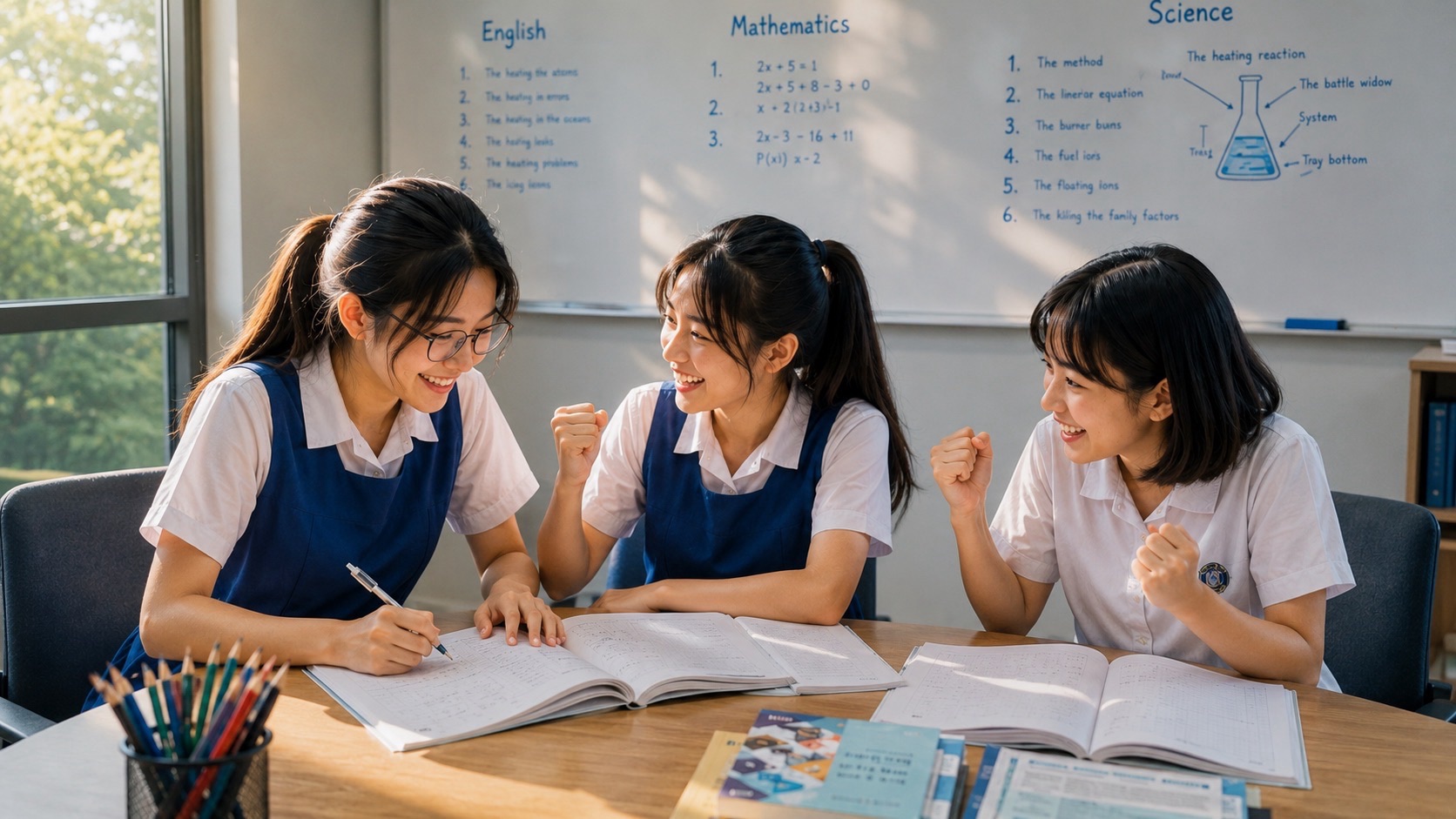
Top 10 Things to teach your child during the June Holidays for Primary Students
Engage and Educate: Fun and Educational Activities for Primary Students During the June Holidays
Hey parents, the June holidays are just around the corner! While it’s a great time for our kids to relax and unwind, it’s also a perfect opportunity to keep their minds active and bodies moving. With a little creativity and planning, you can turn this holiday break into a fun-filled and educational journey for your primary schoolers. Here’s a rundown of some fantastic activities that not only entertain but also educate, ensuring your kids return to school refreshed and perhaps even with a few new skills under their belts!
So, this June, let’s make the most of the holidays. By integrating these fun and educational activities into their time off, you’re not just keeping their minds sharp—you’re also giving them skills and experiences that extend far beyond the classroom. Happy holidays!
Top 10 Things to Learn
Teaching primary students during the June holidays can be a great opportunity to engage them with fun and educational activities that are different from the regular school curriculum. Here are some ideas across various subjects:
- Science Experiments
- Plant Growth: Teach them how to plant seeds and track their growth over the holidays.
- Simple Machines: Explore basic physics by building simple machines like levers and pulleys.
- Math Games
- Math Scavenger Hunt: Create a scavenger hunt where each clue involves solving a math problem.
- Budgeting Exercise: Give them a pretend budget to spend on holiday activities.
- Creative Writing
- Story Writing: Encourage them to write a short story or a comic strip.
- Poetry: Introduce them to simple poems and encourage them to write their own.
- Arts and Crafts
- Recycled Art: Use recyclable materials to create art projects.
- Cultural Crafts: Teach them to make traditional crafts from different cultures.
- Outdoor Activities
- Nature Walks: Organize a nature walk to teach them about local flora and fauna.
- Sports Day: Set up a mini Olympics or a sports day with various activities.
- Music and Dance
- Instrumental Workshops: Introduce basic instruments like the ukulele or keyboard.
- Dance Classes: Teach simple dance routines from different genres.
- Cooking Classes
- Simple Recipes: Teach them to make simple dishes like sandwiches, salads, or smoothies.
- Cultural Foods: Introduce dishes from different cultures.
- Educational Trips
- Museums or Science Centers: Plan a trip to a local museum or science center.
- Historical Sites: Visit local historical sites and teach them about the area’s history.
- Technology and Coding
- Basic Coding: Introduce them to coding through games and simple programming platforms.
- Robotics: Teach basic robotics using simple kits.
- Mindfulness and Wellbeing
- Yoga for Kids: Teach basic yoga poses and mindfulness activities.
- Emotional Intelligence Games: Help them understand and express their emotions through games and discussions.
1. Science at Home
Why not kickstart their holidays with some hands-on science experiments? Activities like planting seeds can teach kids about biology and the environment. They can chart the growth of their plants, which teaches responsibility and basic scientific methods. Or, explore physics with simple machines. Building a pulley to lift toys can make learning about forces and motion a lot more engaging than textbook diagrams.
2. Math Through Play
Math doesn’t have to be about worksheets. How about a math scavenger hunt where each clue requires solving a problem to move to the next? Or, you could do a budgeting exercise where they plan a small holiday party within a set budget. These activities teach math in practical contexts, enhancing problem-solving and decision-making skills.
3. Unleash Creativity with Writing and Arts
Encourage your child to write a story or a poem. This not only improves their writing skills but also lets their imagination soar without the pressure of grades. Arts and crafts, particularly with recycled materials, can spark creativity and teach sustainability. Creating cultural crafts offers a wonderful window into the traditions of different societies, fostering a global perspective.
4. Get Active Outdoors
Organizing nature walks or a mini sports day not only keeps them physically active but also teaches them about teamwork and the natural world. Activities like these are essential for developing a healthy lifestyle and appreciation for the environment.
5. Dance and Music
Music and dance are fantastic ways for children to express themselves. Hosting a simple dance class or introducing them to an easy-to-learn instrument can improve their auditory skills and physical coordination. Plus, it’s a lot of fun!
6. Junior Chefs in the Kitchen
Cooking can be a delightful way for kids to learn about nutrition and culinary skills. Let them help you prepare meals, or even better, let them take the lead on simple recipes. This fosters independence and basic life skills, and who knows? You might just have a budding chef in your midst.
7. Explore and Learn
A visit to a museum, science center, or historical site can make history and science come alive. These visits stimulate curiosity and can ignite a lifelong love for learning and exploration.
8. Coding and Robotics
Introducing basic coding and robotics can set the foundation for logical thinking and problem-solving skills. There are plenty of kid-friendly platforms that make learning these skills feel more like playing a game than taking a class.
9. Mindfulness and Well-being
Teaching kids yoga and mindfulness can help them manage stress and develop concentration. Emotional intelligence games are great too, as they teach children to understand and manage their emotions effectively.
Why Bother?
You might wonder, “Why fill their holidays with learning activities?” Well, these activities are designed not just to keep them busy, but to enrich their knowledge, strengthen their social, emotional, and physical development, and keep them engaged with the world around them in meaningful ways. Moreover, they provide wonderful opportunities for you to bond with your kids, creating lasting memories together.
These activities not only keep the children occupied but also help them learn new skills and knowledge in an enjoyable way.
For parents looking to keep their primary school-aged children engaged and learning during the June holidays in Singapore, there are plenty of exciting and educational activities to choose from:
- Science and Adventure Camps: Newton Show offers science camps where kids can enjoy themed activities like science experiments and interactive learning sessions. These camps are perfect for fostering curiosity and critical thinking skills (KidsSG).
- Art and Drama Workshops: Act3 International provides creative workshops for young children, including storytelling and performance arts that focus on fairy tales and classic stories. These workshops encourage creativity and expression through drama (KidsSG).
- Sports and Physical Activities: The FunFam SportFest at Singapore Sports Hub offers a variety of sports activities that parents can enjoy with their children, such as team games and sport-specific skills sessions. This is a great way to stay active and bond over shared experiences (BYKidO).
- Water Activities: HydroDash, located at Palawan Beach, is an inflatable water park where kids can enjoy obstacle courses and other fun water-based activities. It’s suitable for children aged five and up and is a great way to cool down in the Singapore heat (The Mindful Camp).
- Cultural and Educational Outings: The Singapore Discovery Centre hosts the “I-SCREAM SDC” event, which includes interactive puppet shows and a range of engaging activities designed to be both fun and educational for all ages (BYKidO).
- Local Leisure and Outdoor Activities: Visiting local leisure centres or swimming at council pools can be a budget-friendly way to enjoy the holidays. Leisure centres often offer a variety of classes and activities suitable for children of all ages (The Mindful Camp).
- Exploring Nature and Parks: East Coast Park is one of Singapore’s largest parks and offers a beach, mini-golf, and many other recreational activities. It’s an excellent place for children to explore and enjoy outdoor fun at no cost (The Mindful Camp).
Each of these activities provides unique opportunities for learning, physical activity, and creative expression, helping to ensure that the holiday period is both fun and beneficial for children. If you’re interested in specific events or need more detailed information, it’s a good idea to check out websites like BYKidO and the individual event pages for up-to-date details and booking options (BYKidO).
Fun Facts: Top 10 Things to teach your child during the June Holidays for Primary Students
Here are some fun and educational activities you can teach your child during the June holidays, along with some interesting facts about how these activities can benefit their development:
1. Grow a Garden Together
Fun Fact: Gardening teaches children about responsibility and the life cycle of plants. It’s a hands-on way to learn about nature, biology, and the environment. Plus, it’s a great opportunity to bond as a family while contributing to sustainability (The Infinity School).
2. Explore Local Museums or Heritage Trails
Fun Fact: Visiting museums or heritage trails can boost your child’s understanding of history and culture. In Singapore, places like the Changi Heritage Trail offer insights into the country’s past, making history come alive in a way that textbooks can’t (Asianparent).
3. Engage in Science Experiments at Home
Fun Fact: Simple at-home experiments, like building a baking soda volcano, can ignite a child’s curiosity about science. These activities help develop critical thinking and problem-solving skills while being incredibly fun and memorable(Oxford Learning).
4. Practice Language Skills with Board Games
Fun Fact: Board games like Scrabble and Boggle are not only entertaining but also highly effective in improving vocabulary, spelling, and critical thinking. They make learning a competitive and enjoyable experience (Geniebook).
5. Start a Collection
Fun Fact: Collecting items such as stamps, coins, or even leaves can enhance organizational skills and attention to detail. It also gives children a sense of achievement and pride in their growing collection (The Infinity School).
6. Keep a Holiday Journal
Fun Fact: Encouraging your child to keep a journal during the holidays can improve their writing skills and emotional intelligence. It helps them reflect on their experiences and express their thoughts and feelings creatively (The Infinity School).
7. Participate in Local Festivals
Fun Fact: Attending local cultural festivals, like the Dragon Boat Festival, allows children to immerse themselves in traditions and cultural practices, enriching their understanding of the world around them (Asianparent).
8. Solve Puzzles Together
Fun Fact: Puzzles like Sudoku improve logical thinking, pattern recognition, and concentration. These skills are crucial for academic success and can be developed in a fun, relaxed environment (Geniebook).
9. Plan a Family Staycation
Fun Fact: A staycation can be just as enriching as traveling abroad. It provides an opportunity to relax and bond as a family while exploring local attractions you might otherwise overlook (The Infinity School).
10. Create Art Projects
Fun Fact: Engaging in art projects like mosaic drawing or Mandala art helps fine-tune motor skills and encourages creative expression. It’s also a fantastic way for children to explore color theory and design elements (The Infinity School).
These activities not only keep your child engaged during the holidays but also contribute to their overall development. Each activity is designed to make learning fun and memorable, ensuring that your child continues to grow both intellectually and emotionally during their break. For more ideas, you can explore additional resources on sites like The Infinity School, The Asian Parent, and Child Mind Institute.