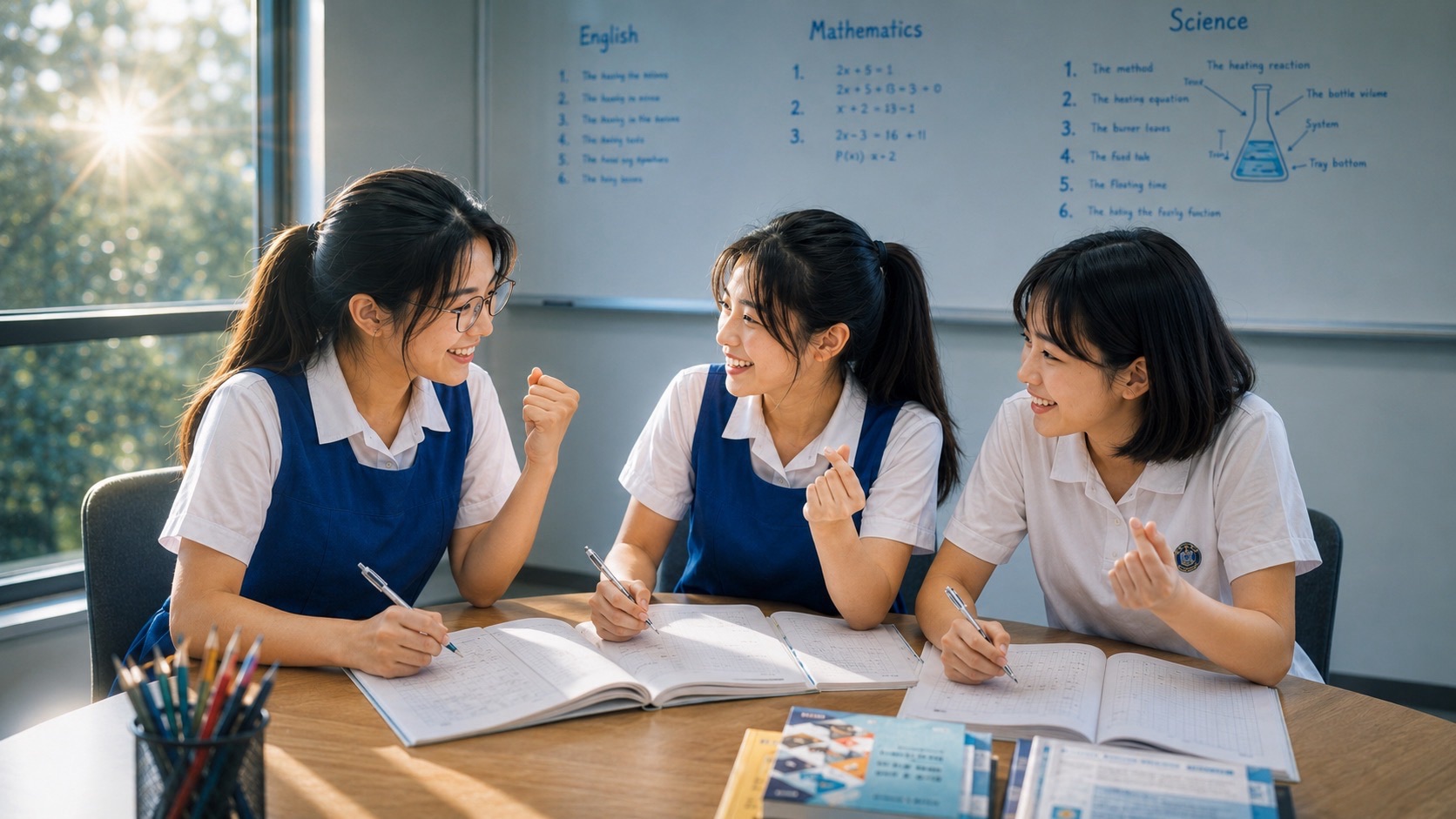
In today’s fast-paced society, students are constantly pushed to excel in their studies and outperform their peers. In the world of education, competition is a driving force for success. The desire to outperform one’s peers, to achieve the highest grades, and to gain admission to the best universities is a constant pressure on students. While some level of competition can be healthy and motivating, there are concerns that it can also have negative impacts on students’ well-being. As such, it is crucial for educators and parents to find a balance between encouraging competitiveness and supporting students’ overall well-being. To be competitive:
- Set clear goals and objectives for your academic and personal life
- Develop a positive mindset and believe in your own ability to succeed
- Stay organized and manage your time effectively to balance your academic workload and other commitments
- Seek out opportunities for personal and academic growth, such as volunteering, internships, or research projects
- Foster healthy competition and collaboration with your peers to push each other to be better
- Stay up-to-date with the latest trends and innovations in your field of study
- Continuously work on developing new skills and knowledge to stay ahead of the curve
- Seek feedback from your teachers and mentors to identify areas for improvement and growth
- Cultivate good study habits, such as active reading, note-taking, and practice questions
- Take care of your physical and mental health by getting enough sleep, eating well, and managing stress effectively
Being competitive is essential for success in today’s world. However, it is equally important to balance a competitive student’s life to avoid burnout and maintain good mental and emotional health. By setting priorities, managing time effectively, cultivating a support system, and taking care of physical and mental health, students can achieve a healthy balance in their academic and personal lives. In the world of education, competition is a driving force for success. The desire to outperform one’s peers, to achieve the highest grades, and to gain admission to the best universities is a constant pressure on students. But how do we balance the pursuit of success with the well-being of students? In this essay, we will explore the benefits and challenges of creating competitive students, as well as strategies to help students succeed while maintaining their health and happiness.
One of the benefits of fostering competition among students is that it can encourage them to work harder and strive for excellence. It can also help them develop important skills such as goal-setting, perseverance, and time management. In addition, competition can prepare students for the real world where competition is often a part of daily life.
However, the pressure to constantly compete and outperform others can have detrimental effects on students’ mental health and well-being. Students may experience stress, anxiety, and burnout as they strive to meet the expectations placed upon them. Additionally, a hyper-competitive environment can also create a culture of comparison and unhealthy competition, leading to feelings of inadequacy and low self-esteem among students.
To create a healthy and balanced environment for students, it is important for educators and parents to encourage healthy competition while also promoting well-being. One approach is to emphasize the importance of personal growth and improvement rather than focusing solely on winning or outperforming others. This can help shift the focus from external validation to personal growth and development.
Another approach is to provide opportunities for collaboration and teamwork. When students work together towards a common goal, they can learn to appreciate each other’s strengths and work together to achieve success. This approach also helps create a culture of support and encouragement, rather than one of unhealthy competition.
It is also important to create an environment where students feel safe and supported. This can be achieved by providing resources for mental health support and counseling, as well as offering open communication channels between students, educators, and parents. Educators and parents can also model healthy behaviors and attitudes, such as prioritizing self-care and recognizing the importance of balance in life.
Being competitive is an essential trait to have. This competitiveness can drive individuals to perform at their best, achieve their goals, and be successful. However, for students, being competitive can come at a cost. The pressure to excel academically, participate in extracurricular activities, and maintain a social life can be overwhelming. As a result, students may experience stress, anxiety, and burnout. With proper management, it is important to find a balance that allows students to be competitive without sacrificing their mental and emotional well-being.
One of the key ways to balance a competitive student’s life is by setting priorities. Students need to know what is most important to them and focus on those priorities. For example, if academic excellence is a priority, students may need to sacrifice some social events or extracurricular activities to ensure that they have enough time to study and complete their assignments. On the other hand, if a student’s social life is a priority, they may need to adjust their academic goals to ensure that they have enough time to socialize with friends and family.
Another important factor is time management. Students need to learn how to manage their time effectively to balance their academic, social, and personal lives. This can be achieved by creating a schedule and setting aside time for different activities. For example, students can set aside specific hours for studying, attending extracurricular activities, spending time with friends, and engaging in personal hobbies.
Furthermore, it is important to cultivate a support system for students. Family, friends, teachers, and counselors can offer encouragement and guidance to help students manage the pressure of being competitive. They can provide a safe space for students to discuss their feelings and seek advice on how to balance their academic and personal lives.
It is also essential for students to take care of their physical and mental health. A healthy body and mind can improve one’s academic performance and overall well-being. Therefore, students should engage in regular physical activity, eat a balanced diet, and get enough sleep. Additionally, practicing stress-reducing activities such as meditation, yoga, or deep breathing exercises can help students manage their stress and anxiety levels.
In conclusion, fostering competition among students can be a valuable motivator, but it is important to balance this with a focus on overall well-being. By promoting personal growth, teamwork, and a supportive environment, educators and parents can create a healthy and balanced environment that encourages healthy competition and personal development.
