Sengkang Secondary 1 English Tuition | Baseline Diagnostic for the Secondary Transition
Secondary 1 English is easier to improve when the first diagnosis is specific. A student may have carried strong vocabulary into secondary school but weak inference; another may understand a text but produce vague answers; another may have good ideas but unstable sentence control. A baseline diagnostic separates these causes before practice time is allocated.
What the Baseline Checks
- Reading: literal understanding, inference, evidence and answer precision.
- Writing: purpose, paragraph organisation, development and sentence control.
- Vocabulary and grammar: accurate use in context rather than isolated recall.
- Oral and listening: understanding spoken information and developing supported responses.
What a Useful Diagnostic Produces
The result should be actionable: the two or three highest-value weaknesses, the likely cause behind each one, a short sequence of repair tasks and a transfer check on changed work. That is more useful than simply labelling the student “weak in English.”
Long-Term Direction, Not Premature Drilling
SEAB’s 2027 SEC G3 syllabus index lists English Language K300, and the K300 English Language syllabus assesses writing, comprehension, listening and oral communication. At Sec 1, this is a direction of travel rather than a reason to turn lessons into final-year drilling.
For programme and enrolment information, see Sengkang Secondary 1 English Tuition for Small Groups. This older URL is retained for its narrower diagnostic job.
Legacy Archive Note
Historical photographs, captions and older location material remain below as archive. They should not be read as current Sengkang location or programme claims.
Call +65 88231234 for current Sengkang Secondary 1 English tuition information. This legacy URL now serves as a baseline diagnostic page: checking which primary-school English skills have transferred into Secondary 1 and which reading, writing, vocabulary, grammar or oral weaknesses need priority repair.
We are:
Baseline job: identify the two or three skills most likely to limit Secondary 1 English progress.
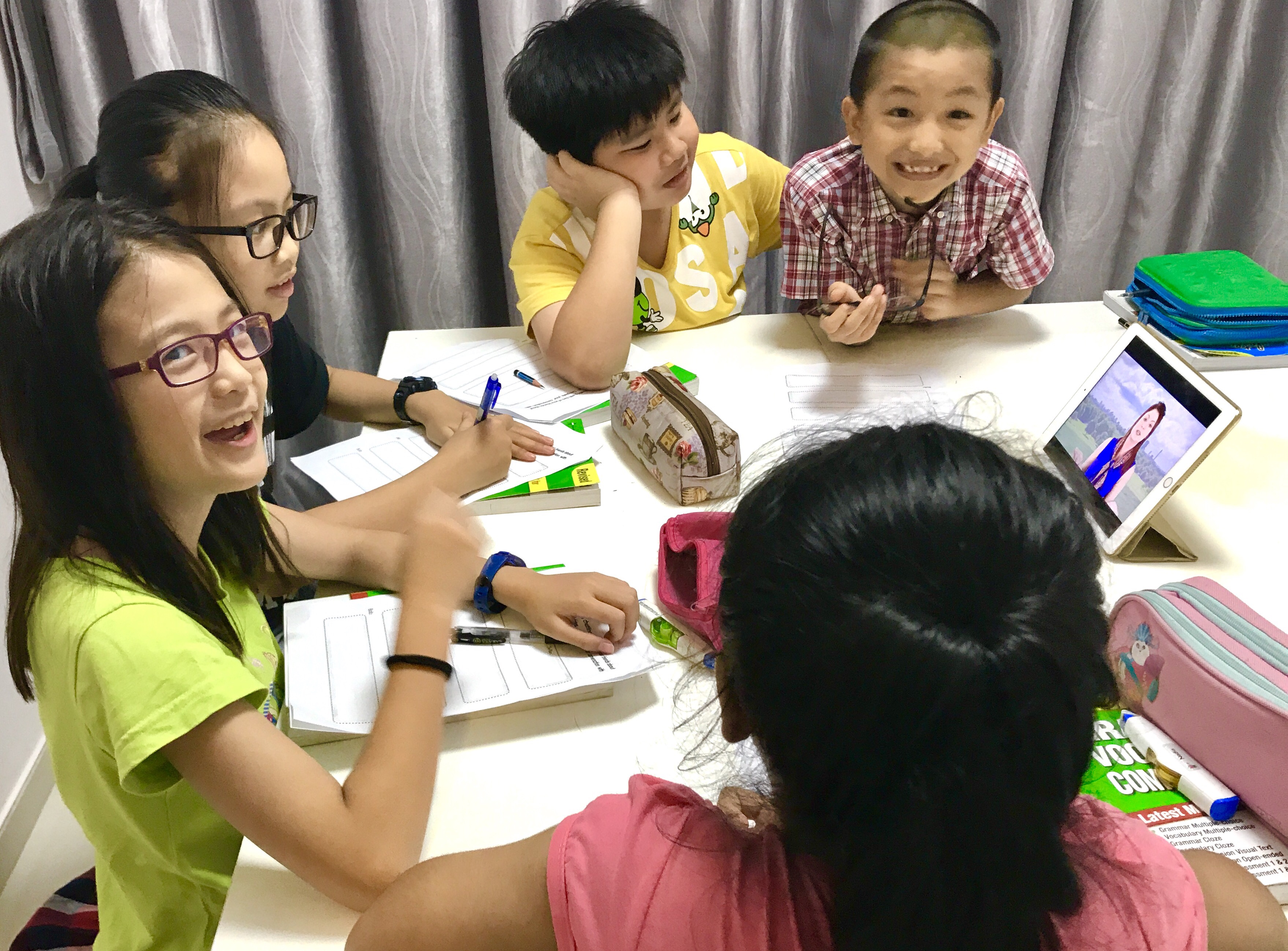
Small Groups 3 pax.
Easy to understand tuition.
Comprehensive teaching.
Technology driven classroom.
A useful Secondary 1 baseline starts with the student’s actual schoolwork. We inspect whether errors come from understanding the text, selecting evidence, organising writing, controlling sentences, applying vocabulary and grammar, or explaining ideas aloud. The point is to locate the limiting skill before adding more practice.



This page is specifically for Sengkang Secondary 1 English. Historical Yishun address and cross-location service copy has been retired from current guidance; families should use eduKate Singapore’s present programme and contact information.
English tuition with Tutor Yuet Ling. With Singapore school’s requirement for English as a First language, our primary aim in teaching English are highly focussed on tasking English student’s communication skills to be competent as well as to be an effective, accurate and efficient tool to absorb and relay information to others.
English is Singapore’s main language of communication and it is imperative that our student’s English Language skills are on parity with the requirements set forth by the Ministry of Education to study well in school. It is the main skill that will help students to perform consistently across their other subjects as their ability to understand and use English effectively will help them to comprehend what is taught in class and asked in tests.
Our Sengkang Secondary 1 English teaching uses current schoolwork to identify the earliest habits limiting the Primary-to-Secondary transition. The useful measure is whether the student can understand, explain, write and revise with growing independence—not an outdated exact tenure claim.
In Sengkang Secondary 1 English, students are trained to understand increasingly demanding reading and listening material, then express ideas with clearer structure and language. Improvement is checked on changed passages and tasks so the transition skill transfers beyond one corrected exercise.
English is one of Singapore’s principal languages of education and public life. At Secondary 1, the priority is to extend Primary foundations into more independent reading, listening, speaking and writing so students can handle increasingly complex ideas with clarity and control.
Call +65 88231234 for current Sengkang Secondary 1 English class information.
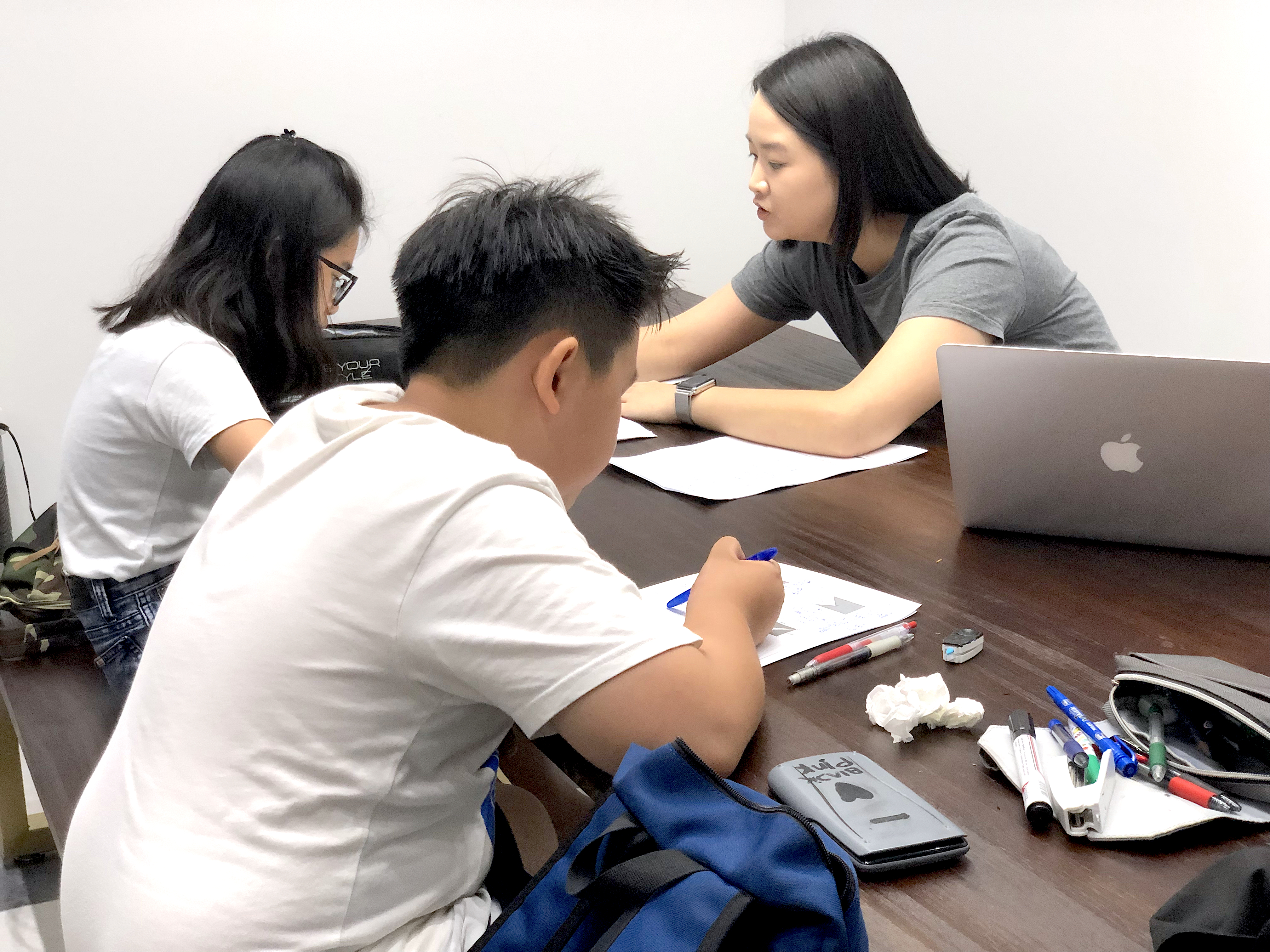










The current educational guidance above is for Sengkang Secondary 1 English. The photographs that follow come from older eduKate collections across different levels and locations; they are retained as historical media rather than current Sengkang programme claims.
Call +65 88231234 for current Sengkang Secondary 1 English class information.


Learn English and make it useful.
Working with parents can support the Secondary 1 transition when home routines protect regular reading, writing and review without replacing independent work. The tutor identifies the current weak habit, the student practises the repair under changed conditions, and progress is judged by whether the improvement appears again in new schoolwork.
Class Culture
A useful Secondary 1 diagnostic culture makes errors visible. Students should be able to explain why they chose an answer or sentence, accept correction and then reproduce the improved decision independently on changed work.