Sembawang Primary 2 English Tuition | Reading Meaning and Sentence Control
Sembawang Primary 2 English tuition should consolidate the foundations laid in Primary 1 and make them more dependable. The useful question is whether the child can read short texts for meaning, use new vocabulary in context, form increasingly accurate sentences, listen carefully, answer relevantly and begin writing connected ideas without depending on constant prompting.
The Primary 2 Job
- Reading: understand what is happening, identify key details and explain simple reasons from the text.
- Vocabulary: learn words through stories and contexts, then reuse them accurately elsewhere.
- Grammar and sentence control: build complete sentences, notice common errors and correct them with decreasing help.
- Writing: connect sentences into a clear sequence rather than produce isolated lines.
- Listening and oral: follow information, read aloud meaningfully and give answers that fit the question.
Check Transfer, Not Just Completion
A child may complete a worksheet after a tutor explains it and still not own the skill. We therefore change the sentence, passage or topic and ask the child to use the same idea again. If the skill survives the change, it is becoming useful. If it disappears, the explanation or practice needs another cycle.
Current Singapore Primary English Alignment
The MOE English Language Syllabus 2020 for Primary Schools provides the appropriate framework for Primary 2 English, with communication, comprehension and purposeful language use developed together. The SEAB 2026 PSLE English Language syllabus is a useful long-term destination reference, but Primary 2 teaching should concentrate on foundations rather than premature PSLE drilling.
What Progress Looks Like
Parents should begin to see the child reading with greater attention to meaning, giving less random answers, using taught vocabulary in another context, forming clearer sentences and sustaining short pieces of writing with less prompting. These small behaviours are more informative than worksheet quantity because they show that language is becoming usable.
Legacy Archive Note
Older photographs and historical material remain below as part of eduKate’s archive. Yishun, Punggol, Mathematics or travel references in old media should not be read as current Sembawang Primary 2 programme or location information.
Call +65 88231234 for current Sembawang Primary 2 English tuition information. This page focuses on reading for meaning, vocabulary in context, sentence control, early connected writing, listening and oral confidence.
We are:
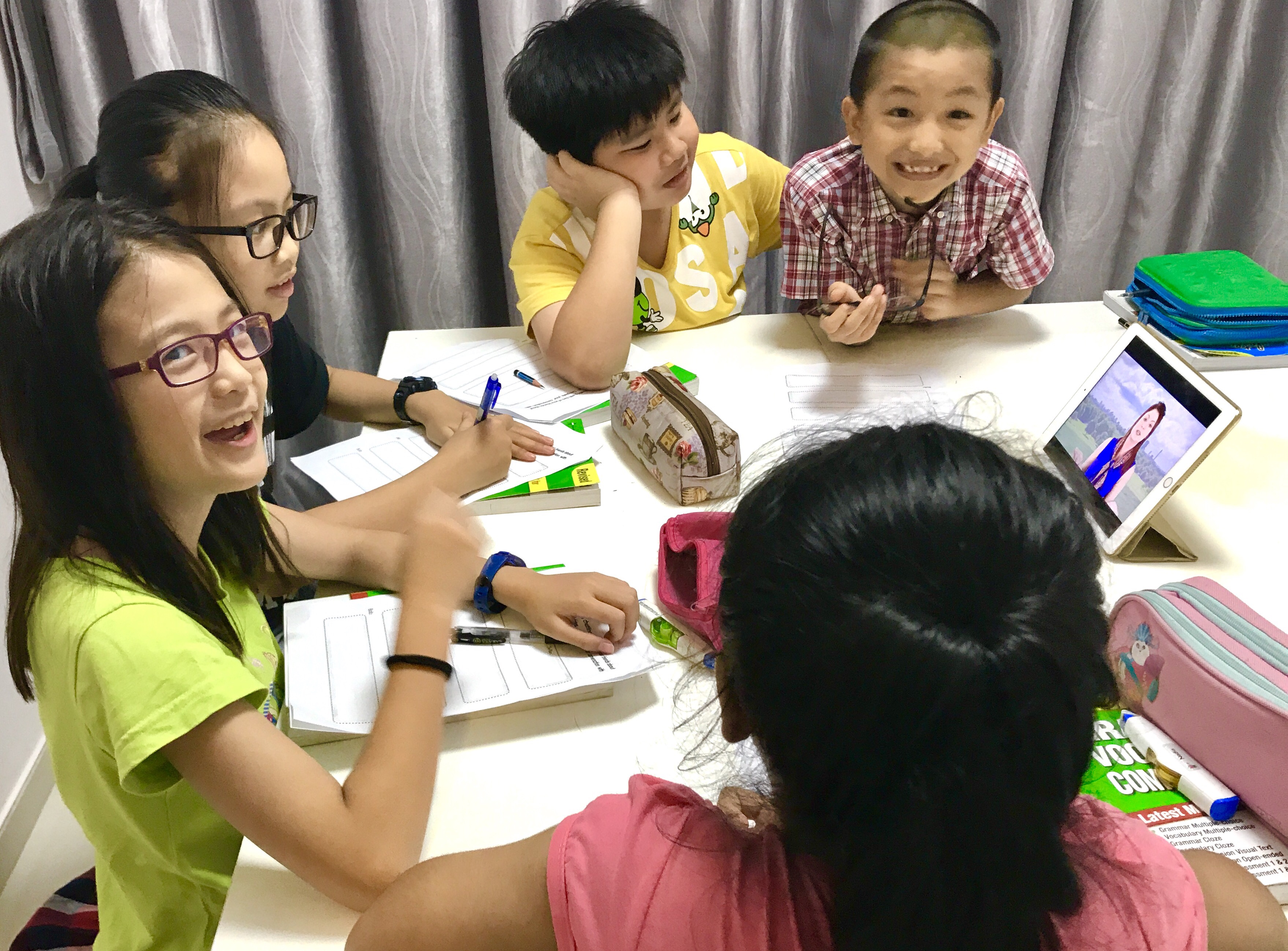
3-pax focus: close observation of reading meaning, sentence formation and independent reuse.
Small Groups 3 pax.
Easy to understand tuition.
Comprehensive teaching.
Technology driven classroom.
Primary 2 English works best when reading, vocabulary, grammar, speaking and writing reinforce one another. Rather than sending families to an old external tuition-site link, this page now keeps the guidance on eduKate Singapore and focuses on the language foundations relevant to this level.



This page is specifically for Sembawang Primary 2 English. Historical Yishun address text, including the old 664 Yishun Avenue 4 reference, has been retired from current guidance; families should use eduKate Singapore’s present contact information.
English tuition with Tutor Yuet Ling. With Singapore school’s requirement for English as a First language, our primary aim in teaching English are highly focussed on tasking English student’s communication skills to be competent as well as to be an effective, accurate and efficient tool to absorb and relay information to others.
English is Singapore’s main language of communication and it is imperative that our student’s English Language skills are on parity with the requirements set forth by the Ministry of Education to study well in school. It is the main skill that will help students to perform consistently across their other subjects as their ability to understand and use English effectively will help them to comprehend what is taught in class and asked in tests.
Our Sembawang Primary 2 English teaching uses current student work to identify which language foundations need attention. The emphasis is on observable reading, sentence, writing, listening and speaking progress—not on an outdated exact number of years in business.
With that in mind, our Sembawang English classes are geared to teach and train our students to be able to understand the media that they read or hear, and to have the ability to express and communicate their complex thoughts and ideas to others naturally. Any improvements in information absorption and dissemination will automatically translate to cognitive skills and ultimately, help students to do well in their studies.
English is one of Singapore’s principal languages of education and public life. At Primary 2, the priority is to make reading, listening, speaking and writing habits more reliable so the child can understand school language and communicate with growing independence.
Call +65 88231234 for current Sembawang Primary 2 English class information.
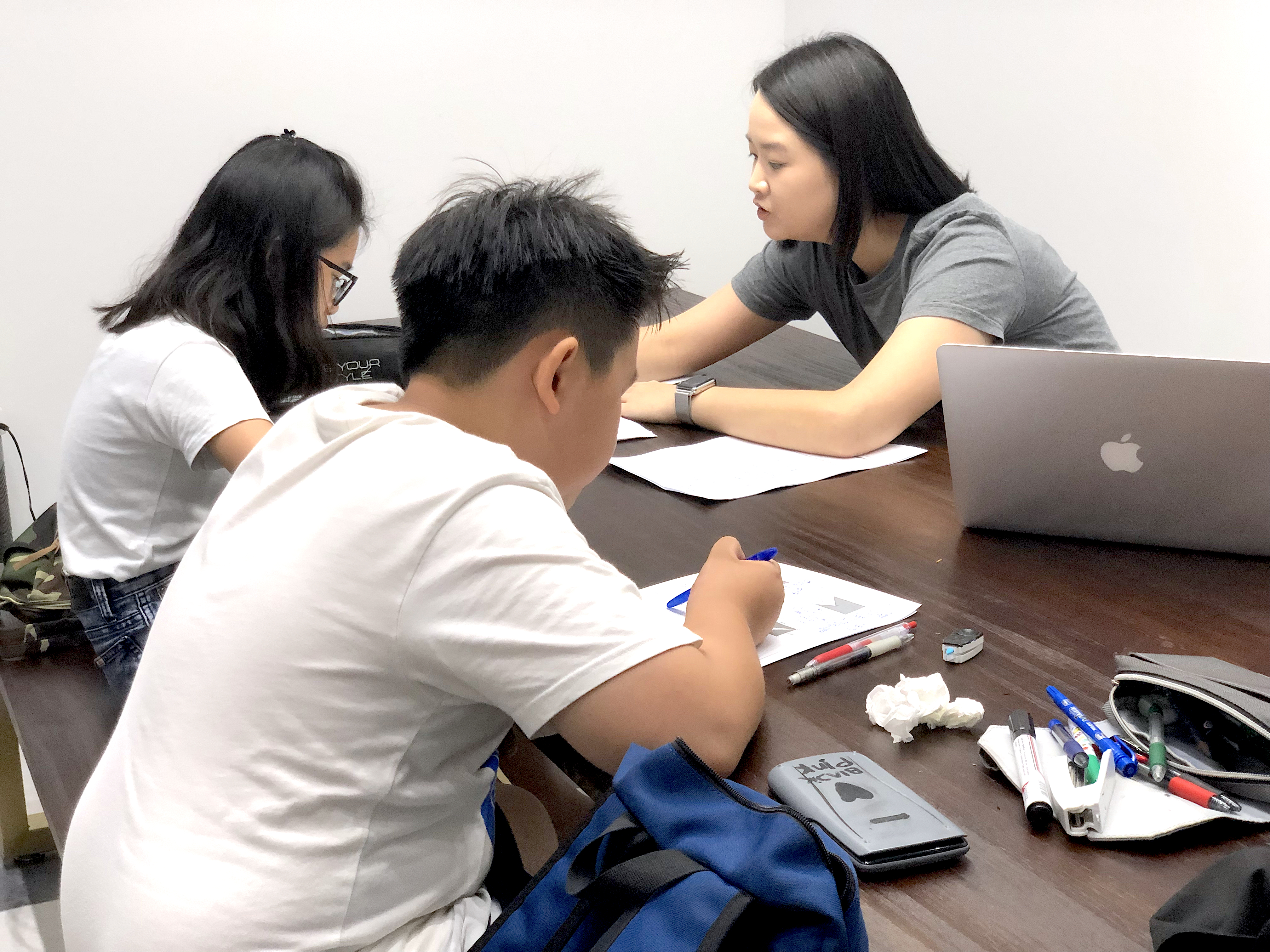












The current educational guidance on this page is for Sembawang Primary 2 English. Photographs below are retained from older eduKate collections across different locations and levels; they are historical media, not current programme or location claims.
Call +65 88231234 for current Sembawang Primary 2 English class information.


Learn English and make it useful.
Working with parents can support Primary 2 English when home routines encourage regular reading, conversation and short writing without replacing the child’s independent effort. The tutor identifies one foundation to strengthen, the child applies it in a changed context, and progress is judged by whether the skill returns naturally in later schoolwork.
Class Culture
A constructive Sembawang Primary 2 class culture makes it safe to explain an idea, make a mistake, correct it and try again. In a 3-pax setting, each child should have enough space to speak, read aloud, write independently and show whether a correction can be used again without copying the tutor.