A child can be an excellent reader and still be an uncertain writer.
This often surprises parents. The student reads novels comfortably, understands difficult passages, speaks intelligently about characters and ideas, and may even score well in comprehension. Yet when a composition or extended response begins, the writing becomes thin, repetitive or structurally loose.
The problem is not necessarily a lack of English ability. It may be a missing bridge between receiving language and organising language for another reader.
Reading Strength Does Not Automatically Become Writing Control
Reading and writing share vocabulary, grammar, world knowledge and sensitivity to structure. But writing adds several new jobs. The student must decide what matters, sequence it, select evidence or scenes, manage paragraph purpose and anticipate what the reader does not yet know.
A strong reader may recognise an elegant paragraph instantly without yet being able to build one from a blank page.
First Identify Where the Writing Breaks
- The student has ideas but cannot choose which ones deserve space.
- The opening is fluent but the middle loses direction.
- Paragraphs contain sentences without a clear shared job.
- Vocabulary is strong but inserted decoratively rather than precisely.
- The student can discuss a text intelligently but cannot organise the same thinking in writing.
- Revision changes individual words but not structure.
These are architecture and production problems, not reading-volume problems.
Use Reading as Evidence of Craft
Strong readers already possess a large library of examples. English enrichment can teach them to inspect that library deliberately.
Why did the writer begin with this scene? Why is one paragraph short? Why is a detail repeated? How does the writer move from evidence to interpretation? What information is deliberately withheld until later?
The goal is not to copy the passage. It is to extract a transferable writing decision.
Strong Readers Often Need More Selection, Not More Ideas
A child who reads widely may have too many possible ideas rather than too few.
The writing becomes crowded because every interesting detail feels worth including. The tutor’s job is to teach selection: which point changes the argument, which scene causes the next event, which quotation actually proves the claim, which sentence can be removed without loss.
Good writing is not the maximum amount of language a student can produce. It is controlled language serving a clear purpose.
Do Not Solve This With More Model Essays Alone
Model writing can show what strong structure looks like. It becomes a problem when the student begins borrowing the visible surface rather than learning the underlying decisions.
A strong reader is particularly capable of absorbing style quickly. That can produce polished imitation while leaving independent architecture weak.
Ask the student to plan first, then compare with models. Ownership should come before imitation.
Discussion Can Become a Bridge Into Writing
Some strong readers think well aloud but lose organisation on paper.
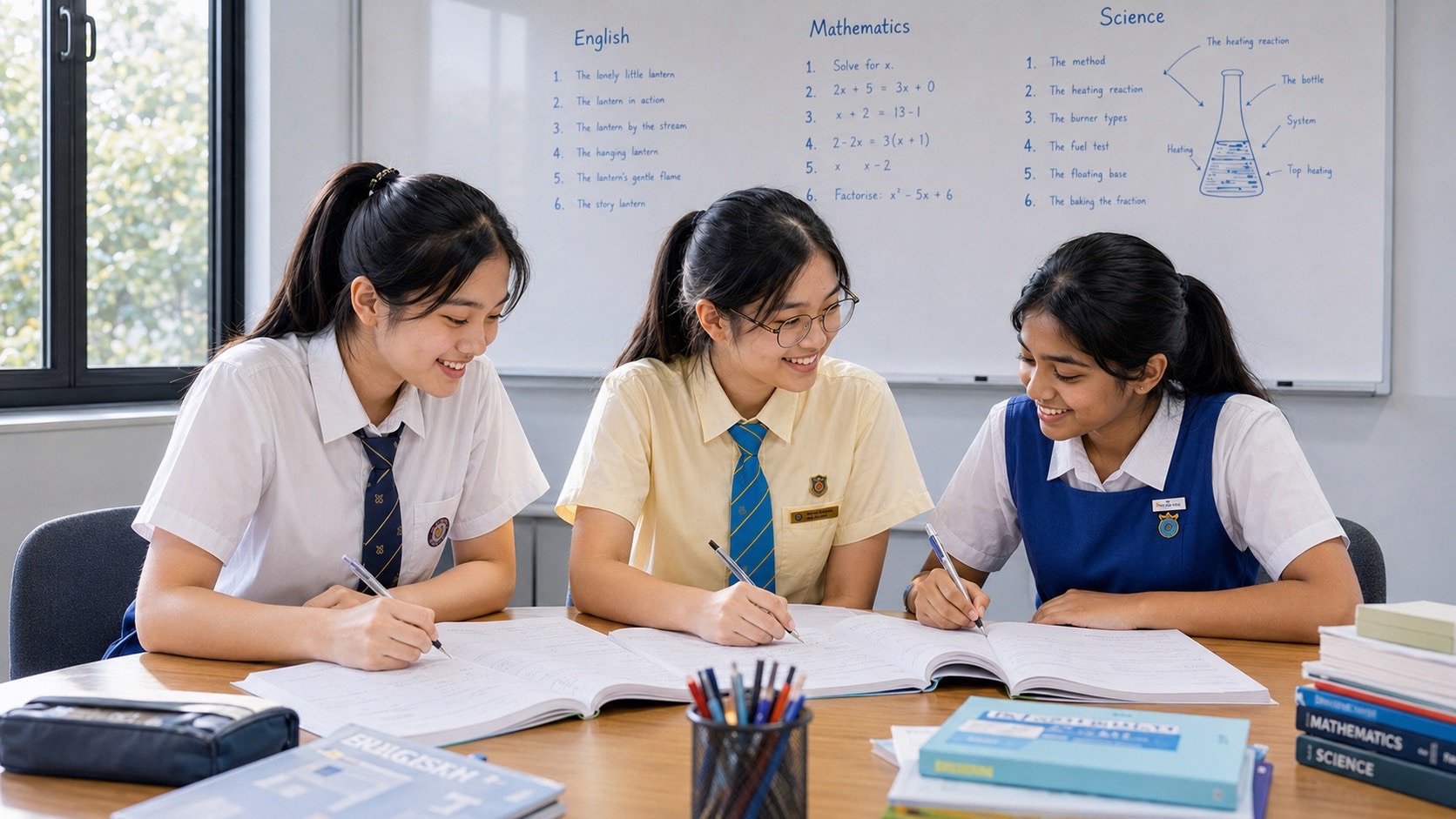
In a three-student tutorial, the learner can first explain a position verbally, hear another student challenge it and then convert the improved reasoning into a written paragraph.
This makes the transition visible: idea → evidence → qualification → paragraph.
Sentence Quality Is Not the Same as Writing Quality
Strong readers often produce attractive individual sentences. The larger weakness may be coherence across sentences and paragraphs.
A tutor should therefore ask questions at several scales: Is this sentence clear? Does this paragraph have one dominant job? Does this paragraph belong here? Does the whole piece move toward a conclusion or consequence?
Writing improves when control operates at all four levels.
Revision Is the Missing Skill for Many Strong Readers
A capable reader can often tell that another person’s paragraph is weak. The next step is applying the same judgement to personal work.
Ask the student to identify where the writing becomes vague, where a claim lacks evidence, where a scene is unnecessary or where the conclusion arrives too suddenly. Only after that should the tutor add comments.
Self-diagnosis converts reading judgement into writing judgement.
When More Reading Still Helps
Reading remains valuable when the student’s language range is narrow, ideas are limited or exposure to different forms of writing is weak.
But if the child already reads broadly and writing remains weak, simply assigning more books may avoid the real bottleneck. The learner needs deliberate conversion from reading insight into production.
What Progress Looks Like
- The student plans with a clearer dominant purpose.
- Paragraphs perform distinct jobs.
- Evidence is selected rather than accumulated.
- Vocabulary becomes more precise and less decorative.
- Revision changes structure as well as wording.
- Writing quality survives unfamiliar prompts.
- Tutor prompts reduce.
The Better Parent Question
Instead of asking, “My child reads so much—why is the writing still weak?”, ask: Which decision between understanding a text and constructing one has not yet become independent?
Reading supplies a rich internal library. Writing enrichment teaches the student how to build from it.
Current route: This legacy Marine Parade URL now owns the strong-reader/weak-writer diagnosis rather than a current location claim. For current English navigation, use the English Article Directory and Tuition Programmes Directory.