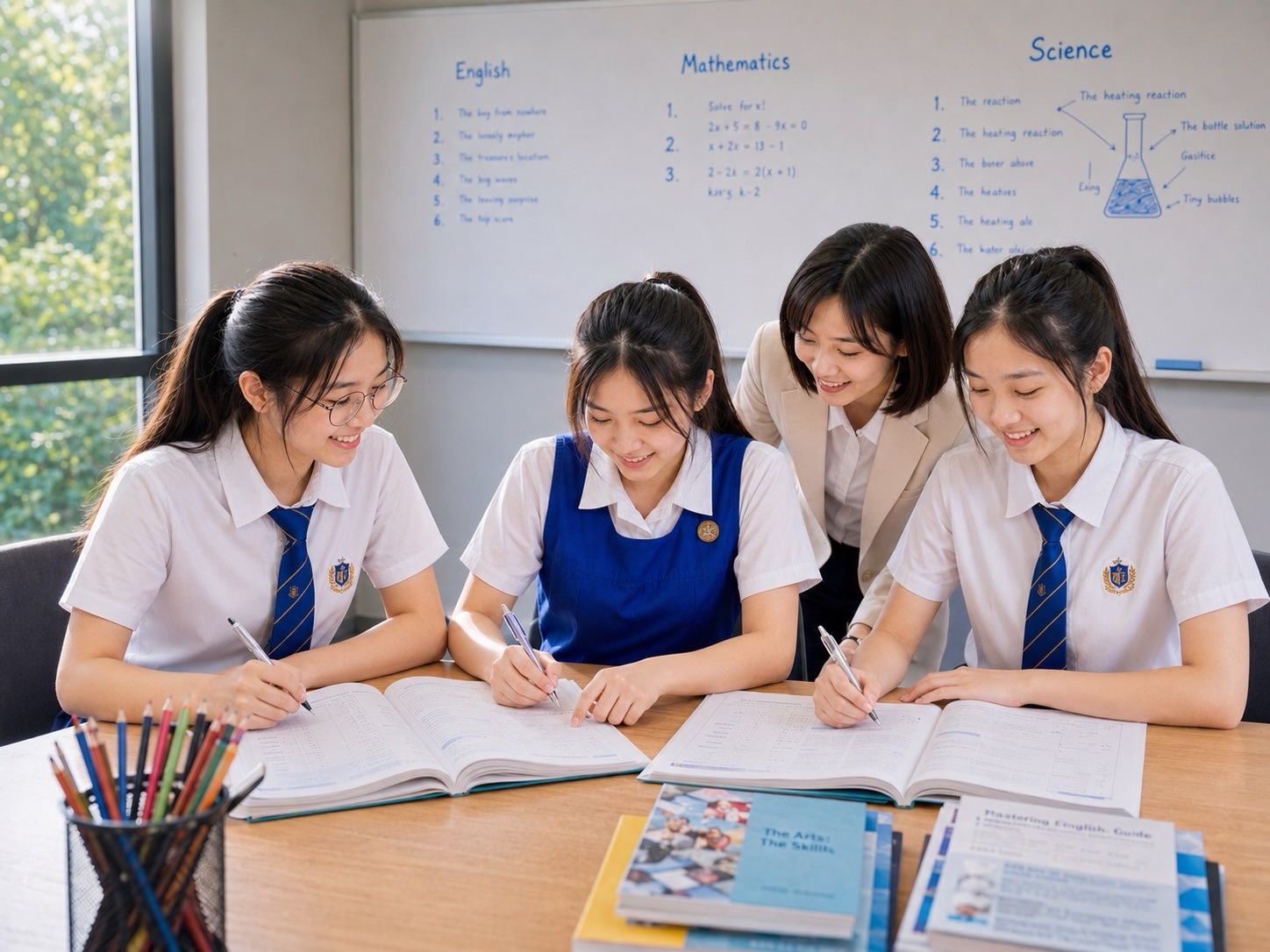
There’s a lot of us that keeps the world turning, but it takes all of us to make the world a myriad rainbow of great and beautiful. An education, a culture, a religion, small steps taken every day, a thought, a conviction. Take strength in being different, slightly off grid and an outlier. There’s nothing wrong with that, and helps to paint a broader canvas, a gamut of characters and skills.

20 years ago, I was introduced to Des’ree You gotta be:
You gotta be who you are, the person inside you is dying to get out. Take an assessment of your past, present and launch into the future. I see my future self, take that first step, and create that path for myself.
Get Stronger:
Learn to stand on your two feet. Get tougher, stronger, take it one step at a day, but don’t keep trying, as days go, strength will come, stamina too.
Love All:
Love everyone, for they are not your enemy. They can have their own prerogatives, their own agendas, problems to deal with. We do too. Not that much different are we? Put ourselves in their shoes, walk around in it, take a feel, wiggle ’em toes. Understanding people around us are the first few things we should do, but yet, seldom happens unless we consiously do so.
Time, my enemy:
Do the things that makes you happy, do the things that makes it worthwhile, time is our enemy, and it goes on without a blink or thought of who we are, what we do, nor think. If we take it for granted, it doesn’t get jealous, it just walks all over us.
Build your own private road:
Walk your walk, take your time paving that road, don’t worry what other people are doing, or where they are in their life. Everyone has their own ideas, enjoy your own. Listen to good advice, forget bad ones. Have the wisdom to decide so.
My oh my….


What “eduKate” Should Mean Beyond a Tuition Timetable
The durable idea behind eduKate is not that every student should become the same kind of high performer. Education should make the learner more capable of understanding, deciding, creating, recovering and contributing while preserving the individuality that makes the learner worth educating in the first place.
Difference Is Not the Same as Disorder
A child who thinks differently, learns unevenly or develops an unusual interest does not automatically need to be normalised. The useful question is whether the difference can be organised into capability: can curiosity become inquiry, intensity become disciplined practice, imagination become creation, and independence become responsibility?
Four Qualities Worth Building
| Quality | What it looks like in learning |
|---|---|
| Integrity | admitting uncertainty, showing real working and using evidence honestly |
| Empathy | understanding another person’s viewpoint before responding |
| Critical thinking | testing assumptions and distinguishing evidence from opinion |
| Responsibility | following through, correcting mistakes and understanding consequences |
Teach the Child, Not Only the Paper
Examinations matter because they test real capabilities under constraints. They should not become the whole definition of education. A student can learn examination control while still being taught to ask better questions, notice the world, explain ideas clearly and understand why knowledge matters outside the paper.
Individuality Needs Standards
Respecting individuality does not mean lowering expectations. In fact, it often requires clearer standards. A student should be free to approach a problem differently, but the reasoning must still work. A writer may have an unusual voice, but the reader must still understand the meaning. A learner may move at a different pace, but progress should still be visible.
Growth Should Be Slightly Uncomfortable
Students grow when work is demanding enough to require adaptation but not so difficult that no route forward is visible. Productive challenge asks the learner to stretch, receive feedback, change strategy and try again. The discomfort comes from growth, not humiliation or overload.
A Learner-Agency Check
- Can the student begin without repeated prompting?
- Can the learner explain why a method or interpretation works?
- Can feedback be turned into a changed next attempt?
- Can the student recover after a failed first approach?
- Can the learner make a responsible decision when no one is watching?
The Long View
The strongest education leaves the learner more useful to the future: able to think independently without becoming isolated, able to compete without losing empathy, able to use knowledge without becoming trapped by grades, and able to keep learning after formal schooling has ended.
Archive Boundary
This 2017 page is best read as an eduKate philosophy archive. It preserves an early statement about individuality and education while giving it a clearer learning architecture for the present library.
The original 2017 page used a 1990s song as a personal point of reflection about identity, courage and becoming more fully oneself. This rebuilt archive keeps that educational idea without reproducing the song lyrics.
Education Should Expand the Student’s Range
A strong education gives a learner more ways to respond to the world. The student can reason when intuition is not enough, communicate when misunderstanding appears, collaborate without surrendering judgement, and persist without confusing persistence with stubbornness. Range matters because the future rarely announces which capability will be needed next.
A Simple Long-Term Test
Ask whether the learner is becoming more capable across unfamiliar situations. Can the child learn a new system, ask a better question, use evidence, make a responsible decision and recover when the first plan fails? Those capabilities outlast any single worksheet or examination paper.