HUMAN & SOCIETY · CITY · DAILY LIFE
A city becomes a living world when people move through it.
A map can show roads, a transport diagram can show stations and a census can tell us how many people live in an area. But daily life appears only when people wake, travel, learn, work, shop, care for others, meet institutions and return home.
The city is not only what has been built. It is what people can actually do, reach and experience inside what has been built.
The same city can contain many different worlds.
Imagine four people using the same train station: a regular commuter, a parent with a young child, a wheelchair user and a first-time visitor. The physical station may be the same, but a lift outage, a crowded platform or unfamiliar signage can create very different journeys.
That is why “the service is operating” does not automatically mean “every person can successfully complete the journey”.
People travel because life creates activities.
A child has to reach school. A worker has to reach a workplace. A family needs groceries. A patient has an appointment. Friends are meeting for dinner. The activity creates a need for a place, and the place creates a travel problem. Transport connects activities; it does not create the whole life.
A household is connected, but it is not one mind.
People in one home share space, resources and responsibilities, yet they do not experience every event identically. The same internet outage can be urgent for a parent in a work meeting, manageable for a child with a mobile hotspot and unnoticed by someone who is asleep.
Households also coordinate journeys through school escorts, shared meals, caregiving, shopping and pickups. These links matter without turning a family into a single decision-maker.
Your home address is not your whole city.
A student living in Sengkang can spend one day at home, on a bus, on the MRT, at school, at a library, at tuition, in a shopping centre and in a park. Where someone lives is therefore different from the city they actually experience.
We change roles as we move.
A teenager can begin the morning as a child in a household, become a passenger, enter school as a student, become a teammate during sport, a customer while buying lunch and a family member again after returning home. The person remains the same; the situation, responsibilities, information and permissions change.
Being together does not automatically mean interacting.
People can share an MRT carriage, classroom or hawker centre without forming relationships. Co-presence, interaction, relationship, trust and authority are different things. Keeping them separate gives us a more realistic picture of social life.
The planned city, operating city and experienced city are different.
- Planned city: where homes, transport, workplaces and amenities are intended to develop.
- Operating city: what infrastructure and services are actually running.
- Observed city: what surveys, sensors and administrative records can measure.
- Experienced city: what a particular person can actually reach, understand and use.
These views can differ without one automatically being false. A network can perform well overall while one local route fails a particular person.
Singapore gives us strong public evidence.
Singapore’s official statistics describe population and household patterns; LTA’s Household Travel Survey studies how, when and where Singaporeans travel; and URA’s Master Plan describes the land-use framework guiding development. These sources describe different parts of the city and should be combined without turning population patterns into private biographies.
Who is here, what are they trying to do, what can they reach, who do they encounter, and what changes because they acted?
Why this matters for education
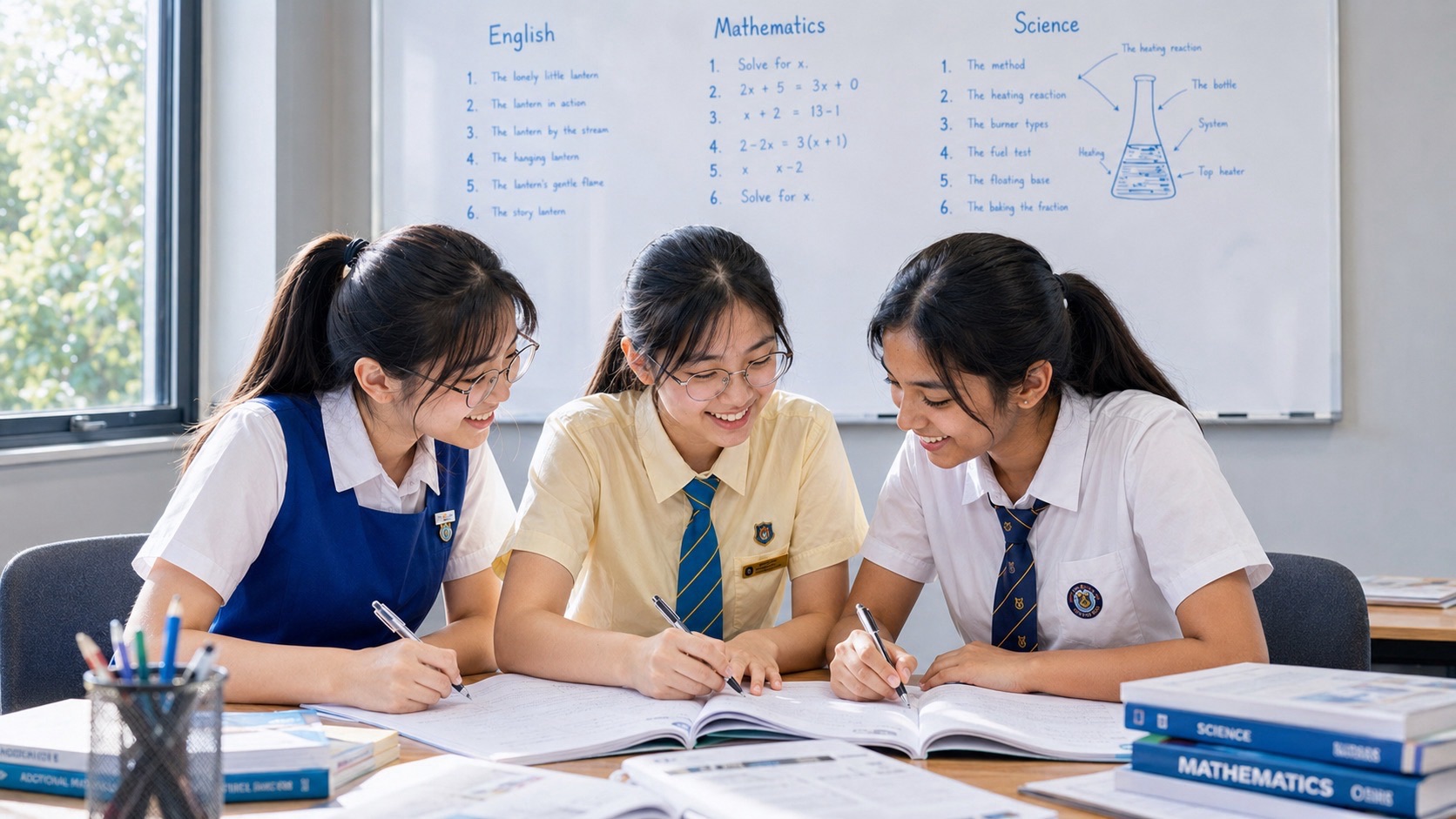
A student does not exist only inside a classroom. Sleep, breakfast, travel, family coordination, lessons, peers, lunch, homework and the trip home all form part of the learner’s day. Even in one lesson, the same explanation can lead to different understanding in different students.
The same educational opportunity can therefore arrive differently at different learners.
A better picture of society avoids stereotypes.
An average is not a person. A neighbourhood statistic is not a household biography. A common travel pattern is not today’s journey. Good social understanding needs population patterns, individual variation, institutions, infrastructure, time and feedback together.
The larger idea
We often describe society with nouns: student, parent, commuter, teacher, worker, school, hospital, city. Daily life is made from verbs: wake, prepare, walk, wait, travel, enter, learn, work, buy, care, decide, return and sleep.
A living city is not simply a collection of people and buildings. It is the changing pattern produced as people move through the world and the world answers back.
Public sources
- Singapore Department of Statistics · Population Trends
- Land Transport Authority · Household Travel Survey
- Urban Redevelopment Authority · Master Plan
This is a reader-facing conceptual article. Population-level observations should not be used to infer the private characteristics or behaviour of a particular individual.