Introduction
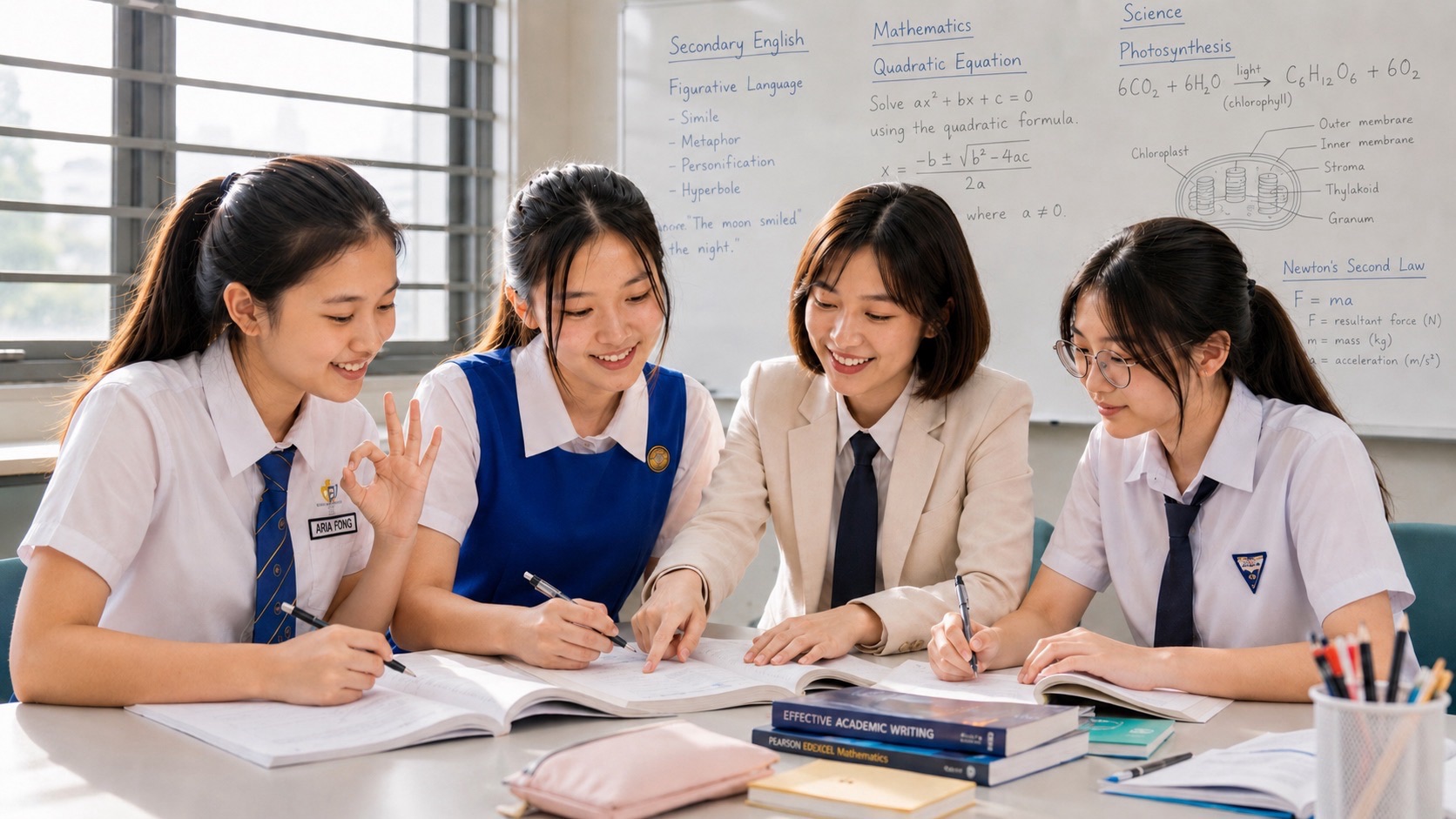
Creating a conducive learning atmosphere is paramount to a student’s academic success and overall development. A well-structured classroom environment coupled with effective student collaboration strategies can significantly enhance the learning experience. In this article, we explore the significance of classroom composition and the role of student collaboration in fostering the best learning atmosphere.
Understanding Classroom Composition
Classroom composition refers to the combination of various elements, including the arrangement of physical space, the incorporation of learning materials, and the structure of the learning group. Each of these components is essential in creating an environment that supports optimal learning.
The Importance of Classroom Layout
A well-arranged classroom supports seamless interaction between students and instructors, contributing to effective learning. Classrooms should be spacious and organized to ensure comfort and reduce distractions. The seating arrangement should promote eye contact and encourage open communication between the teacher and students.
Learning Resources and Materials
Classroom materials like textbooks, charts, projectors, and whiteboards are critical learning tools. They facilitate understanding and retention of concepts taught, making learning interactive and exciting. Access to digital resources, including e-books, online platforms, and learning apps, can further enrich the learning experience.
Learning Group Structure
Small class sizes are ideal for personalized attention and targeted learning. A smaller class size allows tutors to understand each student’s strengths, weaknesses, and learning style, tailoring the teaching approach accordingly. This student-focused approach can significantly enhance learning outcomes.
Fostering Student Collaboration
Effective student collaboration is central to any successful learning environment. It promotes active learning, critical thinking, and better understanding of concepts.
The Role of Group Activities
Group activities like discussions, debates, and group projects encourage students to share ideas, argue their points, and learn from their peers. This engagement fosters critical thinking and helps students understand different perspectives.
Encouraging Peer Review and Feedback
Peer review and feedback are effective ways to enhance learning. By assessing their peers’ work, students can gain insights into their own work, noting areas for improvement and understanding the quality of work expected.
Incorporating Collaborative Learning Tools
Incorporating collaborative tools like shared documents and online forums can promote effective group work. These tools allow students to work together, share ideas, and give feedback in real-time, enhancing collaboration and learning.
Establishing a Positive Learning Culture
Creating the best learning atmosphere extends beyond physical classrooms and effective collaboration. It involves establishing a learning culture that encourages curiosity, respects differences, and supports every student’s growth.
Encouraging Curiosity and Creativity
A conducive learning environment encourages curiosity and creativity. Tutors can nurture these traits by asking open-ended questions, using thought-provoking prompts, and encouraging creative thinking.
Promoting Respect and Tolerance
In a diverse classroom, respect and tolerance are vital. Educators should encourage students to appreciate each other’s ideas and perspectives, fostering a sense of belonging and mutual respect.
Supporting Individual Growth
Each student’s learning journey is unique. A supportive learning environment acknowledges this individuality, providing the necessary resources and support to help every student thrive.
Conclusion
Creating the best learning atmosphere is a multifaceted process involving a well-composed classroom and effective student collaboration strategies. It requires an environment that supports learning and a culture that encourages individual growth. This balanced approach fosters a rewarding learning experience, paving the way for academic success and lifelong learning.
