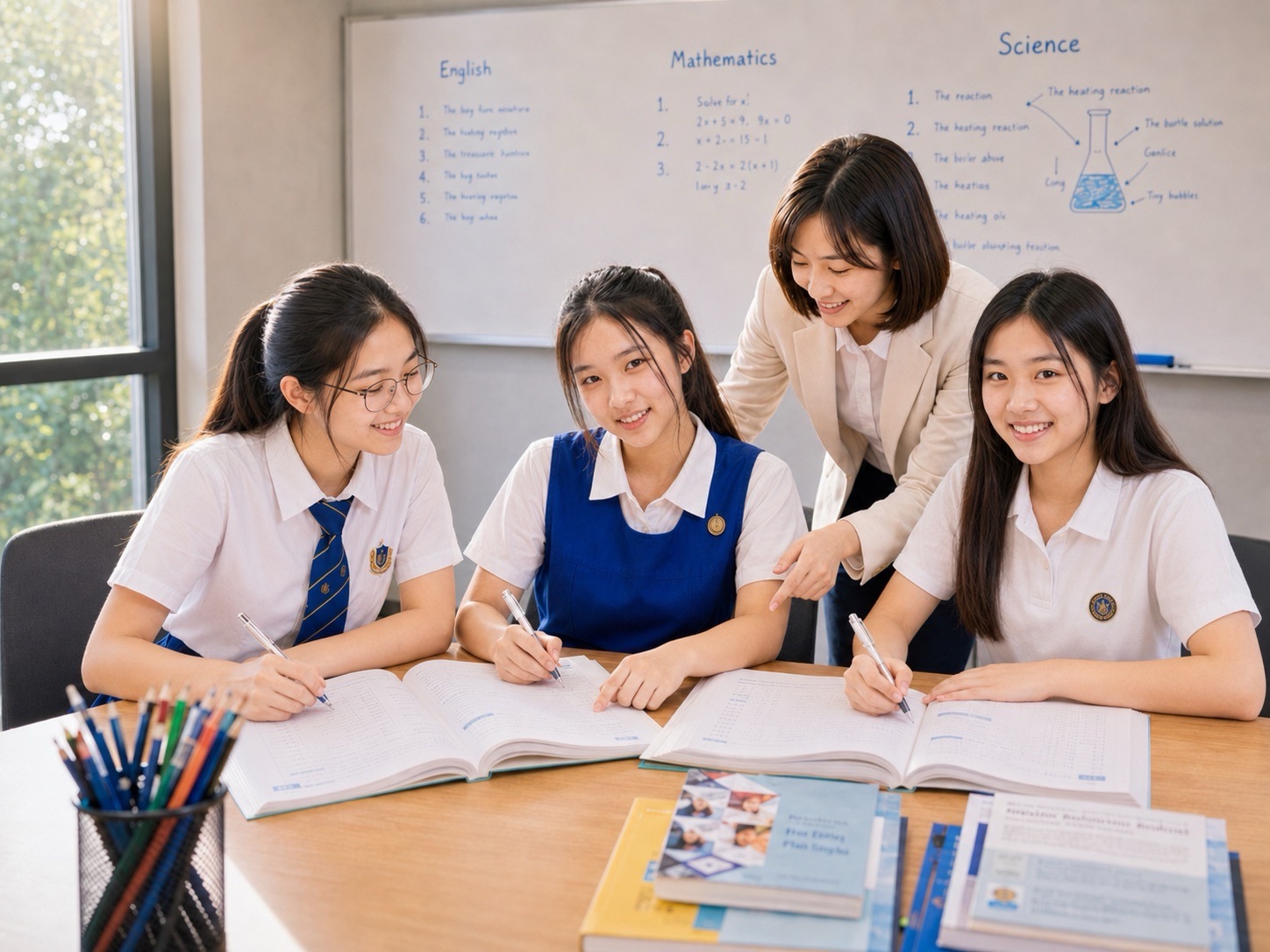
In the world of primary education, one subject that can be particularly challenging yet incredibly rewarding is science. As a parent, you play a crucial role in your child’s academic success, especially when it comes to preparing for significant examinations like the Primary School Leaving Examination (PSLE). In this guide, we will delve into the fascinating topic of adaptation, a vital aspect of Primary Science, and discuss how to effectively support your child’s learning journey with the help of primary science tuition.
- Science Materials for eduKate Students
- Adaptation: Primary 6 Science Topic (PSLE SEAB Syllabus) Free Online Lessons
- Primary 6 Adaptation (Advanced level Extra Materials)
Adaptation, in biological terms, refers to the process by which an organism becomes better suited to its environment. It’s a fundamental concept in the study of life sciences and one that your child will explore in depth in primary science. Understanding adaptation requires an appreciation of how living organisms, over time, develop characteristics that enhance their survival and reproductive success in their habitats.
Adaptation is not just a theoretical concept; it has real-world applications that your child can relate to, making the subject more engaging and understandable. For instance, they can learn why the camel has a hump or why the cactus has spines. Each attribute represents an adaptation to a particular environment – the desert, in these cases. These practical examples can make the concept of adaptation tangible, relatable, and thus easier to grasp.
As a parent, your involvement in your child’s learning journey is invaluable. Engage your child in conversations about adaptation. Discuss different animals and their habitats and ask them how they think these animals have adapted to their environments. Such discussions can stimulate your child’s curiosity and critical thinking skills, fundamental tools for success in primary science.
One of the effective strategies to support your child’s understanding of adaptation is through primary science tuition. Engaging a reputable tuition center like eduKate Singapore can significantly enhance your child’s learning experience. eduKate Singapore offers personalized science tuition for primary school students, with a strong focus on understanding key scientific concepts, including adaptation.
Primary science tuition at eduKate is designed to supplement school learning, not merely replicate it. The tutors adopt innovative teaching methodologies tailored to each student’s learning style and pace. In the context of adaptation, tutors may use visual aids, multimedia resources, and even outdoor explorations to illustrate how organisms adapt to their surroundings. The primary aim is to make learning science an enjoyable, enriching, and enlightening experience.
At eduKate, small group sessions are a distinguishing feature. This setup allows for individual attention while fostering group interaction, which can stimulate insightful discussions and collaborative learning. For example, in a lesson on adaptation, students may be grouped together and assigned different habitats. Each group would then explore various organisms in their assigned habitat and discuss their adaptations. Such activities not only enhance understanding but also encourage teamwork and communication skills.
An integral part of primary science tuition at eduKate is linking scientific concepts to real-world scenarios. For example, when studying adaptation, tutors may explain how global warming affects the polar bear’s survival, thereby demonstrating how adaptations are crucial for species’ survival in changing environments. Such connections can help your child appreciate the relevance and applicability of what they learn in science, fostering a lifelong interest in the subject.
Moreover, tutors at eduKate are experienced educators who are well-versed with the PSLE science syllabus. They understand the exam’s structure and requirements and can equip your child with effective exam strategies. From understanding and answering science questions correctly to managing exam time efficiently, students are guided to navigate the PSLE confidently and competently.
In conclusion, understanding adaptation in PSLE science is an enriching journey of exploring the marvels of life and its survival strategies. As a parent, you can support your child’s journey by engaging in meaningful conversations about adaptation and considering primary science tuition for a more structured and in-depth learning experience. Remember, your child’s understanding of science today can become their tool for deciphering and appreciating the complexities of life tomorrow.
