Just a trip to Melbourne Australia with no other reason than having a tour around the city and tour Great Ocean Road. Again, getting away from work and trying to learn something new in Melbourne just ticked all the boxes, including the chance of a rather cheap plane ticket, which we missed and wasted the opportunity as we arrived late in Changi Airport and had to rebook, a rather costly affair, the next flight out just so we don’t need to unpack and waste all the effort.
Arriving a day later, we got to our AirBnB to unload our luggage and off we went for a dinner in town, spending the next few days touring Melbourne itself. Obviously, we did a tour of their iconic Melbourne touristy sites, trying to hit all the tried and tested areas that we kept seeing on YouTube and we just had to try it all out for ourselves. Not exactly the most adventurous but we did brave the mad traffic and those long traffic jam during peak hours, and a chilly winter that is just a bit too warm to stay indoors and too cold to stay outdoors too long, which happens to be our June holidays and Summer for mostly the rest of the world.
The metropolitan city is quite an attraction, bustling, with lots to offer. Every corner we turn, there’s plenty to do, see and eat. Even with places that is out of the way, there’s a cosy restaurant that will have a gastronomic menu that will just put a smile on you. Then there’s the friendly Aussies that helps us to navigate the city to the point where we went for dinner with some of them. No horror stories here, just good people that is an extension of the famous cordial culture of Australia.
Choose the question that brought you here. Open one useful guide, try a small task, and stop when you have what you need.
Take one question further
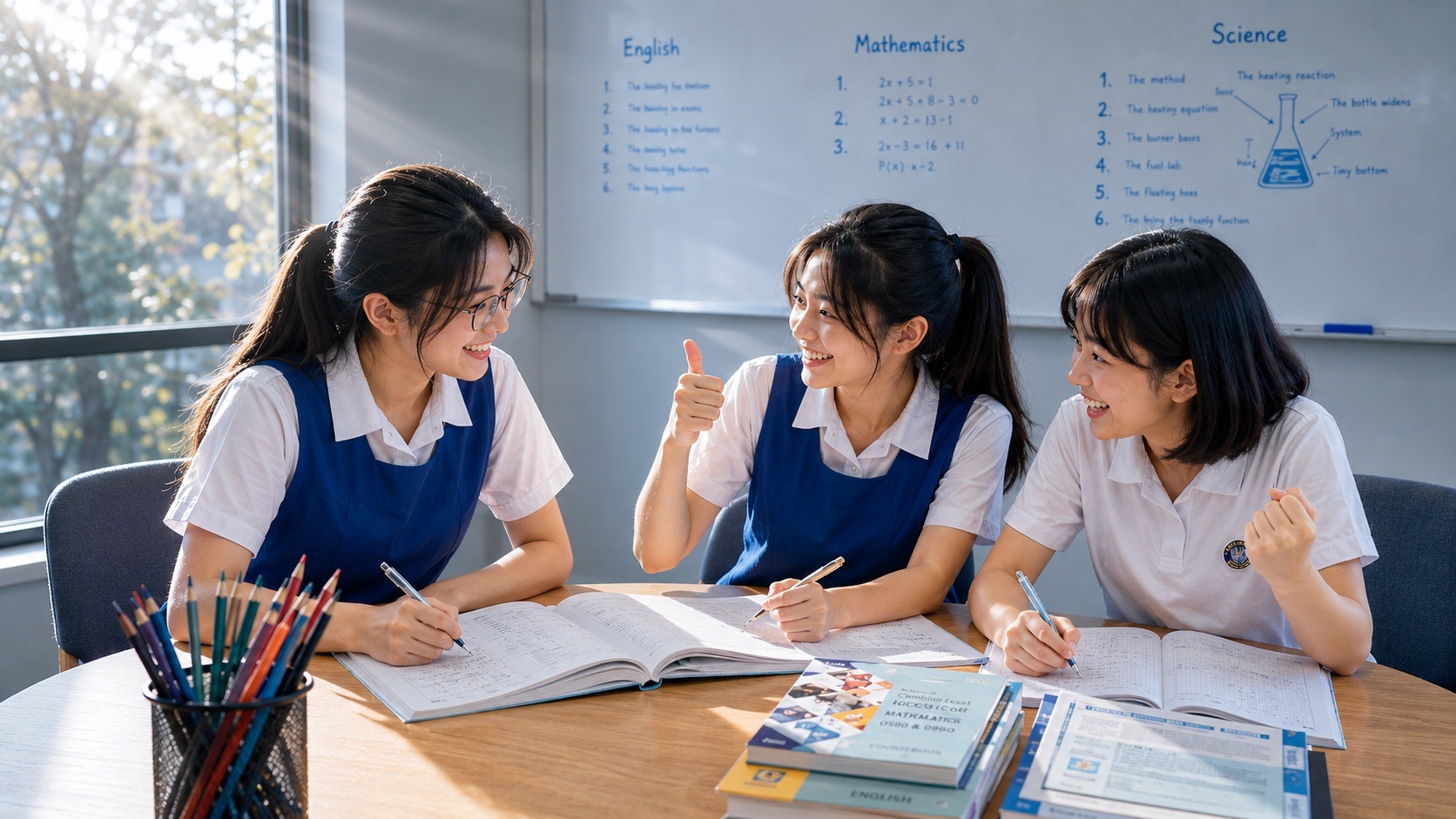
The same learning habit can travel across subjects, while each subject keeps its own methods. These routes help you notice a difficulty, understand one part of it, and return to something you can do.
Try it without the guide: Choose one word you already know. Close the guide and use it in a new sentence. Explain why it fits; try another context tomorrow.
A piece of writing has ideas, but the reader loses the thread.
Try it without the guide: Choose one short paragraph. Read the relevant explanation, close it, and revise the paragraph. Ask someone to tell you what happened and why.
The Mathematics seems familiar, but marks still disappear.
Try it without the guide: For a Secondary 4 A-Math question you have attempted, locate the first uncertain line. Repair that step, then try a comparable question without the worked answer.
A Science fact is remembered, but the explanation is incomplete.
Try it without the guide: Choose a familiar Primary Science example. Explain the evidence, the idea and the result without notes. Then change one condition and explain your prediction.
Try it without the guide: Take one claim. Find the source best placed to support it, note its date, and state what remains uncertain. Return to your original question.
There is plenty of help, but independence is hard to see.
Try it without the guide: Choose one small task the child has practised. Agree on a calm, brief attempt without prompts. Use what happens to choose one next step, then stop.