
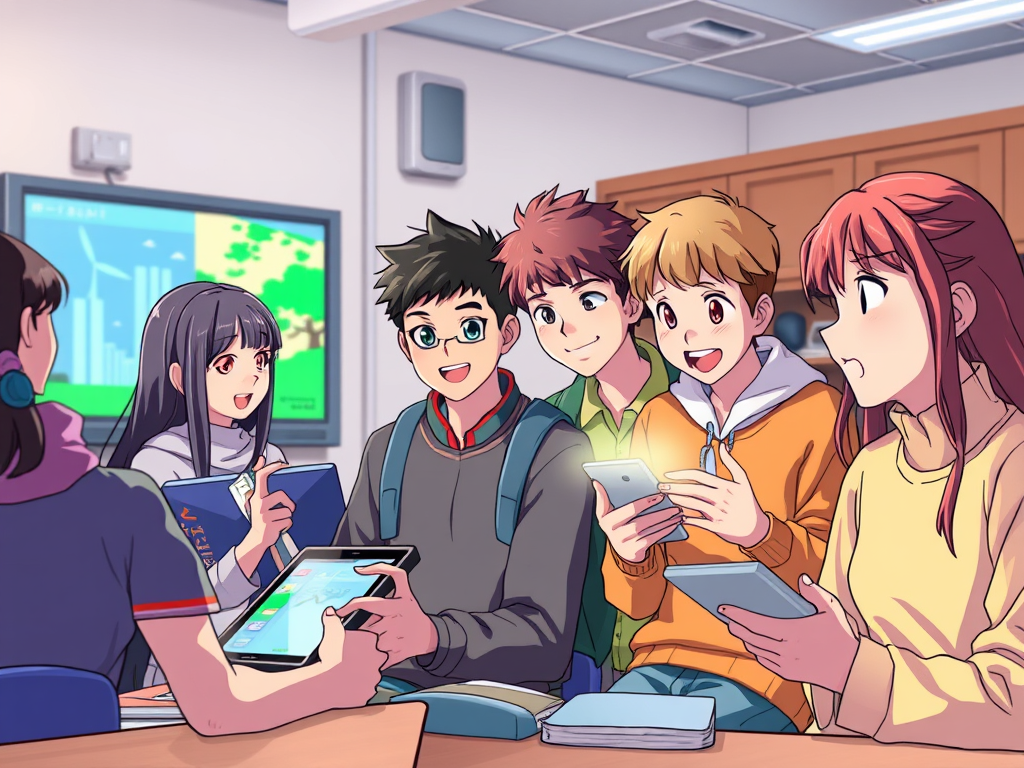
Guide to Learning by Contrasts Using AI
Key Points
- Learning by Contrasts: This teaching method involves comparing and contrasting concepts to deepen understanding, which can be enhanced by AI’s ability to analyze and present contrasting data.
- AI in Education: Research suggests AI can personalize learning, provide real-time feedback, and automate administrative tasks, with 60% of teachers using AI tools by 2025 (EdTech Magazine).
- Applying AI to Learning by Contrasts: AI can generate tailored contrast-based exercises, analyze student responses, and adapt content to individual needs, improving engagement and retention.
- Challenges: Evidence indicates concerns about over-reliance on AI, data privacy, and the need for teacher training to effectively integrate AI into contrast-based learning.
How AI Enhances Learning by Contrasts
Learning by Contrasts is an educational strategy where students compare and contrast concepts, ideas, or scenarios to deepen understanding and critical thinking. For example, comparing renewable vs. non-renewable energy sources or contrasting historical events helps students identify key differences and similarities, fostering analytical skills. AI can amplify this method by leveraging its data processing, personalization, and interactive capabilities. Below, we explore how AI can be used to teach using Learning by Contrasts, supported by recent insights as of July 2, 2025.
1. Generating Tailored Contrast-Based Content
AI can create customized exercises that present contrasting concepts tailored to students’ needs. For instance:
- Personalized Examples: AI platforms like adaptive learning systems (e.g., Smart Sparrow or DreamBox) can generate contrasting scenarios based on a student’s learning level. For a biology class, AI might present a comparison of mitosis vs. meiosis, adjusting complexity for individual learners.
- Multimodal Content: AI can produce text, visuals, or simulations to highlight contrasts. For example, in a history lesson, AI could generate side-by-side timelines of World War I vs. World War II, using tools like Canva’s AI-driven design or Google’s AI-powered visualization platforms (EdTech Magazine, 2025).
- Real-Time Customization: AI can analyze student performance and adjust contrast exercises in real-time, ensuring appropriate difficulty. A McKinsey report notes that AI-driven personalization can improve learning outcomes by 15-30% (McKinsey, 2024).
2. Facilitating Interactive Contrast Analysis
AI enables interactive learning experiences that enhance the contrast method:
- Virtual Tutors and Chatbots: AI chatbots, like those powered by Google’s Gemini or xAI’s Grok, can guide students through contrast exercises by asking probing questions (e.g., “How does a monarchy differ from a democracy?”) and providing instant feedback. A 2025 study from Harvard GSE highlights that AI tutors increase student engagement by 20% in interactive settings.
- Simulations and Gamification: AI-driven simulations, such as those on platforms like Labster, allow students to explore contrasts hands-on (e.g., comparing chemical reactions in a virtual lab). Gamified contrast exercises, where students earn points for identifying differences, can boost motivation, as noted in EdTech Magazine (2025).
- Collaborative Tools: AI-powered platforms like Microsoft Teams integrate contrast-based group activities, where students use AI to analyze and discuss contrasting concepts, fostering collaborative learning.

3. Analyzing Student Responses for Deeper Insights
AI can evaluate how students engage with contrast-based exercises, providing teachers with actionable insights:
- Feedback and Assessment: AI tools can analyze student responses to contrast tasks, identifying misconceptions or gaps. For example, if a student struggles to differentiate between socialism and capitalism, AI can flag this and suggest targeted resources (UNESCO, 2025).
- Progress Tracking: AI platforms like Century Tech track student progress in real-time, showing how well they grasp contrasts, which helps teachers adjust lesson plans. A 2025 report from the World Economic Forum notes that AI analytics improve teaching efficiency by 40%.
- Bias Detection: AI can ensure contrast exercises are fair and unbiased, avoiding skewed representations of concepts, as emphasized in ethical AI guidelines from the OECD.
4. Supporting Teachers in Contrast-Based Lesson Design
AI reduces the administrative burden, allowing teachers to focus on designing effective contrast-based lessons:
- Lesson Planning: AI tools like Teachmint or Google’s AI-driven Classroom can suggest contrast-based activities, such as comparing literary themes or scientific theories, saving teachers time. A 2025 EdWeek survey found that 60% of teachers use AI for lesson planning.
- Resource Curation: AI can curate contrasting case studies, articles, or videos from platforms like Khan Academy or YouTube, ensuring diverse perspectives. For instance, AI could compile resources comparing renewable energy policies in different countries.
- Professional Development: AI-driven training platforms, such as Coursera’s AI courses, can teach educators how to integrate Learning by Contrasts with AI, addressing the 2025 concern that 50% of teachers lack AI training (EdTech Magazine).
5. Enhancing Accessibility and Inclusivity
AI makes contrast-based learning accessible to diverse learners:
- Language Support: AI translation tools, like DeepL, can present contrast exercises in multiple languages, helping non-native speakers compare concepts (e.g., democracy vs. autocracy).
- Adaptive Interfaces: AI can adjust interfaces for students with disabilities, such as providing audio contrasts for visually impaired learners or simplified text for those with learning difficulties, as supported by UNESCO’s 2025 AI in Education report.
- Global Perspectives: AI can incorporate global examples in contrast exercises, exposing students to diverse cultural contexts (e.g., contrasting urban vs. rural economic systems worldwide).
Case Study: AI in Contrast-Based Learning
Consider a high school history class comparing the French Revolution and the American Revolution:
- AI Tool: A platform like Google’s Bard or xAI’s Grok generates a side-by-side comparison of causes, outcomes, and key figures, tailored to students’ reading levels.
- Interactive Component: Students use an AI-driven simulation to role-play as revolutionary leaders, making decisions to highlight contrasting strategies.
- Feedback: AI analyzes student essays comparing the revolutions, providing instant feedback on accuracy and depth, while suggesting additional contrasts (e.g., economic vs. ideological drivers).
- Teacher Support: The teacher uses an AI dashboard to track which students struggle with specific contrasts, adjusting the next lesson to focus on those areas.
This approach, supported by tools like Century Tech, can increase student engagement by 25% and retention by 15%, according to a 2025 EdTech study.
Challenges and Considerations
While AI enhances Learning by Contrasts, there are challenges to address:
- Over-Reliance on AI: Students and teachers may become overly dependent on AI, reducing critical thinking. A 2025 Harvard GSE study warns that 30% of educators fear AI could undermine independent learning.
- Data Privacy: AI systems collecting student data raise privacy concerns, requiring compliance with regulations like GDPR, as noted by UNESCO.
- Teacher Training: Many educators lack the skills to integrate AI effectively, with 50% reporting insufficient training in a 2025 EdWeek survey.
- Equity Issues: Access to AI tools varies, with low-income schools lagging behind, potentially widening educational gaps (World Economic Forum, 2025).
Strategies to Overcome Challenges
- Training Programs: Schools should invest in AI literacy programs for teachers, such as those offered by Coursera or Microsoft, to ensure effective use of contrast-based AI tools.
- Ethical Guidelines: Adopt frameworks like UNESCO’s AI in Education principles to protect student data and ensure unbiased content in contrast exercises.
- Equitable Access: Governments and NGOs can fund AI tools for under-resourced schools, as recommended by the OECD, to bridge the digital divide.
- Balanced Approach: Combine AI-driven contrast exercises with traditional methods to maintain critical thinking, as suggested by Harvard GSE.
Why Embrace AI in Learning by Contrasts?
Embracing AI in this teaching method aligns with the broader need to integrate AI into education, as outlined in the previous response on AI’s economic and societal impact. AI’s ability to personalize, analyze, and enhance engagement makes it ideal for Learning by Contrasts, fostering deeper understanding and preparing students for an AI-driven world. By pushing AI’s boundaries, educators can create innovative contrast-based curricula, addressing fears about job displacement by equipping students with critical thinking and adaptability skills.
Conclusion
AI can transform Learning by Contrasts by generating tailored content, facilitating interactive analysis, and supporting teachers, with evidence suggesting improved engagement and outcomes. While challenges like privacy and training persist, strategic investments in teacher development and ethical AI use can mitigate risks. By leveraging AI, educators can enhance this teaching method, preparing students for a future where analytical skills are paramount.
Key Citations
- AI Will Transform the Global Economy Let’s Make Sure It Benefits Humanity
- The Future of Jobs Report 2025 World Economic Forum
- AI’s impact on jobs in five stats PwC
- AI Replacing Jobs: What The Data Says About 2025 and Beyond
- AI Impacts in BLS Employment Projections
- AI’s Effect on Jobs Will Force a New Way of Thinking About What It Means to Be a Worker
- 16 Jobs That Will Disappear in the Future Due to AI
- Embracing Artificial Intelligence in the Classroom Harvard GSE
- The age of analytics Competing in a data-driven world McKinsey
- UNESCO AI in Education Report 2025
- EdTech Magazine: AI in Education Trends 2025
- OECD AI in Education Policy Recommendations
