



BE!
“Equatorians” in a rather “fish out of water” situation.
Kazakhstan, the last Soviet republic to declare independence and the world’s largest landlocked country with a population of 18.8 million people. A Russian-speaking country that is advancing economically at a breakneck pace and nothing like what a particular movie make them out to be. (for your own safety, just don’t mention Borat while you are there)
Upon landing, here’s what strikes us immediately: Warmest and friendliest country ever. We totally felt like a fish out of water and far removed from our safety net of Singapore.
It seems like everyone knows each other here, which is not true of course, but you will feel that way because everyone just speaks to each other as if they had been friends like since… forever. No barriers, no facade, no hesitation and no trepidation when strangers approach each other on the streets. They just start talking like they know each other since like forever. They don’t even need to say the words “hello” to start a conversation, they just start talking, like they know each other since like… forever.
It’s a most uncanny behaviour for us Singaporeans, and that just reminds us how much we need to smile at each other when we are back. We are back of course by the time you read this. Still smiling and looking foolish to some stranger we meet right now I bet, for this trip made us rethink our lives, slightly. But that’s why we travel ain’t it? To make us rethink who we are, and what needs to be readjusted. In this case, be friendly and smiley, even if it makes us look goofy. But hey, we have to start somewhere. It starts with one, and ends with all. We try, we try and that’s all worth living for.
I digress, back to Kazakhstan and why we took that trip. We were there to meet up with Professor Sholpan and help her with her education projects, which was part of the reason why UK was a stopover before coming here. Doing research work in London and Cambridge for her, then its a flight over to Kazakhstan and two weeks of meeting schools and students.
In that time frame, we met up with students and teachers that were extremely curious to meet us “equatorians”, a word we shall now coin and take credit for, because it certainly felt we were quite the in vogue equatorial and hot, in the literal sense, foreigners that looked thoroughly incongruous in their polar country.
As you will find out, Kazakhstan is a rather chilly country. Minus 40 degrees Celsius kind of chilly. So, we living in equatorial Singapore are definitely looking pretty extraterrestrial to them and a rather novel wonder as to why would we even take a flight into a Russian-speaking nation that is quite protected geographically from the rest of the world. So shall we just call ourselves Equatorians, for all who stay nearest to equator.
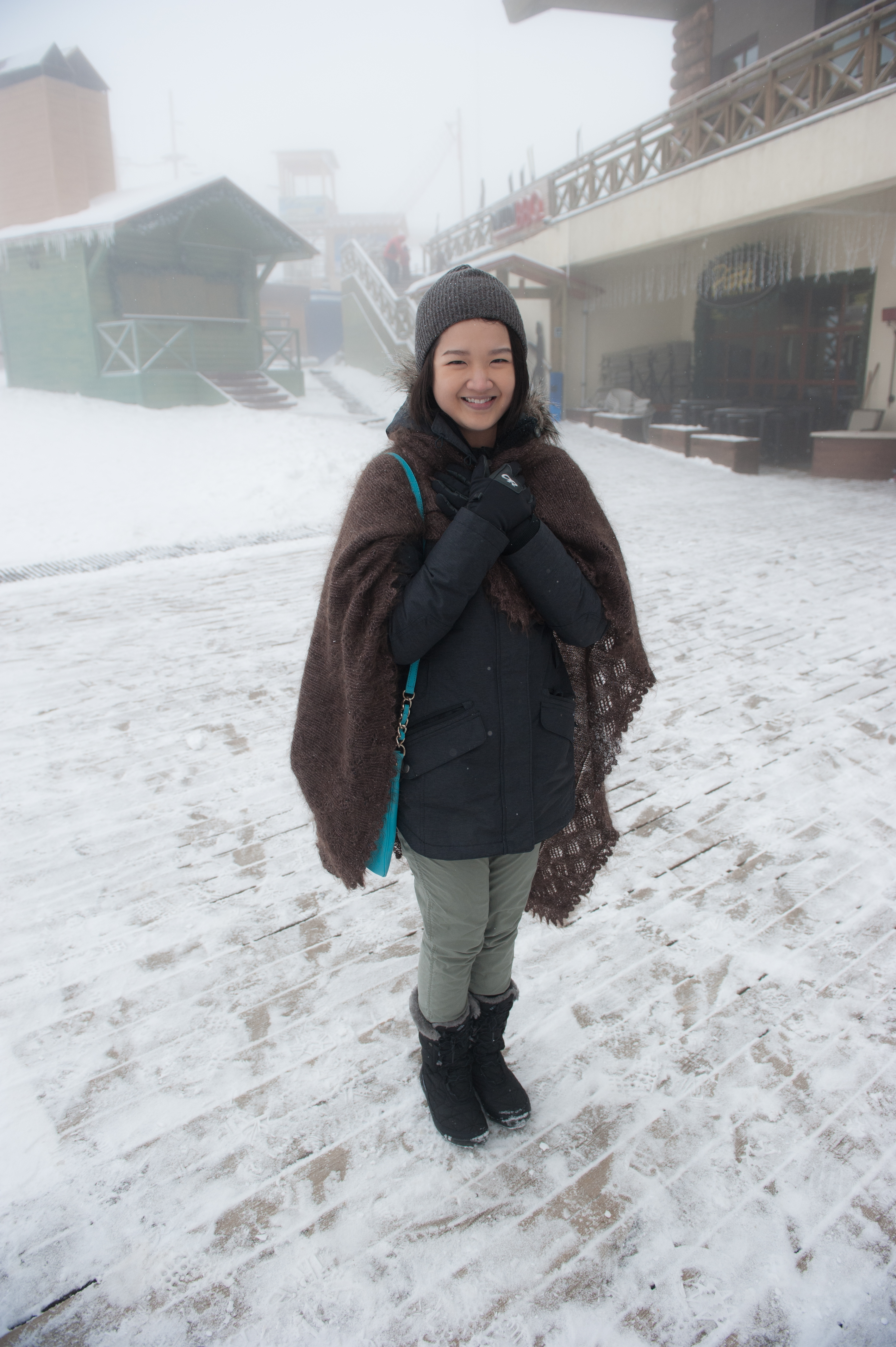
We have proof of the arctic conditions, yes, we have it in concrete evidence, the photos above, where it looks like a ski resort, is actually a ski resort called Shymbulak, famously visited by Prince Harry. And whilst we were there, yep, minus 40 deg C and the piste was shut for the day.
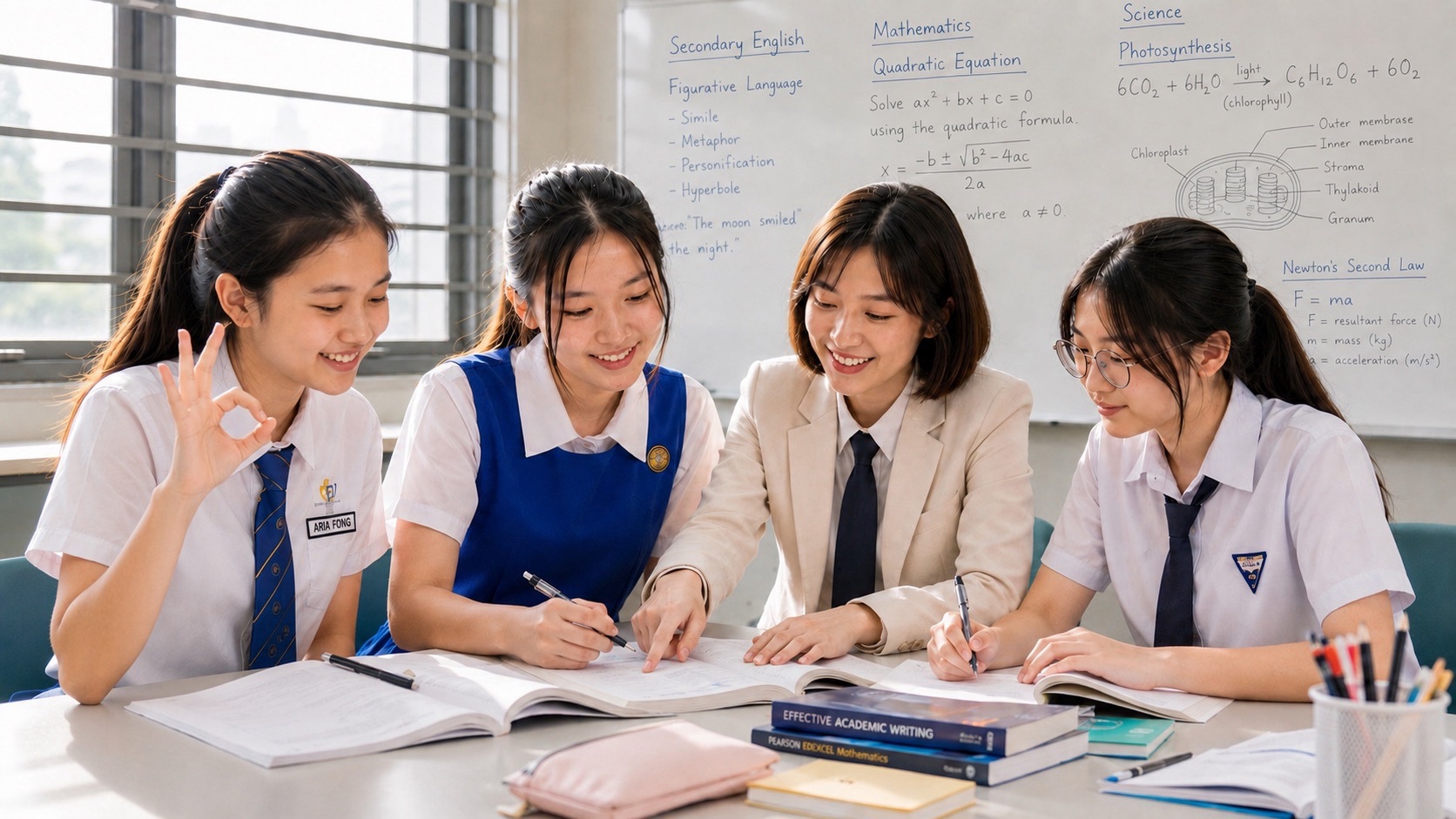
Again, I apologise for digressing. So what you see in the rest of the photos are our workshops, a lot of workshops. A lot of workshops arranged with Prof Sholpan to meet as many people to talk about education and the next paradigm shift. Of course, we, being the alien flavour of the week, took a lot of questions of being an equatorian. Some rather inquisitive and expository, and others, just pure happiness as they learn about Singapore and how we became so interested in education and a proper nation in such a short time. They appreciate how our driven school system connects us to the world and how smart our school looks, as they came prepared, having googled our schools and all. They cannot believe the investment we spend, just on education alone.
So count our lucky stars, because we seldom look up and count those lucky stars do we? I do. Or should I say, I try to at the very least.
So what did we learn from this trip? There’s a sense that we are quite different, but yet the same. As much as we are different, we are all somehow, still the same. Speaking Russian, or English, living in a cold climate in Almaty or a hot one like ours, we are always curious to know what others in this world are like. Be it different, or the same, the burning curiosity gives us reason to go find out more. Which finally answers the question they have all been asking, why were we there in Kazakhstan.
Because a fish out of water, given the chances brought by a few million years, shall end up developing a pair of lungs that will eventually allow us to fly in a metal plane to a foreign country to see wondrous things, and to feel, taste and smell foreignness. It took that first fish to risk it all, so why not us then?
Be fearless, be you.