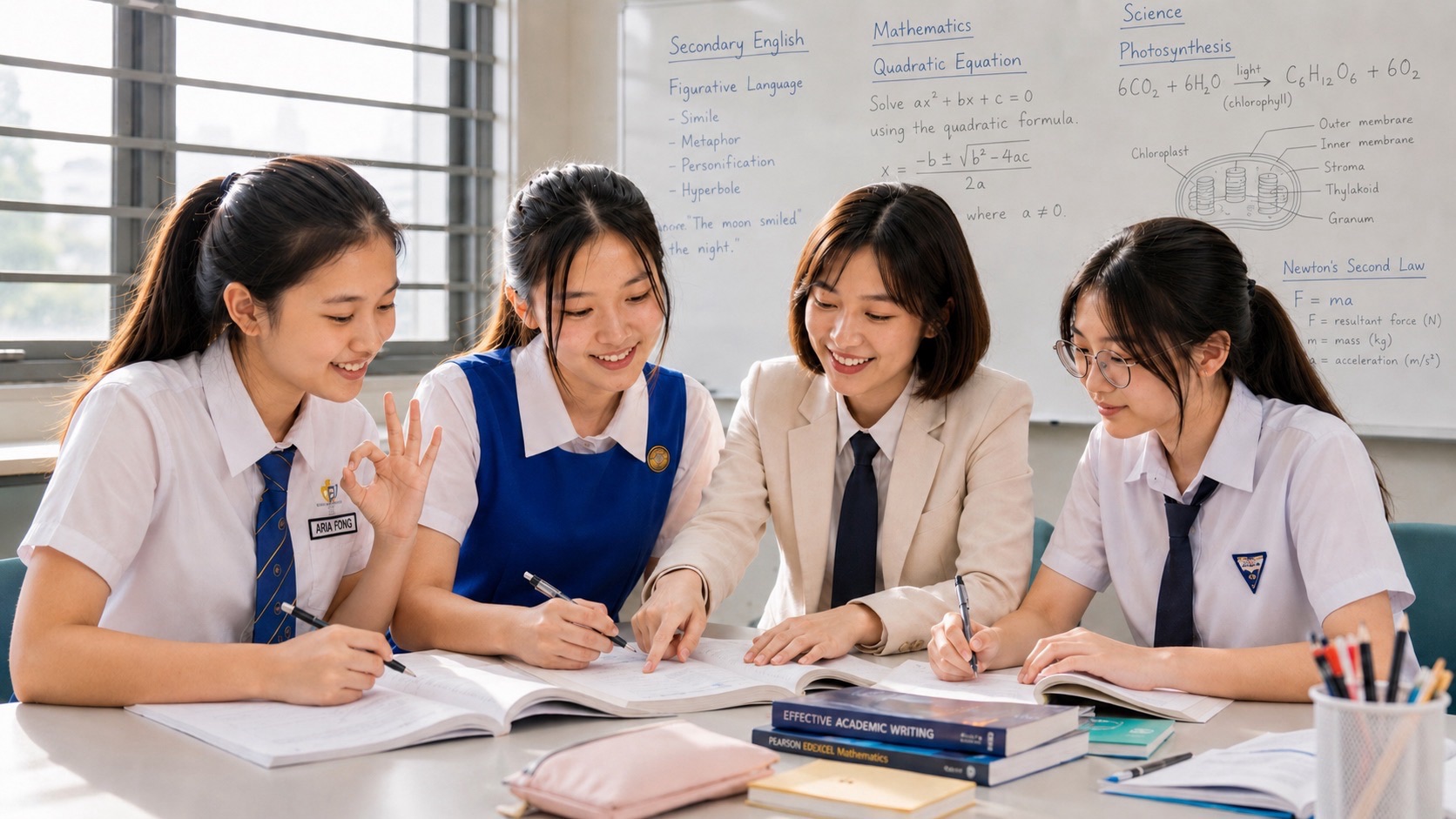
One of the central tenets of biology and a crucial part of the Primary School Leaving Examination (PSLE) Science curriculum is the concept of natural selection in the topic Adaptation during Primary 6. To help parents guide their children through this complex yet fascinating topic, this article provides a comprehensive approach to Primary Science Tuition.
- Science Materials for eduKate Students
- Adaptation: Primary 6 Science Topic (PSLE SEAB Syllabus) Free Online Lessons
- Primary 6 Adaptation (Advanced level Extra Materials)
Understanding Natural Selection
Natural selection is a fundamental process in evolution where organisms better adapted to their environment tend to survive and produce more offspring. The theory, proposed by Charles Darwin, explains how species evolve over time and why biodiversity exists.
Natural selection is a key concept in PSLE Science, allowing students to understand the rich tapestry of life on Earth.
Significance of Natural Selection in PSLE Science
In PSLE Science, natural selection is part of the biology module. Understanding this concept allows students to comprehend how and why different species possess certain traits, how species adapt to their environments, and why some species become extinct while others flourish.
Exploring Natural Selection Through Primary Science Tuition
Here are some effective strategies that can help make Primary Science Tuition engaging and enhance your child’s understanding of natural selection:
- Relatable Examples: Using examples from real-life can help children grasp abstract concepts. For instance, discussing how some insects have evolved to resemble leaves or sticks for protection can illustrate natural selection.
- Interactive Learning: Leverage technology to provide interactive learning experiences. Videos, animations, and online games related to natural selection can help simplify the concept.
- Experiment-Based Learning: Simple experiments can bring theory to life. One classic experiment involves different colored paper “moths” and how their visibility on different backgrounds affects their survival, simulating natural selection in action.
- Connection to Other Topics: Highlight how natural selection ties into other areas of study like ecology, genetics, and environmental science. This holistic approach can help students appreciate the interconnected nature of scientific concepts.
The Role of Professional Primary Science Tuition
While the strategies discussed above can enhance your child’s learning experience, professional Primary Science Tuition can offer additional benefits. An experienced tutor can present complex concepts in an easily digestible form, tailor teaching methods to your child’s learning style, and provide comprehensive coverage of the PSLE Science syllabus.
Moreover, Primary Science Tuition also nurtures critical thinking and problem-solving skills – crucial for scientific learning. It promotes active learning, encouraging students to question, analyze, and explore, fostering a deep understanding of the subject.
Conclusion
Decoding the concept of natural selection in PSLE Science can be a rewarding experience, instilling a deeper appreciation for the wonders of life and the natural world. With effective Primary Science Tuition strategies and possibly professional assistance, your child can not only master natural selection but also develop a lifelong passion for science.
Remember, nurturing scientific curiosity at this formative stage can set the foundation for future academic success and potentially ignite an interest in a science-related career. As a parent, your role in this journey is invaluable. Together, let’s make science an exciting adventure for our children.
