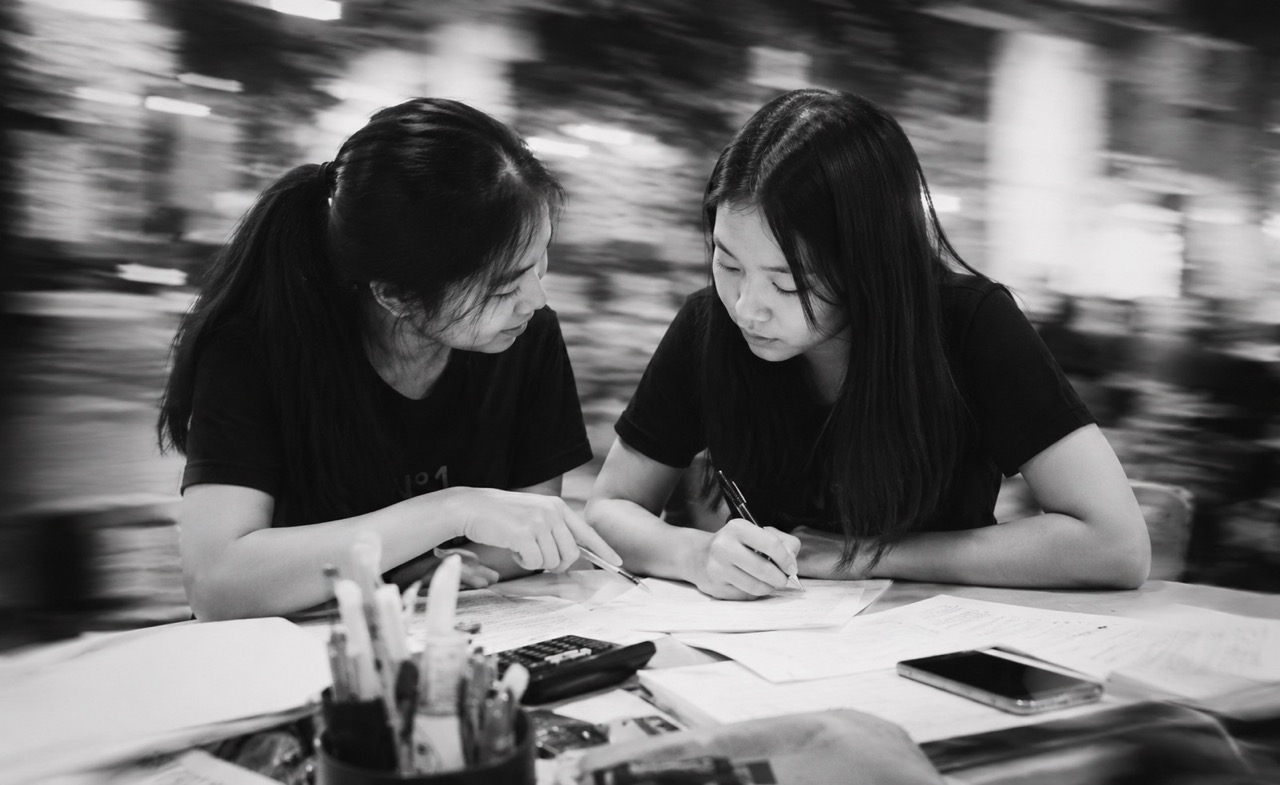
The Importance of Creative Writing in Primary School Education
Creative writing plays a pivotal role in a child’s cognitive and emotional development. In the early stages of schooling, it fosters imagination, creativity, and critical thinking, providing children with an outlet to express themselves through storytelling, poetry, and other forms of written expression. This article will delve into why creative writing is essential for primary school students and how parents can support their child’s development in this area. Along the way, we will explore practical tips, best practices, and insights that can help your child become more confident and skilled in their writing.
The Cognitive Benefits of Creative Writing
Creative writing goes beyond just writing stories. It engages children’s brains in multiple ways, helping them to develop their vocabulary, grammar, and sentence structure. By encouraging children to use a wider range of vocabulary and experiment with sentence styles (such as simple, compound, and complex), you are helping them to convey their thoughts more effectively. Studies suggest that children who engage in creative writing often have an enhanced ability to modify sentence structures to better express their ideas(Literacy School).
Incorporating creative writing into the primary school curriculum also strengthens students’ analytical skills. As they experiment with different writing techniques, such as using fronted adverbials or passive voice, they gain a deeper understanding of how to craft impactful sentences(Literacy School).

Enhancing Emotional Intelligence and Self-Expression
Children often have big ideas but may struggle to express them clearly. Creative writing provides an avenue for them to explore their emotions, develop empathy, and better understand the world around them. Through storytelling, children can place themselves in the shoes of fictional characters, navigating complex emotions and scenarios. This helps them gain a better understanding of real-life issues like conflict, friendship, and family dynamics(Reading Rockets).
In addition, creative writing allows children to articulate their feelings in a safe and controlled environment. As they craft stories that mirror their thoughts and emotions, they become more emotionally aware, which is key for their overall emotional development.
Why Creative Writing Builds Confidence
Many students feel insecure about their writing abilities, especially when it comes to expressing their own thoughts. Encouraging your child to engage in creative writing can gradually build their confidence. Creative writing allows them to break away from rigid structures and explore a world of limitless possibilities. Through practice, children often start to develop their unique voice and style, making them more comfortable sharing their ideas(
One effective way to build confidence is by allowing children to keep a personal writing journal. This journal gives them the freedom to write without the pressure of grades or feedback, helping them to refine their ideas without fear of failure(National Literacy Trust). Diaries, inspired by popular book series like “Wimpy Kid” or “Tom Gates,” can help your child view writing as a fun and personal experience, rather than a task(Literacy School).
How Reading Improves Writing Skills
Reading plays a significant role in shaping children’s writing abilities. Exposure to a wide variety of texts – whether narrative, nonfiction, or poetry – offers them models of how language works and how ideas are structured. Reading high-quality texts also introduces children to advanced vocabulary and diverse sentence structures, which they can emulate in their own writing(Literacy School).
Parents can support this by encouraging regular reading at home. Introducing children to genres outside of their usual preferences, such as biographies or fantasy novels, expands their understanding of storytelling techniques. Reading also enhances their critical thinking skills, enabling them to analyze stories for themes, character development, and plot twists, which they can later implement in their writing(Literacy School).
Incorporating Arts into Writing
Another compelling way to inspire creativity is through integrating the arts into creative writing. Visual arts, music, and even dance can serve as a source of inspiration for students to craft more vivid and imaginative stories. Many educators have noted that when children engage with creative arts projects before writing, their use of literary devices, such as metaphors, similes, and alliteration, improves significantly(My College).
For example, a class might read a passage from Gulliver’s Travels and then act out scenes through dance, which helps them internalize the story’s themes and translate them into their own writing(My College). This technique is especially useful for children who might struggle to come up with ideas on their own; the arts serve as a catalyst for their imagination.
Engaging Reluctant Writers
Not every child will naturally take to creative writing, and many may find it challenging or intimidating at first. For these students, starting with real-life situations can make writing more accessible. Instead of asking them to invent a story from scratch, give them a relatable scenario, such as writing a letter to their school principal about an issue they’re passionate about(National Literacy Trust). This helps them understand that writing is a tool for communication, not just an academic exercise.
Another effective strategy is to use structured writing prompts that provoke curiosity and encourage deeper thinking. For example, a prompt like “I looked in the mirror and couldn’t believe my eyes…” can spark a range of imaginative responses(3P Learning).
Creating a Writing Routine at Home
To nurture your child’s creative writing skills, creating a consistent writing routine at home can make a world of difference. Set aside specific times during the week where your child can work on their creative projects, whether it’s writing short stories, poems, or even comic strips. Providing a quiet, distraction-free environment will help them focus on developing their ideas.
Additionally, consider implementing writing challenges, such as a family “short story of the week” competition, where everyone in the household takes part. You can display the stories on the fridge or compile them into a family book, making the writing process more rewarding and fun(National Literacy Trust).
Supporting Your Child’s Writing Progress
As your child embarks on their creative writing journey, providing constructive feedback is crucial. Rather than focusing solely on grammar or spelling, highlight their creativity, originality, and emotional depth. This type of feedback reinforces the idea that writing is about communication and self-expression, not just technical accuracy(PerWordWriting). Parents can also offer additional support by encouraging their child to share their stories with others, such as family members or friends. Knowing that their work will be read by an audience can motivate children to put more effort into their writing.
Conclusion
Creative writing is more than just a school assignment; it’s a fundamental skill that enhances children’s cognitive, emotional, and social development. By fostering a love for storytelling, providing diverse writing opportunities, and supporting your child’s growth, you can help them become more confident and skilled writers. Incorporating reading, the arts, and structured prompts into your child’s routine will ensure they not only enjoy the process but also benefit from the academic and personal advantages that creative writing brings.
