The Benefits of Singapore English Tuition: Small-Group Learning for Primary Students
Introduction
Navigating the complex world of education can be challenging for parents. Especially when it comes to choosing the best English tuition for your child, the options can be overwhelming. This article delves into the benefits of enrolling your primary school child in a small-group Singapore English tuition class. Here, we’ll explore aspects of improvement, effective learning strategies, preparation techniques, proactive measures, and underlying reasons.
Quick Summary:
- Small-group English tuition offers personalised attention and focused learning.
- Active engagement and collaborative learning in small groups improve language skills.
- Effective preparation techniques help students excel in examinations.
- Regular feedback and evaluation help students continuously improve.
- Small-group tuition fosters a conducive environment for mastering the English language.
The Power of Personalised Learning
Singapore English tuition, particularly in a small-group setting, offers an enhanced, personalised learning experience. With fewer students, teachers can focus on individual learning needs, catering to each student’s pace and level. It also allows teachers to pinpoint areas that require improvement and design targeted lesson plans.The U.S. Department of Education recommends personalised learning as a powerful tool in improving a student’s understanding and performance.
Active Engagement and Collaborative Learning
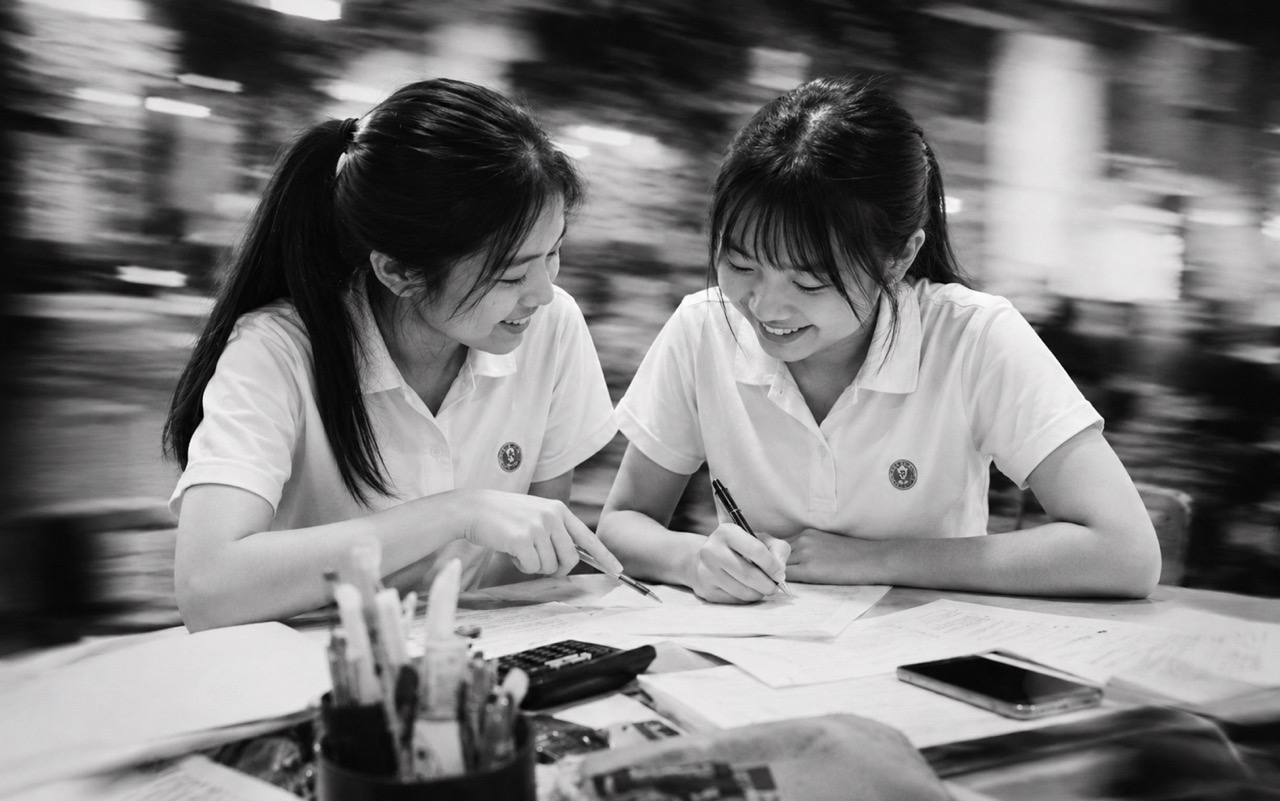
In a small-group setting, students are more likely to participate in class discussions, fostering active engagement in learning. This collaborative learning helps students improve their language skills, from reading and writing to listening and speaking. Research from Cambridge University suggests that small group interaction encourages learners to use English in meaningful, real-world contexts, which is crucial for language acquisition.
Effective Preparation Techniques for English Mastery
Singapore English tuition equips students with effective preparation techniques for exams and beyond. These include reading comprehension strategies, essay-writing techniques, and a solid grasp of grammar rules. Teachers can also introduce students to diverse texts, from news articles to literature, thereby enhancing their cultural awareness and critical thinking skills. Visit BBC Learning English for a variety of resources to supplement your child’s English learning journey.
Regular Feedback for Continuous Improvement
In a small-group Singapore English tuition, teachers can provide regular, personalised feedback, an essential component for continuous improvement. They can track a student’s progress and give constructive feedback, which contributes to a better understanding of the language. Stanford University’s research highlights that timely and actionable feedback is a key driver in students’ learning progression.
Conducive Environment for English Mastery
A smaller class size fosters a more conducive learning environment. It reduces distractions and creates a safe space for students to express themselves, ask questions, and make mistakes. This friendly environment boosts their confidence in using English, leading to mastery over time.The American Psychological Association suggests that a conducive learning environment significantly affects students’ academic outcomes and attitudes towards learning.
Conclusion
Choosing the right English tuition for your child is crucial in helping them excel acadically and in life. Small-group Singapore English tuition can offer your child a personalised and engaging learning experience, effective preparation techniques, regular feedback for continuous improvement, and a conducive environment for English mastery. Enroll your child today and help them unlock their full potential in English language learning.
