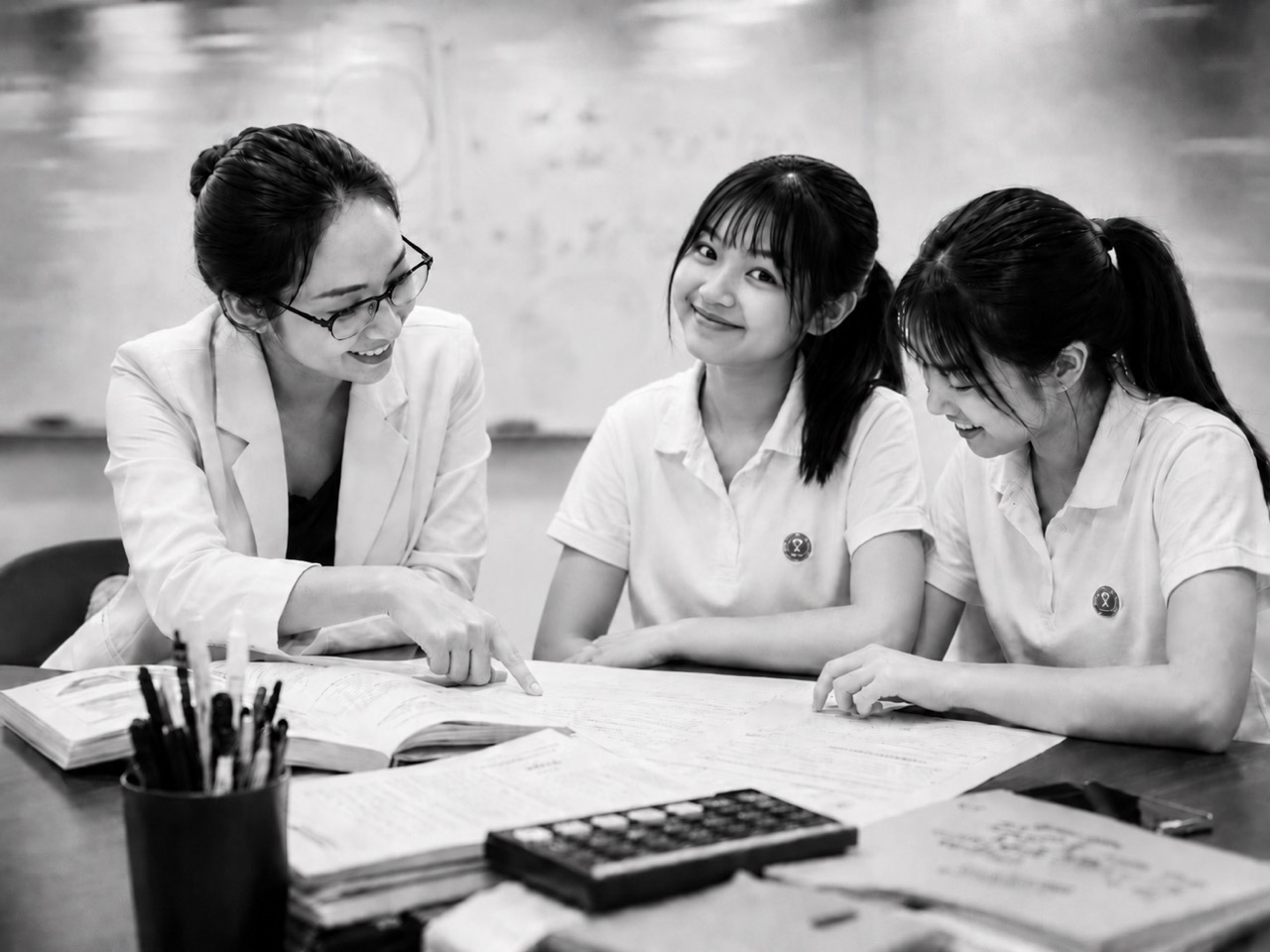
A Holistic Approach to English Tuition: Elevating Singapore’s Primary 1 Learners
Summary for Parents:
- Understanding holistic English tuition methods.
- Learning and preparation strategies for Primary 1 English.
- Identifying resources and external help for English proficiency.
1. Understanding Holistic English Tuition
A holistic approach to English tuition in the context of Singapore’s Primary 1 education refers to an all-encompassing method that acknowledges and nurtures a child’s intellectual, emotional, social, and physical learning abilities. It’s not solely about mastering grammar, vocabulary, and syntax; it’s about cultivating confident, expressive, and empathetic learners who can communicate effectively. In holistic English tuition, educators use a multitude of teaching techniques, aiming to create an environment where learning is enjoyable, engaging, and relevant to the real world. Interactive stories, role-playing, and participatory discussions are used to bring English lessons to life. Through these activities, children learn to apply their English skills in various contexts, improving not only their language proficiency but also their critical thinking and problem-solving abilities.
2. Learning and Preparation Strategies for Primary 1 English
Read Extensively
Extensive reading forms the bedrock of English proficiency. Encourage your child to read widely across genres, from storybooks to non-fiction material, to enhance their understanding and use of English.
Engage in Conversational English
Engaging in regular English conversation helps develop a child’s listening and speaking skills. Use daily opportunities such as mealtimes or car rides to converse with your child in English, encouraging them to express their thoughts and feelings.
Play Educational Games
Educational games make learning English fun and interactive. Word puzzles, spelling bees, and online games can stimulate a child’s interest and make the learning process more enjoyable.
Use Digital Tools
Many digital tools offer interactive and engaging English lessons. Apps like Duolingo, Rosetta Stone, and BBC Learning English can enhance vocabulary, grammar, listening, and reading skills.
3. External Help and Resources for English Proficiency
While parental support is crucial in nurturing a child’s English proficiency, professional help can further elevate the learning experience. Experienced English tutors in Singapore provide tailored lessons that cater to each child’s learning pace and style. They employ a holistic approach, focusing on critical thinking, comprehension, writing, and speaking skills.
English Tuition Centers
Singapore is home to many reputable English tuition centers. These centers offer focused programs designed to enhance primary school students’ English skills. Click here to enrol at eduKateSingapore.com
Online Tuition Services
Online tuition is a convenient alternative to traditional tuition centers. Platforms such as MyOnlineTutor and ManyTutors offer a range of online English tuition services for Singapore’s Primary 1 students.
Tuition Grants and Scholarships
There are also grants and scholarships available for families that need financial assistance for English tuition. Organisations like The Straits Times School Pocket Money Fund provide help to families in need.
4. The Imperative of English Proficiency
English proficiency is critical in today’s globalized world. It’s the primary medium of instruction in Singapore’s education system and the business language worldwide. Mastering English from a young age sets a strong foundation for future academic and professional success.It’s important to note that every child learns at their own pace. The goal is not to create undue pressure but to foster a love for the language and a desire to learn. With the right guidance, resources, and a holistic approach to English tuition, Singapore’s Primary 1 students can thrive in their English learning journey.
Click here to enrol at eduKateSingapore.com
