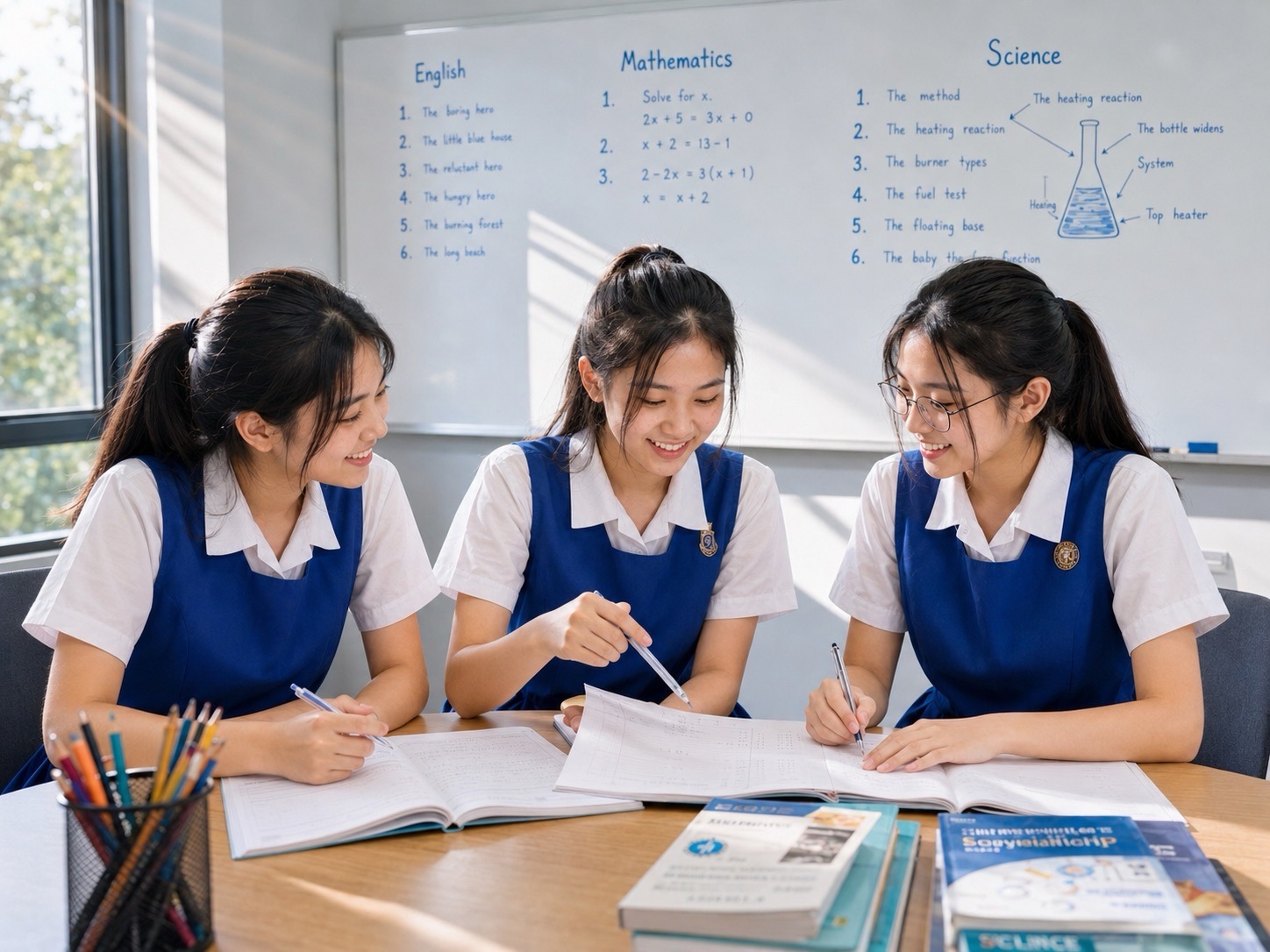
English, being the international language of communication, science, and business, holds immense significance in today’s globalized world. With the aim of fostering this critical skill, we at Punggol Tuition Centre offer specialized Primary English Tuition. Our comprehensive program is designed to guide your child on the path to mastering English, thereby unlocking limitless academic and professional opportunities.
Have a look at some of our English Tutorial materials here:
- Back to our main article: English Primary Overview
- Our Composition Writing section: Creative Writing Materials Primary Schools
- Latest SEAB MOE English Syllabus here
The Crucial Role of English Proficiency
English serves as a bridge connecting diverse cultures, opening doors to worldwide communication and understanding. Moreover, as the medium of instruction in Singapore, its mastery is key to academic success and overall comprehension across subjects. Recognizing its importance, we have tailored our Primary English Tuition at Punggol to instill this vital skill in students.
Why Choose Primary English Tuition at Punggol?
Punggol Tuition Centre provides an ideal learning environment that promotes knowledge acquisition and intellectual growth. Our unique teaching methodologies, designed to meet each student’s distinct learning style, ensure that every child reaches their full academic potential.
Our Comprehensive Approach to Primary English Tuition
Our approach to Primary English Tuition is holistic, encompassing all core components of the English language:
- Interactive Teaching Methods: We employ a range of teaching techniques to promote active learning, including multimedia presentations, group discussions, and role-play activities.
- Customized Learning Plans: Understanding that each student’s learning style is unique, we design tailored lesson plans that allow them to learn at their own pace.
- Well-rounded Curriculum: Our curriculum covers all critical aspects of English, including grammar, vocabulary, reading comprehension, creative writing, and oral communication. This ensures a comprehensive education in English.
- Ongoing Progress Tracking: We conduct regular evaluations to monitor each student’s progress, identifying their strengths and addressing areas that need improvement.
The Benefits of Primary English Tuition at Punggol
Our Primary English Tuition at Punggol offers several advantages:
- Improved English Skills: Regular practice under expert guidance ensures a significant improvement in students’ English language abilities.
- Boosted Confidence: Our supportive learning environment fosters self-expression, significantly boosting students’ confidence in their English skills.
- Enhanced Academic Performance: Proficiency in English aids understanding in all subjects, leading to improved overall academic performance.
- Fostering a Love for Learning: Beyond academics, we aim to instill a love for learning and the English language in our students.
Success Stories from Punggol Tuition Centre
We have numerous success stories of students transitioning from struggling with English to becoming proficient, confident users of the language. Their remarkable progress stands testament to the effectiveness of our Primary English Tuition.
Conclusion
In the global landscape, English proficiency is a critical asset. Our Master English: Primary Classes at Punggol provide a thorough, personalized, and engaging learning experience aimed at boosting English skills.
Embark on a journey towards English mastery. Watch your child transform into a confident and proficient English user, prepared to seize global opportunities. Your child’s pathway to success begins with Primary English Tuition at Punggol.
Click here to enrol at eduKateSingapore.com
Build a strong foundation!
