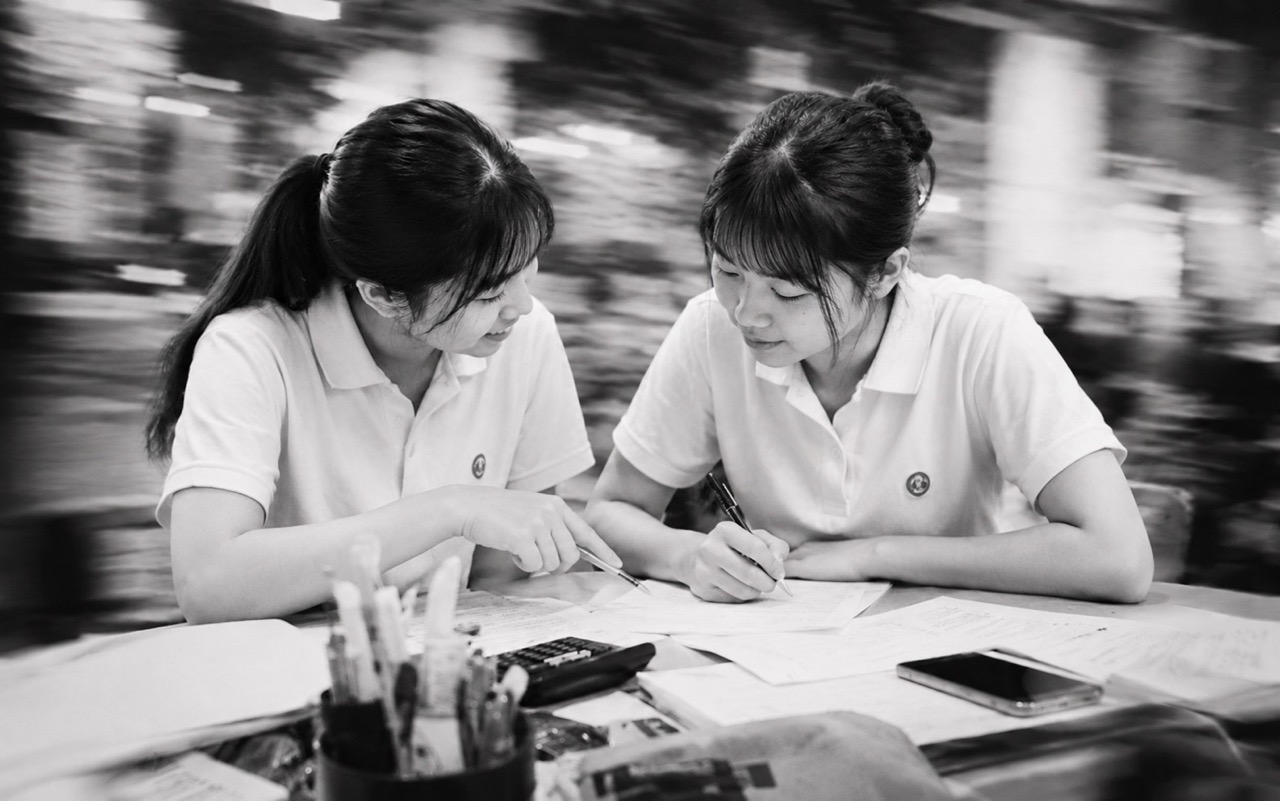
P5 English Tuition
Prepare for P5 English Tuition: Integrating Personalized Learning Technologies
Primary 5 is a crucial stage in the Singapore education system. It’s a time when students are expected to exhibit a higher level of understanding and proficiency in English. This includes advanced reading comprehension, effective writing skills, and the ability to engage in complex conversations. P5 English Tuition at this level, therefore, becomes instrumental in bridging any gaps and enhancing a student’s command over the language.
Join Us! Unlock Your Child’s Potential with eduKate Singapore’s P5 English Tuition
🌟 Build a Strong Foundation for PSLE Success
Are you seeking a transformative learning journey for your P5 child? Look no further! At eduKate Singapore, we understand the pivotal role P5 plays in preparing for the PSLE English examinations. Our tailored P5 English Tuition program is designed to nurture your child’s interest and understanding in a crucial year, setting them up for success in P6 and beyond.
📚 Why Choose eduKate Singapore for P5 English Tuition?
- Expert Tutors: Our dedicated team of tutors specializes in nurturing young minds, offering personalized support to meet each child’s unique needs.
- Engaging Curriculum: We blend the MOE SEAB guidelines with interactive and innovative teaching methods, ensuring a dynamic and effective learning experience.
- Future-Ready Skills: Beyond PSLE preparation, we focus on equipping students with critical thinking, problem-solving, and creative skills essential for the future.
💡 Join the eduKate Family Today!
- Limited Slots Available: Our classes are intentionally kept small for optimal learning. Secure your spot now!
- See Real Results: Join the many satisfied parents who have witnessed remarkable improvements in their children’s English proficiency.
🌟 Take the First Step Towards Academic Excellence Enrol your child in eduKate Singapore’s P5 English Tuition today and be a part of their journey to academic excellence. Let’s pave the way for their PSLE success together!
📞 Contact Us Now To learn more or to register, visit eduKateSingapore.com or call us at +65 88231234. Your child’s brighter future awaits!
In the ever-evolving landscape of education, the integration of personalized learning technologies has become increasingly relevant, particularly in the context of primary English education. A study by Bunting, Hård af Segerstad, and Barendregt (2020) provides valuable insights into this domain, specifically focusing on Swedish primary school teachers’ perspectives on such technologies for teaching reading in English classrooms. Their findings, along with a blend of effective strategies for P5 students, offer a comprehensive approach to enhancing English language skills.
Embracing Personalized Learning in P5 English Tuition
The need for personalized learning strategies in English tuition, especially at the P5 level, is underscored by the diversity in student learning paces and styles. As identified by Bunting et al. in their research within the iRead project, teachers recognize the potential of personalized learning technologies in bridging competence gaps among students (Bunting, Hård af Segerstad, & Barendregt, 2020). By integrating such technologies into a “Primary English Masterclass,” educators can offer tailor-made learning experiences that cater to individual student needs.
Effective English Strategies for P5 Students
To optimize learning outcomes, a combination of traditional and technology-driven methods should be employed. Key strategies include:
- Reading Comprehension Tools: Leveraging apps and software that adapt to each student’s reading level can significantly enhance comprehension skills.
- Interactive Grammar Exercises: Utilizing interactive platforms helps in making grammar learning more engaging and effective.
- Vocabulary Building Apps: Personalized vocabulary apps can aid in expanding students’ word bank in a fun and interactive manner.
The Role of Human Interaction
Despite the advantages of technology, the importance of human interaction, as highlighted in the study, cannot be overstated (Bunting, Hård af Segerstad, & Barendregt, 2020). Regular discussions, storytelling sessions, and group activities remain crucial for developing communication skills and should be integral parts of any “P5 English Tuition” program.
Overcoming Challenges
While integrating technology in English tuition presents numerous benefits, challenges such as aligning with curricular goals and ensuring effective teacher-student interaction must be addressed. Teachers should be trained not only to use these technologies but also to effectively blend them with traditional teaching methods.
The journey of preparing for P5 English involves a balanced integration of personalized learning technologies and traditional teaching methods. Following insights from studies like that of Bunting et al. (2020), educators can design more effective and engaging English tuition programs for primary students. By embracing both innovative tools and human-centric approaches, we can enrich the English learning experience for P5 students, setting a strong foundation for their future academic endeavors.
References
Bunting, L., Hård af Segerstad, Y., & Barendregt, W. (2020). Swedish teachers’ views on the use of personalised learning technologies for teaching children reading in the English classroom. [Article]. Retrieved from https://www.sciencedirect.com/science/article/pii/S2212868920300490
Benefits of P5 English Tuition
Personalized Learning Experience
One of the primary advantages of P5 English tuition is the personalized attention students receive. Tutors can tailor lessons according to individual learning styles and needs, ensuring that each student grasps the nuances of the language effectively.
Enhanced Comprehension Skills
English tuition focuses on improving reading and comprehension skills. Tutors employ various strategies, including story analysis, critical thinking exercises, and vocabulary expansion, which are essential for understanding complex texts and questions.
Advanced Writing Techniques
P5 students are introduced to more sophisticated writing tasks. English tuition aids in honing their writing skills, teaching them how to structure essays, use descriptive language effectively, and develop a coherent argument.
Mastery of Grammar and Vocabulary
A strong grasp of grammar and an extensive vocabulary are crucial for English proficiency. Tuition provides targeted exercises and practices to deepen understanding and usage of grammatical structures and vocabulary.
Leveraging Technology in P5 English Tuition
AI-Powered Learning Tools
The integration of AI-powered tools in English tuition can offer customized learning experiences and instant feedback, making the learning process more efficient and engaging for P5 students.
Online Resources and Interactive Platforms
The use of online resources and interactive platforms can supplement traditional learning methods, providing diverse materials such as e-books, educational games, and quizzes that make learning English more enjoyable and effective.
The Future of English Tuition
As we look ahead, the landscape of English tuition is increasingly being shaped by technological advancements. Data-driven insights and analytics are playing a significant role in understanding student performance, allowing tutors to adapt teaching methods for optimal learning outcomes.
The Future after P5 English Tuition
Creating an analytical article that forecasts the future of education for a current P5 (Primary 5) English student in the context of the Singapore Education System (specifically referencing the MOE SEAB guidelines) and extending this into a theoretical future requires a multi-dimensional approach. Here, we blend current educational trends with potential future developments, considering technological advancements, societal shifts, and evolving academic paradigms. Let’s explore four potential scenarios over the next 10 to 20 years.
Scenario 1: Integration of Advanced EdTech and Personalized Learning
Future Insight: In this scenario, educational technology (EdTech) becomes highly sophisticated, offering personalized learning experiences. AI-driven platforms can adapt curriculum content to suit individual learning styles and paces, a step beyond the MOE SEAB’s current framework.
Implications for P5 PSLE English Tuition: English tuition incorporates AI tutors that provide real-time feedback, customize learning resources, and focus on areas needing improvement. This personalized approach ensures that students not only meet but exceed MOE SEAB standards, preparing them for a future where adaptive learning is the norm.
Scenario 2: Globalized and Multilingual Education Systems
Future Insight: The increasing globalization of education emphasizes multilingual capabilities. English remains a crucial language but is taught alongside other major languages to prepare students for a globalized workforce.
Implications for P5 PSLE English Tuition: English tuition in Singapore integrates multilingual elements, encouraging students to draw parallels between English and other languages. This approach aligns with MOE SEAB’s emphasis on bilingual policy but expands it to include global linguistic competencies, preparing students for diverse international environments.
Scenario 3: Emphasis on Critical Thinking and Creative Problem-Solving
Future Insight: Future education systems prioritize critical thinking and creativity over rote learning. Curricula are redesigned to foster analytical skills, problem-solving, and innovative thinking.
Implications for P5 PSLE English Tuition: English tuition evolves to focus more on developing critical thinking and creative writing skills. Students engage in complex problem-solving activities, discussions, and project-based learning, aligning with MOE SEAB’s focus on holistic education while preparing students for a future where these skills are paramount.
Scenario 4: Eco-centric and Sustainable Education
Future Insight: With growing concerns about environmental sustainability, education systems integrate eco-centric values. Learning encompasses not only traditional subjects but also knowledge about sustainability and environmental stewardship.
Implications for P5 PSLE English Tuition: English tuition includes themes of sustainability and environmental awareness. Textual analysis, comprehension, and composition tasks involve environmental topics, preparing students to be eco-conscious citizens. This approach aligns with the holistic educational goals of MOE SEAB and equips students with the awareness needed for future ecological challenges.