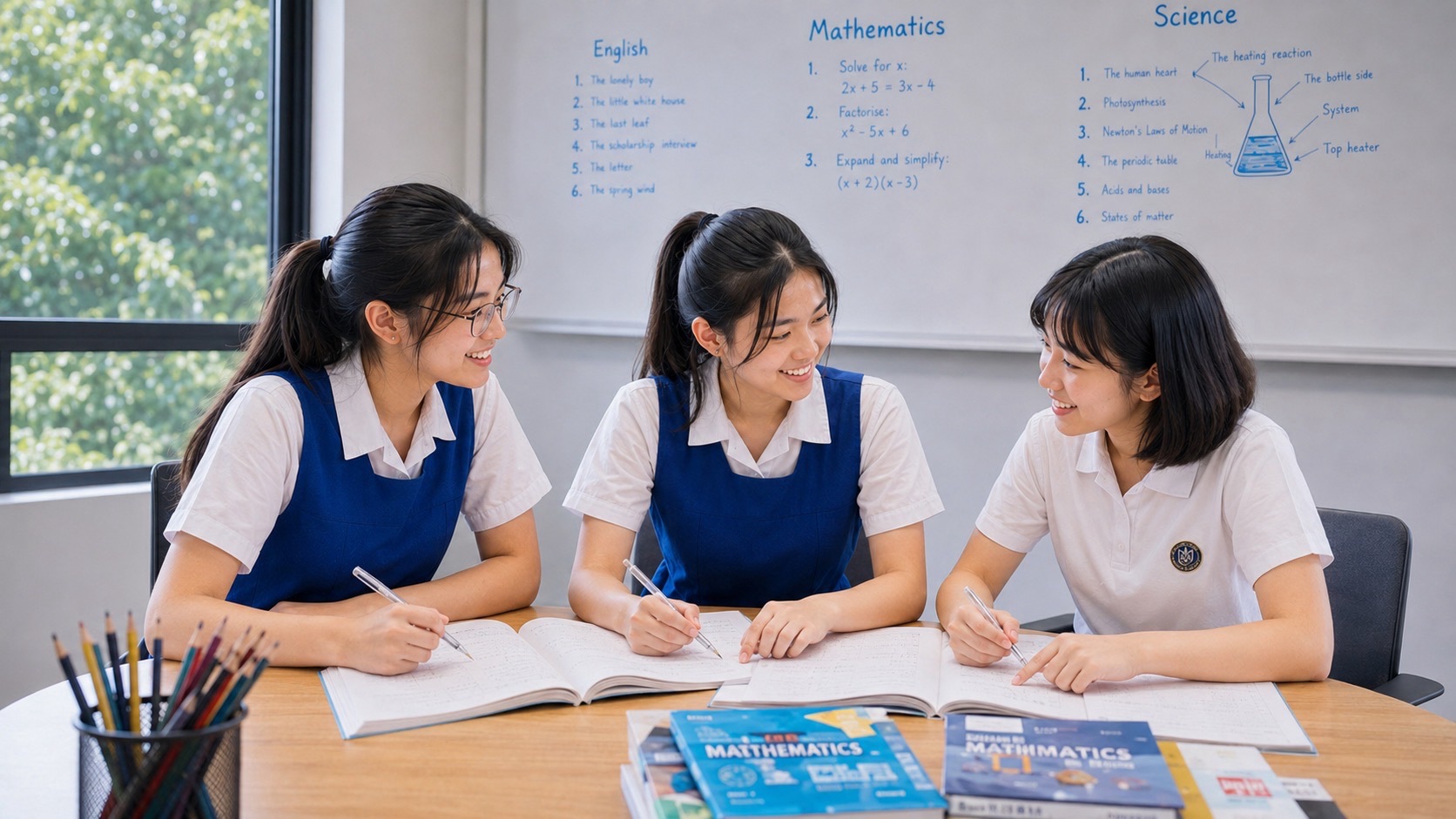
Crafting Engaging Introductions: Mastering the First Step in PSLE English Composition with Primary English Tuition
Introduction
The introduction is the doorway to your composition. It’s the first impression you give to your readers, and as the saying goes, ‘you never get a second chance to make a first impression.’ This article discusses the significance of introductions in PSLE English Composition and how Primary English Tuition can equip your child with the necessary skills to write compelling introductions.
The Importance of a Strong Introduction in PSLE English Composition
A compelling introduction serves several purposes in PSLE English Composition:
- Engage Readers: A well-written introduction captivates readers’ attention, encouraging them to read further.
- Establish Context: It sets the stage for the story or argument by providing necessary background information.
- Present Thesis: The introduction houses the thesis statement or the main idea, laying the groundwork for the ensuing arguments or plot.
- Showcase Writing Style: The introduction is an opportunity for students to showcase their command of language, creativity, and unique writing style, which is a key component of PSLE grading criteria.
Techniques for Writing Engaging Introductions
Start with a Hook
One way to pique your readers’ interest is by starting with a ‘hook’—an intriguing statement, a rhetorical question, a quote, or an anecdote related to the topic. This immediately draws the reader into your story or argument.
Introduce the Characters or Issue
Introductions should familiarize readers with the main characters in your story or the issue being discussed. Provide sufficient details to pique interest but not so much as to overwhelm or bore the reader.
Set the Scene
Establish the setting of your story. Is it taking place in a bustling city or a tranquil village? In the present or the past? Setting the scene helps readers visualize the narrative.
Present the Thesis
If you are writing an argumentative essay, make sure to include a clear thesis statement. This statement should concisely present your main argument or the point you want to make.
How Primary English Tuition Helps in Crafting Engaging Introductions
Teaching Writing Techniques
Primary English Tuition programs usually include lessons focusing on writing techniques such as crafting hooks, setting the scene, and presenting a clear thesis.
Providing Model Introductions
Tutors often provide students with model introductions and analyze them together. This helps students understand the elements that make an introduction effective.
Offering Personalized Feedback
Tutors provide students with constructive feedback on their introductions, pointing out strengths and areas for improvement. This personalized attention helps students understand their mistakes and learn how to improve.
Facilitating Regular Practice
Primary English Tuition involves regular writing practice. The more your child practices writing introductions, the better they become at it.
The Role of Parents in Enhancing Their Child’s Introduction Writing Skills
Parents play an essential role in their child’s learning journey. You can support your child’s efforts in writing compelling introductions in several ways:
Encourage Reading
The more your child reads, the more exposure they get to various styles of introductions. Discuss these introductions and what makes them effective.
Facilitate Practice
Encourage your child to write regularly. You can provide them with writing prompts and ask them to craft interesting introductions.
Provide Constructive Feedback
Review your child’s work and offer constructive feedback. Encourage their efforts and guide them to improve.
Conclusion
Mastering the art of crafting compelling introductions is a crucial skill in excelling in the PSLE English Composition. Primary English Tuition offers targeted guidance and ample practice opportunities to develop this skill. With consistent practice, constructive feedback, and the right techniques, your child can captivate readers from the very start of their compositions.
1. Q: What is the purpose of the introduction in a PSLE English Composition?
A: The introduction sets the tone for the entire composition. It introduces the main characters, setting, and the general premise of the story, drawing the reader in from the start.
2. Q: How can my child make their introduction more engaging?
A: Encourage your child to use descriptive language, create intrigue, or pose an interesting question to engage the reader.
3. Q: How long should the introduction be?
A: While there is no set length, the introduction should be concise and engaging. It should be long enough to establish the setting and introduce the main characters, but not too long that it loses the reader’s interest.
4. Q: Should the introduction include a thesis statement like in an essay?
A: Unlike an essay, a narrative composition doesn’t require a thesis statement. However, it should introduce the main idea or theme of the story.
5. Q: Can the introduction start with dialogue?
A: Yes, starting with a piece of interesting dialogue can be an effective way to introduce the characters and grab the reader’s attention.
6. Q: What should be avoided in the introduction?
A: Avoid lengthy descriptions, confusing language, and revealing too much about the story. The introduction should create intrigue, encouraging the reader to continue reading.
7. Q: Should the main conflict be introduced in the introduction?
A: The main conflict can be hinted at in the introduction, but it doesn’t need to be fully introduced until later in the story.
8. Q: Can the introduction be written in the first person?
A: Yes, the introduction can be written in first person if the rest of the composition is also written in this perspective.
9. Q: Should the introduction be connected to the conclusion?
A: Ideally, the introduction and conclusion should be connected in a way that gives the story a satisfying circular structure.
10. Q: What if my child struggles to write an engaging introduction?
A: Encourage your child to start by writing the rest of the story first. They might find it easier to write an engaging introduction once they know how the story develops.
11. Q: Should the setting be introduced in the introduction?
A: Yes, briefly describing the setting in the introduction helps to set the scene for the reader.
12. Q: How can my child practice writing introductions?
A: Encourage your child to experiment with different ways of starting their stories. Reading a variety of books can also provide them with inspiration and examples.
13. Q: How important is the introduction in the overall composition?
A: The introduction is very important as it sets the tone for the whole composition and encourages the reader to continue reading.
14. Q: Can the introduction include a flashback?
A: Yes, starting with a flashback can be an effective way to engage the reader, as long as it’s clear and not confusing.
15. Q: Can the introduction be a single sentence?
A: While it’s possible to have a one-sentence introduction, it might not provide enough information to set the scene and engage the reader.
16. Q: Should the introduction include the main character’s background?
A: It’s not necessary to include the main character’s full background, but a few key details can help to establish their personality and motivations.
17. Q: Can the introduction be a question?
A: Starting with a rhetorical question can be an effective way to engage the reader’s curiosity.
18. Q: Can the introduction be written in the present tense?
A: Yes, the introduction can be written in the present tense to create a sense of immediacy, as long as the rest of the story follows the same tense.
19. Q: Should the introduction hint at the story’s climax?
A: It’s not necessary to hint at the climax, but creating some foreshadowing can add depth to the story.
20. Q: How can my child develop their introduction writing skills?
A: Encourage your child to read a wide variety of books and analyse the introductions. Practice writing introductions to different types of stories can also help to improve their skills.
