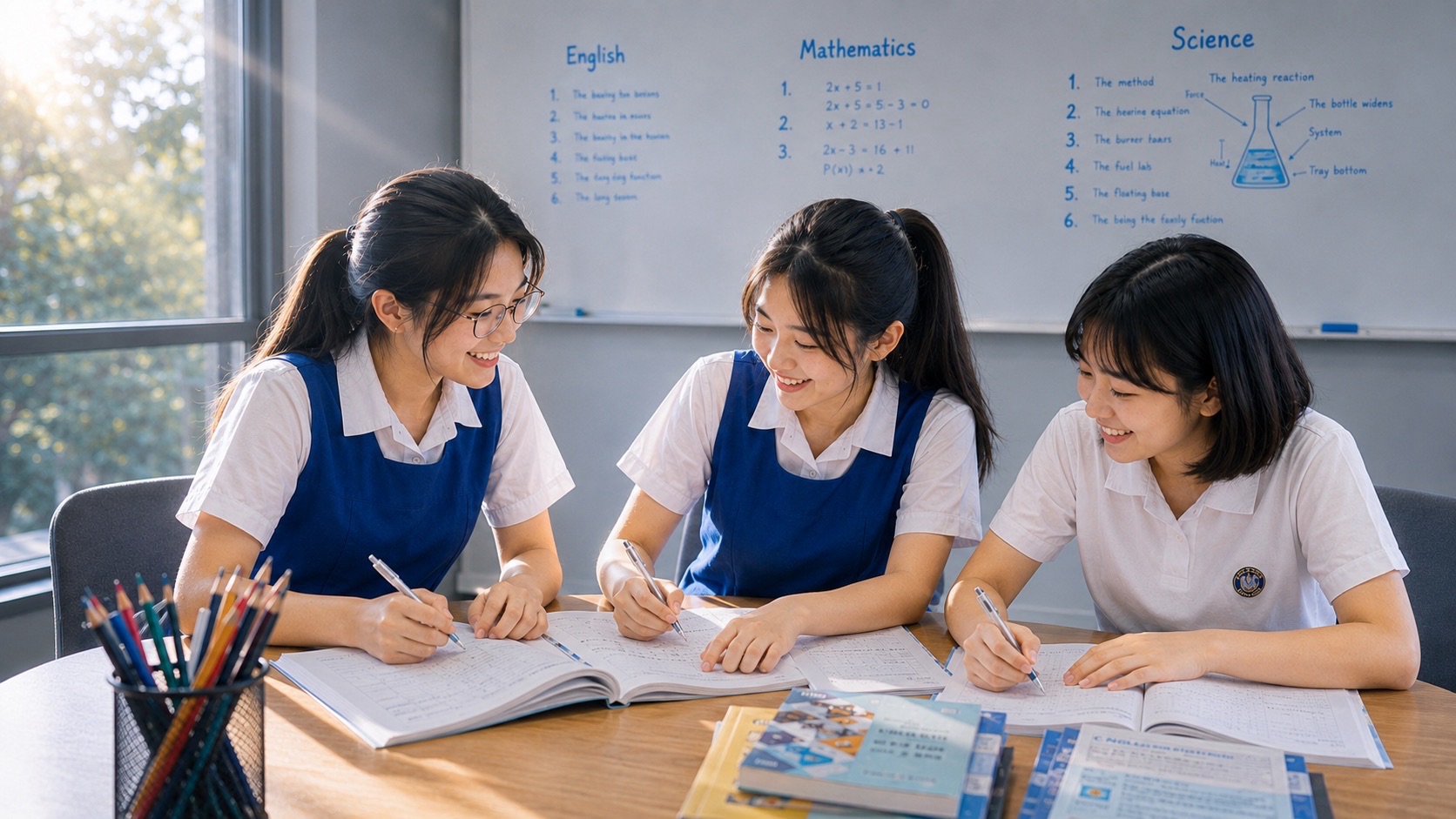
Enhancing English Proficiency with Tuition Programs for Primary Schools in Singapore
Introduction
English language acquisition plays a pivotal role in the academic development of children in Singapore. With growing global integration, a solid foundation in English, the lingua franca of the world, can significantly contribute to a child’s future success. English tuition programs for primary schools in Singapore are designed to enhance a child’s grammar and vocabulary skills, thereby bolstering their overall language competency.
Key Points:
- Importance of English tuition programs for primary schools in Singapore
- How these programs enhance a child’s grammar and vocabulary
- Preparation for English examinations
- Tips for doing well in the Composition section
- Strategies for answering long structured Comprehension questions comprehensively
- Ways to improve overall English proficiency
The Importance of English Tuition Programs for Primary Schools in Singapore
English tuition programs offer tailored learning strategies to meet the individual needs of each student. The programs help bridge the gap between school curriculum and the student’s understanding, offering an in-depth, personalized approach to learning. Through these programs, students are given the chance to enhance their skills in a conducive learning environment.
Enhancing Grammar and Vocabulary through Tuition Programs
English tuition programs focus on key areas of language learning such as grammar and vocabulary. Through interactive teaching methods, children are exposed to a wide range of words and phrases. The constant repetition of these words in various contexts allows students to better understand their meaning and usage.Additionally, grammar – the backbone of any language – is emphasized in these programs. Students are taught the rules and principles of English grammar, enabling them to construct sentences correctly and communicate effectively.
Preparing for English Examinations
Preparing for English examinations involves more than just mastering grammar and vocabulary. English tuition programs equip students with techniques to answer various question types, from multiple choice questions to long structured questions. By regularly practicing these techniques, students can understand the question requirements, manage their time efficiently, and craft well-thought-out answers.
Doing Well in the Composition Section
The Composition section tests a student’s ability to express their thoughts clearly and coherently. Here are some ways English tuition programs can help:
- Idea Development: Students are taught how to develop and organize ideas into a coherent narrative.
- Language Use: Tuition programs place significant emphasis on proper language use, helping students avoid common mistakes and express their ideas effectively.
- Writing Techniques: Students learn different writing techniques such as how to use descriptive language, create suspense, and develop characters, thereby enhancing their storytelling skills.
Answering Comprehension Questions Comprehensively
Answering comprehension questions requires critical reading and understanding. English tuition programs offer strategies such as:
- Understanding the Passage: Programs teach students to identify main ideas, supporting details, and the author’s purpose.
- Answering Techniques: Students learn how to identify what each question requires and how to write comprehensive answers.
- Time Management: Through regular practice, students learn to manage their time effectively, ensuring they answer all questions within the stipulated time.
Improving Overall English Proficiency
English tuition programs for primary schools in Singapore provide an all-encompassing approach to improve English proficiency. They not only focus on exam skills but also incorporate elements such as reading widely, engaging in meaningful conversations, and appreciating English literature. This holistic approach ensures that students develop an interest and love for the language, setting them up for success in their English learning journey.
Conclusion
A strong foundation in English is crucial for academic success and beyond. English tuition programs for primary schools in Singapore are designed to boost a child’s grammar, vocabulary, and overall language proficiency, while also teaching them the skills needed to excel in exams. By nurturing an interest in the language and building a solid foundation, these programs equip students with the tools necessary for lifelong success in English.
