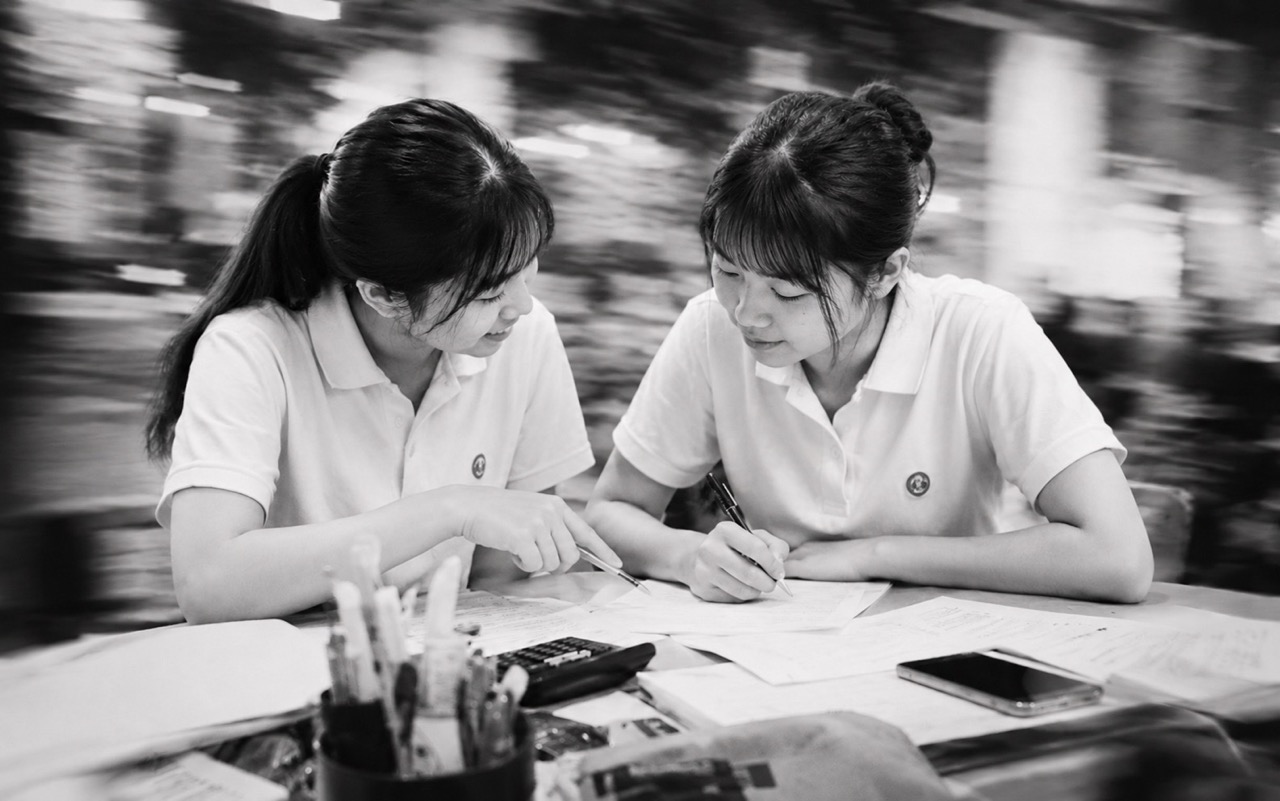
How a Primary 2 Student Learns English: Understanding the Mind of a 7–8 Year Old Learner
At Primary 2, children are at a key stage in their learning journey. English is no longer just about ABCs—it becomes the language through which they understand the world, express emotions, and develop thinking skills. Knowing how a Primary 2 student learns English can help parents and educators provide meaningful support, while preparing children early for PSLE English success.
🎯 Most importantly: Never underestimate their learning ability. Children at this age often surprise us with how much they can absorb when they are challenged just beyond their comfort zone.
📚 1. They Learn English Through Meaningful Contexts
Primary 2 students don’t learn language in isolation. They understand and retain vocabulary best when it is tied to meaningful, real-life situations—through stories, visuals, or daily conversations.
- 🧠 They ask: “What does this word mean for me?”
- 📖 They need: Context-rich lessons, not rote memorisation
Teaching Tip: Use storybooks, picture prompts, or roleplay. Link new vocabulary to real-life experiences (e.g. “grateful” = how they feel when receiving a gift).
🗣️ 2. They Build Language Through Repetition and Interaction
Repetition isn’t boring for 7–8 year olds—it’s essential. When Primary 2 students hear, say, read, and write a word across different activities, the language becomes part of their long-term memory.
- 🧠 They absorb through hearing and speaking first
- 📖 They begin to write independently but still rely on support
Teaching Tip: Reinforce new vocabulary over a week—during reading, spelling, speaking, and writing. Group-based language games work well.
🧠 3. They Learn Best Through Curiosity and Emotion
At this age, children are highly curious and emotionally driven. They retain words and ideas better when the lesson taps into their interests, humour, or emotions.
- 🧠 They remember: Funny, touching, or surprising stories
- 📖 They learn: When they care about the topic
Teaching Tip: Introduce engaging themes (e.g. animals, superheroes, friendship). Ask opinion-based questions like “How would you feel if…?”
🧱 4. They Start Organising Language Logically
By Primary 2, children begin to notice how English works structurally. They can form compound sentences, sequence events, and understand grammar rules (e.g. tenses, plurals, prepositions).
- 🧠 They try to: Write in full sentences, tell stories in order
- 📖 They struggle with: Grammar consistency and sentence variation
Teaching Tip: Teach through sentence-building, sequencing games, and cloze passages. Use colour-coding to show grammar parts (e.g. nouns in red, verbs in blue).
🧠 5. They Are Capable of Higher-Level Thinking—More Than You Think
It’s easy to assume that a Primary 2 child needs only basic language exposure. But the reality is: they can handle more complexity than we expect—if the support is there.
🌱 Children this age are beginning to understand cause and effect, infer meaning, and recognise patterns in text.
- 🧠 They benefit from: “Stretch” tasks (higher-level vocabulary, inferential questions)
- 📖 They enjoy: Feeling “smart” and capable when challenged appropriately
Teaching Tip: Introduce one “higher-level” element per week—an idiom, a metaphor, a comprehension passage with inference.
🧠 6. They Learn English by Connecting to Their Identity
Language becomes personal in Primary 2. Students begin to see themselves as readers, writers, and speakers. If they feel “bad at English,” it affects their confidence, effort, and willingness to try.
- 🧠 They say: “I’m not good at this” — if they feel confused or left behind
- 📖 They grow: When lessons are affirming and encouraging
Teaching Tip: Celebrate effort, not just correct answers. Give students opportunities to speak, perform, and present confidently in English.
💡 Key Insight: They Learn When You Believe They Can
The most important mindset when teaching Primary 2 English?
🔑 Never underestimate a child’s ability to learn.
When we gently challenge them with concepts just above their current level, they often rise to meet the expectation.
This belief helps develop a growth mindset—a critical part of building resilience for upper primary and PSLE success.
✅ Summary Table: How Primary 2 Students Learn English Effectively
| Learning Mode | What They Need Most |
|---|---|
| Vocabulary Learning | Context, emotion, visuals |
| Grammar & Structure | Sentence building, storytelling, colour-coding |
| Speaking & Listening | Daily practice, interaction, repetition |
| Reading Comprehension | Interesting topics, inferential questions, discussion |
| Writing Skills | Sentence starters, scaffolds, praise for effort |
| Confidence Building | Encouragement, stretch tasks, celebration of growth |
👪 Hybrid Parenting: Balancing High Expectations with Emotional Support
As Primary 2 children begin to build their foundation in English, parents play a defining role in shaping how confident and motivated their child feels toward learning.
One effective approach many modern parents adopt is known as Hybrid Parenting—a style that blends the structured, high-achievement focus often associated with “Tiger Mom” parenting, with the warmth, empathy, and psychological insight of supportive, mindful caregiving.
🎯 The goal? Push when it matters. Support when it counts. Trust when they soar.
🐯 The “Tiger Mom” Element: Setting High Standards Early
There’s no denying the value of firm expectations. Setting clear academic goals in Primary 2—such as mastering spelling lists, reading fluently, or writing complete sentences—helps children understand that learning English is not optional, but essential.
Benefits of High Expectations:
- Builds discipline early
- Encourages goal-setting and self-evaluation
- Normalizes the idea that hard work leads to improvement
✅ At this stage, children need structure—a regular reading routine, scheduled homework time, vocabulary review, and encouragement to attempt harder texts. But strictness must be paired with understanding.
💛 The Supportive Parent: Building Emotional Safety
Children aged 7–8 are sensitive. They are keenly aware of approval and rejection. If they feel they’ve disappointed a parent, it can shape how they see themselves as learners.
What Supportive Parenting Looks Like in English Learning:
- Encouraging effort, not just perfection
“I saw you tried new words in your writing—great work!” - Allowing space for mistakes and learning
“This sentence isn’t quite right—let’s figure out how to improve it.” - Listening to their thoughts and feelings about reading or writing
“What’s your favourite word this week?”
This emotional backing creates resilience—a key predictor of long-term success in English and beyond.
⚖️ Striking the Right Balance: Hybrid Parenting in Action
Primary 2 learners thrive when parents strike a healthy balance between rigour and reassurance.
| Tiger Mom Energy | Supportive Parent Energy |
|---|---|
| “You will revise your spelling list today.” | “Let’s try a fun way to review spelling—maybe a quiz game?” |
| “You should be reading more difficult books.” | “I found this exciting book you might like to try reading with me.” |
| “This composition needs to improve.” | “Let’s sit together and rewrite this ending to make it stronger.” |
🧠 Hybrid parenting says: “I believe in your potential—and I’ll walk with you while you grow into it.”
🧠 Why This Matters for PSLE English (Yes, Even in Primary 2)
Many parents wonder: Is it too early to think about PSLE in Primary 2?
No—but it’s too early to stress about it. Instead, this is the time to build the mental habits that support future success:
- A love for reading
- The confidence to express thoughts clearly
- The discipline to revise and improve
All of these are developed best when the child is stretched just enough to grow—but never too much to break.
💬 “Try something just slightly harder than what they’re used to. Support them, guide them, and then step back and watch them flourish.”
Raise Readers, Not Robots
Primary 2 students are not just learning English to pass exams—they are learning how to think, express, and connect with the world. That’s why the way they’re guided at this age matters deeply.
With hybrid parenting, you give your child:
- The discipline to persevere through challenges,
- The tools to communicate clearly, and
- The confidence to trust their voice.
🌱 English is not just a subject. It’s a gateway to their imagination, intellect, and identity. Raise them with structure. Raise them with heart. You’ll be amazed by what they grow into.
❓ Teaching the “What,” “Why,” and “How”: Nurturing Lifelong Curiosity in Primary 2 English Learners
At age 7 or 8, Primary 2 students are not just passive recipients of knowledge—they are natural questioners, eager to understand why things are the way they are. It is a crucial age to honour their curiosity and train them to be thinkers, not just followers.
This is where a simple teaching framework becomes incredibly powerful:
🔍 1. The “What” – Clarity Builds Confidence
Children need to first know what they are learning. In English, this could mean:
- What is a noun?
- What are adjectives?
- What is a full sentence?
Clear explanations give them security and structure. When students know what they’re supposed to learn, they feel grounded and are more willing to engage.
Tip for Parents/Teachers:
Say it simply, repeat it often, and let them try it for themselves.
🤔 2. The “Why” – Curiosity Sparks Motivation
The why is where magic happens.
Why do we learn adjectives?
Why should my sentence have punctuation?
Why do we read stories?
When children understand the purpose behind their learning, they are far more motivated to master it. Primary 2 is the ideal time to nurture this curiosity—because sadly, not every child carries their “why” into the teenage years.
🧠 If children are constantly told what to do but never why, they stop asking.
📉 By Secondary school, many students don’t even wonder anymore—they just comply, or resist altogether.
Don’t let their curiosity fade. Feed it now.
🛠️ 3. The “How” – Learning to Learn
Once they understand what and why, we move to how.
How do I write a better sentence?
How do I improve my spelling?
How can I remember vocabulary words?
This is where teaching becomes empowering. We are not giving them fish—we are teaching them how to fish. When children know how to improve, they become independent learners, and this self-agency will carry them through PSLE and beyond.
🚸 Why Some Children Stop Asking “Why” (and How to Prevent It)
By the time children become teenagers, many stop asking “why.”
They go from curious explorers to silent executors—or worse, disengaged drifters.
Why does this happen?
- Adults stop answering their questions.
“Just do it. Because I said so.”—These words shut doors. - They are penalized for asking too much.
In overly rigid environments, questioning is mistaken for disobedience. - They’ve learned that asking ‘why’ doesn’t change anything.
If their voice doesn’t matter, they stop using it.
That’s why, in Primary 2, we must welcome every “why” with open arms. Even if the question is repeated, odd, or seemingly irrelevant—it’s a sign their brain is stretching and connecting.
🧡 Build the Thinker Before the Student
English is not just about grammar, spelling, and comprehension. It’s about:
- Thinking clearly
- Asking meaningfully
- Expressing confidently
When a Primary 2 child asks “why,” treat it as gold.
When they struggle with the “how,” walk beside them.
And always tell them “what” they are learning and why it matters.
Because one day, they might stop asking. But the children who keep asking become the adults who keep growing.
🧠 Final Thought:
Primary 2 is not too early to build the foundation for PSLE English. In fact, it’s the best time to develop a strong relationship with the language. By understanding how a 7–8 year old learns—through emotion, repetition, logic, and challenge—we can help them unlock their true potential.
📚 Give them space to grow. Be patient but bold. And remember:
Try something harder than you think they can do—you’ll be amazed by how much they can absorb.
