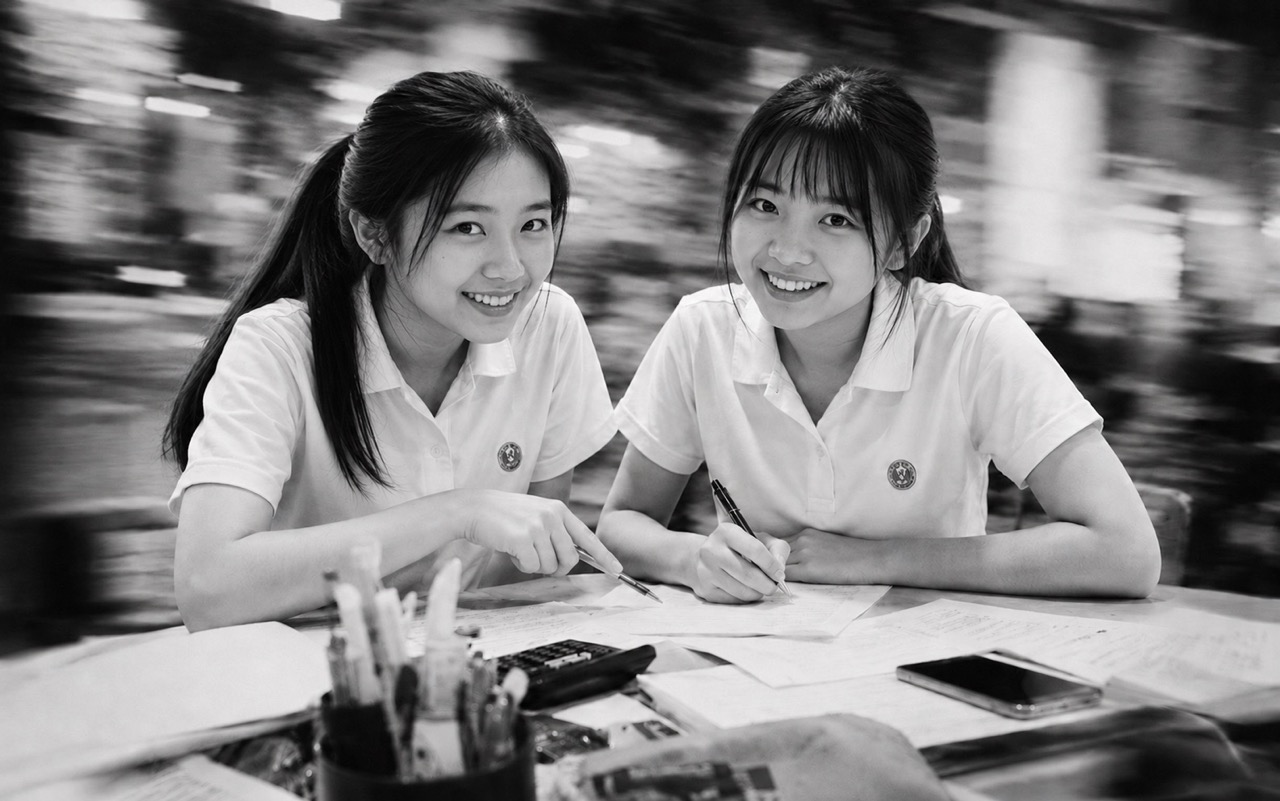
Creative Writing: Localised Content
In the realm of creative writing, harnessing the power of your own cultural background can elevate your storytelling to new heights. By integrating local culture into your narratives, you can enhance the authenticity and depth of your stories, making them more relatable and engaging. Whether it’s the vibrant settings, rich traditions, or unique languages and dialects, these elements infuse your writing with a distinctive flavor. Embracing local customs, landscapes, and societal nuances allows you to create a vivid, immersive world that resonates with readers who share your culture and offers fresh perspectives to those who don’t. This approach not only enriches your narrative but also celebrates and preserves your cultural heritage through compelling storytelling.
Enhancing Authenticity in Creative Writing Through Cultural Integration
Understanding and integrating your own culture into creative writing can significantly enrich the authenticity and depth of your story’s background. By drawing from local customs, traditions, landscapes, and societal nuances, your writing gains a unique flavor that deeply resonates with readers familiar with that culture and introduces a rich, vivid world to those who are not.
Tips for Writing Localized Content
Incorporate Local Settings:
Use specific locations in your story, such as iconic landmarks, neighborhoods, or natural features unique to your culture. For example, setting a story in a bustling hawker center or along the Singapore River immediately grounds it in a recognizable context for Singaporean readers.
Use Cultural References:
Integrate local traditions, festivals, or daily practices into your narrative. Mentioning preparations for Chinese New Year or the significance of Hari Raya Puasa can add depth to your characters’ lives and motivations, making them more relatable and real.
Reflect Local Dialects and Languages:
Including local dialects, phrases, or a mix of languages (like Singlish in Singapore) can make dialogue more authentic and relatable. Ensure that the use of language enhances the narrative, providing clarity and depth without confusing the reader.
Show Cultural Values and Beliefs:
Characters can be deeply influenced by the cultural values and beliefs they hold. In Singapore, themes like filial piety, respect for elders, or the importance of education can be powerful drivers of character behavior and conflict, adding complexity and realism to the story.
Highlight Local Food and Cuisine:
Food is a central part of culture and can evoke strong sensory experiences in writing. Describing the aromas, flavors, and communal aspects of eating local dishes like Hainanese chicken rice or laksa can vividly anchor the story in its cultural setting, making the environment come alive for the reader.
Explore Social Issues:
Addressing social issues relevant to your culture can add layers of realism and provoke thoughtful reflection. In Singapore, for example, exploring topics like the balance between tradition and modernity, the pressures of academic success, or the multicultural coexistence within society can create a narrative that is both engaging and meaningful.
Include Folklore and Myths:
Drawing on local folklore, myths, or legends can add a magical or historical dimension to your writing. This technique introduces cultural heritage subtly yet impactfully, enriching the story with depth and tradition.
Emphasize Local Clothing and Fashion:
Describing traditional attire or local fashion trends helps paint a vivid picture of the characters and their environment, grounding the story in a specific time and place. This attention to detail enhances the authenticity and cultural richness of the narrative.
Example of Localized Creative Writing
Imagine a story set during the Hungry Ghost Festival in Singapore. The protagonist, a young girl, navigates the streets filled with incense smoke and offerings laid out for wandering spirits. The story explores themes of fear, respect for the supernatural, and the blend of modern and traditional beliefs that influence her actions. The background is rich with cultural details: the burning of joss paper, the sound of Teochew opera performances, and the eerie yet festive atmosphere of the neighborhood.
Celebrating Cultural Heritage Through Storytelling
By understanding and weaving your own culture into the fabric of your creative writing, you create not only a compelling and authentic background but also celebrate and preserve the uniqueness of your heritage. This cultural richness enhances the story’s appeal, connecting with readers on a deeper level and offering a glimpse into the vibrant world that shapes your characters and narratives.
Localised Singapore Context for Creative Writing
When writing localized content, especially in a context-rich environment like Singapore, there are numerous aspects you can explore. Here’s a comprehensive list of local content topics and themes you can incorporate into your writing:
1. Local Geography and Landmarks
- Iconic Landmarks: Marina Bay Sands, Merlion Park, Gardens by the Bay, Esplanade, Singapore Flyer.
- Neighborhoods: Little India, Chinatown, Kampong Glam, Orchard Road, Tiong Bahru.
- Nature Reserves and Parks: Bukit Timah Nature Reserve, MacRitchie Reservoir, East Coast Park, Pulau Ubin, Southern Ridges.
2. Cultural Festivals and Traditions
- Festivals: Chinese New Year, Hari Raya Puasa, Deepavali, Vesak Day, Thaipusam, Mid-Autumn Festival, Hungry Ghost Festival, National Day.
- Traditional Practices: Lion dance during Chinese New Year, henna application for weddings, the lighting of oil lamps during Deepavali, Ramadan fasting and breaking fast at Iftar.
3. Language and Dialects
- Singlish: Unique expressions like “lah,” “lor,” “kiasu,” and “makan.”
- Dialects: Hokkien, Teochew, Cantonese phrases commonly used by older generations.
- Multilingualism: Use of English, Mandarin, Malay, and Tamil in daily communication.
4. Food and Cuisine
- Local Dishes: Hainanese chicken rice, laksa, char kway teow, satay, nasi lemak, roti prata, chili crab.
- Hawker Culture: Describing the vibrant atmosphere of hawker centers like Maxwell Food Centre, Lau Pa Sat, and Newton Food Centre.
- Street Food: Kaya toast, kopi (coffee), ice kachang, and other local snacks.
5. Social Issues and Themes
- Education: PSLE stress, tuition culture, school streaming, and the focus on academic excellence.
- Housing: Life in HDB flats, the kampong spirit, and public housing policies.
- Multiculturalism: Harmony among diverse ethnic groups, racial harmony day, and integration challenges.
- Urbanization: The shift from kampongs to modern city living, environmental sustainability in a densely populated city.
- Work Culture: The “kiasu” mentality, work-life balance, the gig economy, and entrepreneurship in Singapore.
6. Historical and Political Context
- Singapore’s History: From a British colony to an independent nation, the Japanese occupation, the merger and separation from Malaysia.
- Key Historical Events: The founding of modern Singapore by Sir Stamford Raffles, the Singapore River clean-up, the 1964 racial riots.
- Political Landscape: PAP’s dominance, the role of grassroots organizations, national policies like the Speak Good English Movement.
7. Local Folklore, Myths, and Legends
- Folklore: The legend of Redhill, the story of the Bukit Timah Monkey Man, myths about the origins of certain places.
- Superstitions: Beliefs related to numbers, Feng Shui practices, taboos during Hungry Ghost Month.
8. Fashion and Traditional Attire
- Traditional Clothing: Cheongsam, baju kurung, saree, kebaya, and how they are worn during festivals or significant events.
- Modern Fashion Trends: How local designers incorporate traditional elements into contemporary fashion, street style in Singapore.
9. Local Arts and Entertainment
- Theatre and Performance Arts: Singapore Repertory Theatre, Esplanade performances, local plays, and musicals.
- Music and Dance: The influence of Chinese opera, Malay dance, Indian classical music, and contemporary local music scenes.
- Cinema: Singaporean films like “Ilo Ilo,” “Ah Boys to Men,” and the work of directors like Eric Khoo and Jack Neo.
10. Sports and Recreational Activities
- Sports Events: The Singapore Grand Prix, SEA Games, Singapore National Day Parade.
- Local Sports: Dragon boat racing, sepak takraw, badminton, and the popularity of football.
- Recreational Activities: Jogging at East Coast Park, night cycling, water sports at Sentosa, rock climbing at the Climb Central.
11. Local Economy and Business
- Industries: Singapore’s role as a financial hub, the importance of the port, the tech startup scene, tourism.
- Local Brands: Homegrown brands like Tiger Beer, BreadTalk, Charles & Keith, and creative startups.
- Retail and Markets: Bugis Street, Mustafa Centre, local markets like Tekka Market, and the shopping experience at Orchard Road.
12. Environmental Issues and Urban Planning
- Green Initiatives: The “City in a Garden” concept, vertical gardens, water conservation efforts.
- Urban Development: HDB town planning, the Singapore skyline, smart city initiatives, and the balance between urbanization and conservation.
13. Education and Youth Culture
- School Life: Descriptions of local schools, CCA (Co-Curricular Activities), school traditions, and school competition culture.
- Youth Trends: Popular hangout spots like Orchard Road, Bugis, trends in music, fashion, and technology among Singaporean youth.
- Tuition Culture: The significance of after-school tuition, enrichment classes, and PSLE preparation.
14. Public Holidays and National Events
- National Day: Celebrations, parades, and the significance of National Day to Singaporeans.
- Public Holidays: How different communities celebrate various public holidays and the cultural significance behind them.
15. Local Technology and Innovation
- Smart Nation: Singapore’s push towards becoming a Smart Nation, cashless payments, and public services digitization.
- Tech Hubs: Descriptions of local tech hubs like Block71, start-ups, and the role of innovation in Singapore’s economy.
16. Local Personalities and Influencers
- Famous Figures: Profiles of influential local figures in politics, arts, business, and sports.
- Social Media Influencers: How local influencers impact trends, culture, and consumer behavior in Singapore.
17. Religion and Spirituality
- Places of Worship: Descriptions of iconic places like the Sultan Mosque, Thian Hock Keng Temple, Sri Mariamman Temple, and St. Andrew’s Cathedral.
- Religious Practices: How different communities practice their faith, interfaith harmony, and religious festivals.
18. Health and Wellness
- Traditional Medicine: TCM (Traditional Chinese Medicine) practices, Malay healing traditions, Ayurvedic practices.
- Local Wellness Trends: Popular fitness activities, local superfoods, wellness retreats in and around Singapore.
19. Local Transport and Infrastructure
- Public Transport: The MRT, bus services, and how locals navigate the city.
- Cycling and Walking Trails: Descriptions of popular cycling paths, pedestrian-friendly areas, and urban walkability.
- Urban Planning: How Singapore’s efficient urban planning impacts daily life.
20. Local Lifestyle and Daily Life
- Daily Routines: The typical day in the life of a Singaporean, commuting, work culture, family life.
- Leisure Activities: Weekend getaways to nearby islands, shopping at local markets, dining out at hawker centers.
- Festive Preparations: How families prepare for festivals, spring cleaning before Chinese New Year, or Ramadan activities.
By exploring these aspects of local content, you can create rich, authentic, and relatable stories that resonate deeply with your audience. Each of these topics offers a unique perspective on life in Singapore, making your writing more engaging and culturally significant.
Understanding Singlish: The Heart of Singaporean Language
Singlish is a unique and vibrant colloquial language that has become an integral part of Singapore’s cultural identity. A blend of English with elements of Malay, Chinese dialects (like Hokkien, Cantonese, and Teochew), Tamil, and other languages, Singlish is more than just a mode of communication—it’s a reflection of Singapore’s multicultural society.
The Origins of Singlish
Singlish evolved as a result of Singapore’s diverse population, where different ethnic groups brought their languages and dialects into daily interactions. Over time, these languages mixed with English, the official working language of Singapore, creating a distinct form of speech that locals affectionately call Singlish.
Key Features of Singlish
1. Vocabulary and Loanwords:
- Singlish incorporates words and phrases from a variety of languages. For instance, Malay terms like “makan” (eat) and “lagi” (more), Hokkien phrases like “kiasu” (fear of missing out), and Tamil words like “anna” (elder brother) are commonly used.English words are often modified or used in non-standard ways. For example, “blur” in Singlish can mean confused or ignorant, deviating from its standard English meaning.
2. Grammar:
- Singlish grammar tends to be simplified compared to standard English. Articles like “the” and “a” are often dropped, and verb tenses are sometimes ignored. For example, “I go there yesterday” instead of “I went there yesterday.”The use of particles like “lah,” “lor,” “leh,” and “meh” at the end of sentences adds tone and meaning. These particles help convey emotions, emphasis, or attitudes, such as reassurance, doubt, or certainty. For example, “Can lah!” implies that something is certainly doable.
3. Sentence Structure:
- Singlish often adopts sentence structures from Chinese dialects, leading to phrases like “Why you so like that?” (Why are you acting this way?) or “You go where?” (Where are you going?).The repetition of words for emphasis is also common, such as “fast fast” for “very fast” or “wait wait” to indicate a need for immediate attention.
4. Pragmatics:
- Singlish is heavily context-dependent, with much meaning derived from the speaker’s tone, the situation, and shared cultural knowledge. It’s not just what is said, but how it is said that matters.
Singlish is widely spoken in informal settings among Singaporeans. It’s commonly used among friends, family, and even in casual work environments. While standard English is used in formal contexts like government, education, and official communication, Singlish is the language of the heart for many Singaporeans.For instance, at a hawker center, you might hear someone say, “Uncle, one kopi, less sugar, can?” This sentence, which mixes English with local terms, reflects the efficiency and directness that Singlish offers.
The Cultural Significance of Singlish
Singlish is more than just a linguistic phenomenon; it’s a marker of national identity. It embodies the spirit of Singapore’s multiculturalism, blending different languages and cultural influences into a form of expression unique to the island nation. For many Singaporeans, speaking Singlish is a way to assert their identity, show solidarity, and connect with fellow locals.
Singlish in Popular Culture
Singlish has found its way into local media, literature, and even international recognition. It’s featured in films, TV shows, and books that celebrate Singaporean life. For example, the film “I Not Stupid” by Jack Neo, which is rich in Singlish dialogue, portrays the struggles of Singaporean students and reflects the social issues of the time.
The Debate Over Singlish
Despite its popularity, Singlish has been a topic of debate in Singapore. Some argue that it hampers the proper use of English and could be a disadvantage in a globalized world where standard English is the norm. However, others advocate for the preservation of Singlish as a cultural treasure, arguing that it adds to the richness of Singaporean identity.
Singlish is a living language that continues to evolve with Singapore’s society. It’s a powerful symbol of the country’s multicultural heritage, blending languages and cultures into a unique form of communication. Whether you’re a local or a visitor, understanding and using Singlish offers a deeper insight into the everyday lives and hearts of Singaporeans.
Characters in Localised Singapore Context
Creating characters that resonate within a localized Singapore context involves drawing on the rich diversity and cultural nuances of the country. Here’s a guide to developing authentic Singaporean characters, reflecting the multicultural fabric of the nation.
1. The Hawker Stall Uncle/Auntie
- Background: Often portrayed as hardworking and resilient, these characters have spent years, if not decades, running their food stalls in a hawker center. They are usually in their late 50s to 70s and have deep knowledge of traditional recipes passed down through generations.
- Personality: Straightforward, sometimes gruff, but with a heart of gold. They have seen the changing face of Singapore and have a wealth of stories to share. They often speak a mix of dialects and Singlish.
- Typical Dialogue: “Eh, you want more chili or not? This one extra shiok, I tell you!”
2. The Kiasu Parent
- Background: This character is a middle-aged parent, usually in their 40s, deeply invested in their children’s education. They are likely to be part of the “kiasu” (fear of missing out) culture, always ensuring their child is ahead in the competitive academic environment.
- Personality: Highly anxious, meticulous, and constantly comparing their child’s progress with others. They are well-meaning but can be overbearing, pushing their child to excel in academics, arts, and sports.
- Typical Dialogue: “Your friend already finished the assessment book? You better hurry up, or else how to get into a good school?”
3. The Office Ah Beng
- Background: Ah Beng is a young man in his late 20s or early 30s, who might have once been a rebellious teenager but has now found a stable job, often in sales, logistics, or a similar field. He has a flashy sense of style, often dressing in bright colors and sporting a trendy haircut.
- Personality: Street-smart, outspoken, and fiercely loyal to his friends. Despite his rough exterior, he has a strong sense of justice and will stand up for what he believes is right.
- Typical Dialogue: “Wah lau eh, this project damn siong, but we sure can one lah. Jia you!”
4. The Career Woman
- Background: This character is a successful professional in her 30s or 40s, working in a high-powered job in the Central Business District (CBD). She is often juggling her career with family responsibilities, navigating the pressures of both with determination and grace.
- Personality: Ambitious, confident, and articulate. She’s a role model for younger women, balancing modernity with traditional values. She’s also practical, knowing how to manage her time efficiently between work and home.
- Typical Dialogue: “I’ll be home late tonight, there’s a client meeting I can’t miss. You can have dinner first, okay?”
5. The Elderly Neighbor
- Background: A retiree living in an HDB flat, this character represents the older generation of Singaporeans. They are often seen tending to plants in the corridor or chatting with other elderly neighbors in the void deck.
- Personality: Friendly, wise, and nostalgic. They remember Singapore before it became the bustling metropolis it is today and often share stories of the old days. They are also very community-oriented, always looking out for their neighbors.
- Typical Dialogue: “Ah boy, don’t run so fast, later you fall down. Last time we play in the kampong, not like now, so dangerous.”
6. The Tuition Kid
- Background: A primary or secondary school student, the tuition kid spends most of their time shuttling between school, tuition centers, and home. Their schedule is packed with extracurricular activities, and they often feel the pressure to perform well academically.
- Personality: Quiet, diligent, and sometimes overwhelmed by expectations. They are typically reflective, often pondering about their future, and trying to balance their own desires with their parents’ aspirations.
- Typical Dialogue: “Mum, I finished my homework already, but can I play my game for just 30 minutes before I start my tuition homework?”
7. The MRT Commuter
- Background: This character can be from any walk of life—a student, office worker, or retiree—united by the common experience of commuting on Singapore’s MRT system. They might be a frequent observer of daily life, people-watching during their rides.
- Personality: Patient, used to the hustle and bustle of city life, and often introspective during their commute. They might have developed routines and rituals for their journeys, such as reading, listening to music, or catching up on sleep.
- Typical Dialogue: “Excuse me, can you move in a bit? The train very crowded today, ah.”
8. The Hawker Center Regular
- Background: A regular at the local hawker center, this character could be anyone from a retired elderly person to a young professional who loves local food. They know all the best stalls and often have a favorite table where they sit and enjoy their meals.
- Personality: Friendly and chatty, they often strike up conversations with fellow diners or the hawker stall owners. They have a deep appreciation for local food and enjoy sharing their food adventures with others.
- Typical Dialogue: “Today I try the prawn mee, next time you must try the char kway teow, confirm good!”
9. The Young Activist
- Background: A university student or recent graduate, passionate about social causes like environmental sustainability, animal rights, or social equality. They are often involved in community projects or social media campaigns.
- Personality: Idealistic, driven, and outspoken. They are well-informed and articulate, often challenging the status quo and pushing for change within their community. They believe in making a difference and are active in raising awareness about important issues.
- Typical Dialogue: “We need to reduce our carbon footprint! Have you thought about going zero-waste? It’s easier than you think.”
10. The Multigenerational Family
- Background: Living in a spacious HDB flat or landed property, this family includes grandparents, parents, and children all under one roof. The dynamics in such families often involve balancing respect for elders with the more modern views of the younger generation.
- Personality: The family is close-knit, with strong values of filial piety and mutual support. The grandparents might be traditional, while the parents navigate the balance between modern parenting and cultural expectations.
- Typical Dialogue: “Ah Gong, don’t worry, we will take care of you. You just rest, okay?”
11. The Expat Professional
- Background: A foreign professional living in Singapore for work, possibly from the U.S., Europe, or Australia. They are often seen navigating the cultural differences and adapting to life in Singapore, while also enjoying the expatriate community.
- Personality: Curious, open-minded, and eager to learn about local culture. They may sometimes feel out of place but are generally enthusiastic about immersing themselves in the Singaporean way of life.
- Typical Dialogue: “I’m still getting used to the food here. Laksa is great, but I have to work on my spice tolerance!”
12. The University Student
- Background: A student at one of Singapore’s universities, possibly juggling studies, part-time work, and social life. They might be involved in clubs, societies, or volunteering, exploring their identity and future career paths.
- Personality: Ambitious, energetic, and often stressed by the demands of university life. They are in a formative phase, trying to balance academic expectations with personal passions and social connections.
- Typical Dialogue: “I have a group project due tomorrow, and a quiz the day after. Don’t know how I’m going to survive this week!”
These characters reflect the diversity, complexities, and everyday realities of life in Singapore. By incorporating such personalities into your writing, you can create a rich, localized narrative that resonates with both local and international readers.
Conclusion
Integrating your own culture into creative writing is a powerful way to enhance the authenticity and richness of your stories. By drawing on local customs, settings, languages, and societal nuances, you create narratives that not only resonate deeply with readers who share your background but also offer new perspectives to a broader audience. This approach adds layers of depth and relatability, making your stories more engaging and meaningful. Ultimately, understanding and celebrating your culture through storytelling not only preserves your heritage but also allows you to connect with readers on a more profound level, leaving a lasting impact through your unique voice.
- The Complete Guide to Teaching a Creative Writing Course at Home
- How can I build my vocabulary for writing creatively?
- Creative Writing Tips and Prompts for Primary School Students
