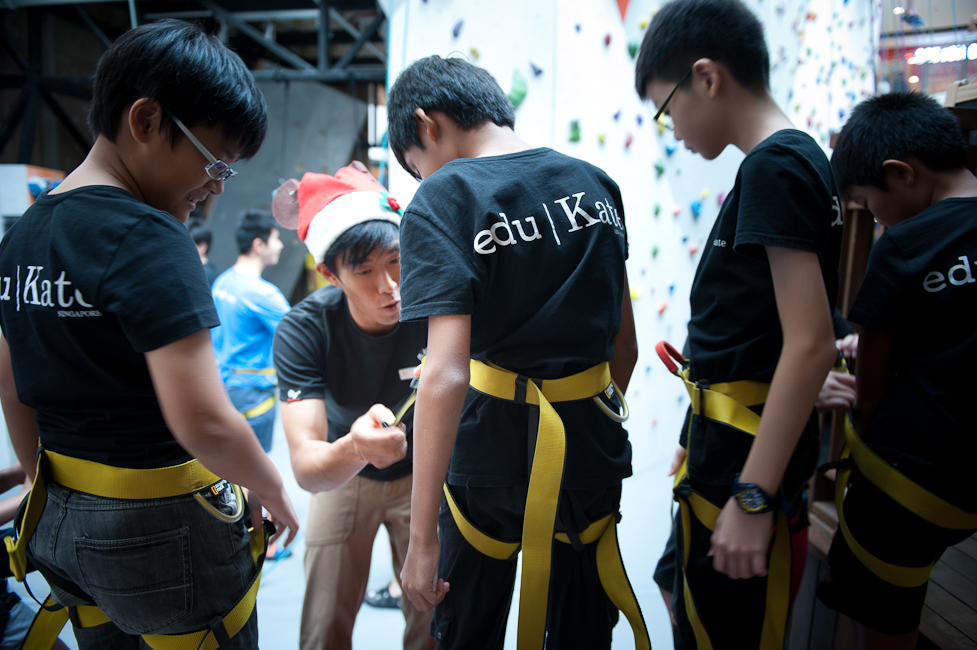
Why Diversity in Skills for Teenagers: Preparing for the Next 20 Years
In today’s rapidly evolving world, teenagers must develop a diverse set of skills—a broad “scatter” of abilities, knowledge, and ideas—to prepare for the challenges and opportunities of the next 20 years. Diversity in skills means cultivating expertise across multiple domains, such as academics, creativity, technology, and social abilities, rather than focusing narrowly on one area. This approach not only fosters personal growth but also equips teenagers to thrive in an unpredictable future and contribute to society in meaningful ways. Below, we explore why this diversity is essential and how it benefits both individuals and the world over the coming decades.
Key Points
- Research suggests that teenagers developing diverse skills can better adapt to future job markets.
- It seems likely that a broad range of abilities will enhance creativity and problem-solving.
- The evidence leans toward diverse skills fostering resilience and societal innovation over the next 20 years.
Why Teenagers Need a Diverse Skill Set
1. Adaptability in a Changing Landscape
The next 20 years will bring significant shifts due to technological advancements, automation, and emerging industries. Jobs that exist today may vanish, while new roles will arise in fields we can barely imagine. Teenagers with a narrow skill set may struggle to keep up, but those with a wide range of abilities can adapt more easily. For example:
- A teenager skilled in coding and public speaking could shift from a technical role to a position in tech advocacy or education.
- Knowledge of science and business could lead to careers in sustainable entrepreneurship or climate technology.
By building a broad skill base, teenagers ensure they can pivot to new opportunities as the world changes.
2. Enhanced Problem-Solving Abilities
Diverse skills encourage different ways of thinking, making teenagers more effective problem solvers. For instance:
- STEM (science, technology, engineering, math) fosters logical and analytical reasoning.
- Arts and humanities develop creativity and emotional intelligence.
- Team sports or group projects sharpen collaboration and leadership skills.
This variety allows teenagers to tackle challenges from multiple perspectives. In a future facing complex issues like climate change or global health crises, such cognitive flexibility will be critical for devising innovative solutions.
3. Fostering Creativity and Innovation
A broad scatter of skills sparks creativity by enabling teenagers to combine ideas from different fields. Consider these examples:
- A teen with interests in music and technology might invent new digital instruments or audio software.
- Someone skilled in design and psychology could excel in creating intuitive, user-friendly products.
Over the next 20 years, creativity will drive economic growth and societal progress. Teenagers with diverse skills will be the ones pioneering groundbreaking ideas and solutions.
4. Building Resilience
Life’s unpredictability—whether career disruptions or personal setbacks—demands resilience. A teenager with a single area of expertise risks being derailed if that field falters. In contrast, a diverse skill set provides a safety net:
- If one career path stalls, other abilities can open alternative doors.
- Confidence grows from knowing they have multiple strengths to rely on.
This resilience will help teenagers navigate challenges and maintain mental well-being in an increasingly complex world.
The Bigger Picture: Societal Benefits
The advantages of skill diversity extend beyond personal success to shape society as a whole. In the next 20 years, humanity will confront multifaceted challenges requiring collaboration across disciplines:
- Climate Change: Solutions will demand scientists, engineers, policymakers, and communicators working together.
- Automation: As machines reshape economies, we’ll need people skilled in technology, ethics, and education to guide the transition.
- Global Health: Pandemics and other crises will require expertise in medicine, data analysis, logistics, and public outreach.
Teenagers with a wide scatter of skills will be uniquely positioned to bridge these fields, collaborate with diverse teams, and drive collective progress. By preparing now, they can become the innovators and leaders who address these global issues effectively.
How Teenagers Can Develop Diverse Skills
Building a broad skill set requires intentional effort from multiple stakeholders:
For Schools
- Offer a varied curriculum that includes STEM, arts, humanities, and practical training.
- Provide extracurricular opportunities like clubs, sports, and volunteer programs to broaden experiences.
For Parents
- Encourage exploration of diverse interests, even if they stray from traditional academic paths.
- Support hobbies, part-time work, or community involvement to expose teens to new skills.
For Teenagers
- Take initiative by seeking out online courses, internships, or passion projects.
- Embrace curiosity and experiment with new activities, from coding to painting to public speaking.
By combining these efforts, teenagers can cultivate a rich, scattered skill set that prepares them for the future.
Importance of Diverse Skills
Developing a wide range of skills, abilities, and ideas is crucial for teenagers as they prepare for a rapidly changing future. This diversity helps them adapt to new job opportunities, especially with technological advancements and automation reshaping industries. For example, combining technical skills like coding with soft skills like public speaking can open multiple career paths, such as tech advocacy or education.
Benefits for the Next 20 Years
A broad skill set enhances teenagers’ ability to solve complex problems by integrating different perspectives, such as blending STEM with arts for innovative solutions to global challenges like climate change. It also fosters creativity, enabling them to pioneer new ideas by merging diverse fields, which is vital for economic growth. Additionally, diverse skills build resilience, allowing teenagers to pivot if one career path falters, ensuring they can navigate future uncertainties.
How to Foster Skill Diversity
Schools can offer varied curricula, including STEM, arts, and practical training, alongside extracurriculars like clubs and sports. Parents should encourage exploration of diverse interests and support activities like part-time jobs or volunteering. Teenagers themselves can seek online courses, internships, or passion projects to broaden their skill set, embracing curiosity and experimentation.
Survey Note: Detailed Analysis on Developing Diverse Skills in Teenagers
This note provides an in-depth exploration of why teenagers need to develop a diverse set of skills and how this “scatter” of abilities, knowledge, and ideas will benefit them and society over the next 20 years. The discussion is informed by recent research and expert opinions, emphasizing the evolving job market and societal needs.
Background and Context
The job market is undergoing significant transformation due to technological advancements, automation, and emerging industries. A report from the World Economic Forum predicts that most people will have multiple careers, not just multiple jobs, driven by rapid employment changes. By 2027, two-fifths of core skills workers currently have will be disrupted by technological change, and half of all workers’ core skills will need updating every five years. This underscores the need for adaptability, which a diverse skill set can provide.
Similarly, a Pew Research Center study canvassed 1,408 experts, with 70% believing new educational and training programs will emerge and be successful by 2026, while 30% are pessimistic about scalability. This highlights the urgency for teenagers to proactively develop a broad range of skills to meet future demands.
Importance of Diverse Skills for Teenagers
Developing a diverse skill set is essential for teenagers to prepare for an unpredictable future. This includes both hard skills, like digital literacy and coding, and soft skills, such as communication and emotional intelligence, as outlined by SkillsYouNeed. The platform lists nine key skills: digital literacy, problem-solving, global citizenship, youth entrepreneurship, curiosity, communication, adaptability, information analysis, and emotional intelligence, covering a broad spectrum that enhances employability.
- Adaptability in a Changing Landscape: The future job market will see roles disappear and new ones emerge, particularly in technology-driven fields. Teenagers with a narrow skill set may struggle, but those with diverse skills can pivot. For example, a teenager skilled in both coding and public speaking could transition from a technical role to tech advocacy or education, leveraging transferable skills valued by employers, as noted in the MVNU article .
- Enhanced Problem-Solving Abilities: Diverse skills encourage different ways of thinking, making teenagers more effective problem solvers. Combining STEM with arts and humanities fosters both logical reasoning and creativity, essential for tackling complex issues like climate change or global health crises. This interdisciplinary approach is supported by the Pew Research Center’s emphasis on skills like abstract and systems thinking.
- Fostering Creativity and Innovation: A broad range of skills sparks creativity by enabling teenagers to combine ideas from different fields. For instance, a teen with interests in music and technology might invent new digital instruments, driving innovation. This is crucial for economic growth, as highlighted by the World Economic Forum’s focus on socio-emotional skills like analytical and creative thinking.
- Building Resilience: Life’s unpredictability, such as career disruptions or personal setbacks, demands resilience. A teenager with a single area of expertise risks being derailed if that field falters, but a diverse skill set provides a safety net. For example, if one career path stalls, other abilities can open alternative doors, enhancing confidence and mental well-being, as suggested by the PMC article .
Societal Benefits Over the Next 20 Years
The benefits of skill diversity extend beyond individual success to shape society. In the next 20 years, humanity will confront multifaceted challenges requiring collaboration across disciplines, such as climate change, automation, and global health crises. Teenagers with a wide scatter of skills will be uniquely positioned to bridge these fields, collaborate with diverse teams, and drive collective progress.
- Addressing Global Challenges: Solutions to climate change will demand scientists, engineers, policymakers, and communicators working together, as noted in the World Economic Forum report. Diverse skills enable teenagers to contribute to interdisciplinary teams, fostering innovation.
- Economic and Social Impact: As automation reshapes economies, we’ll need people skilled in technology, ethics, and education to guide the transition. The Pew Research Center’s experts predict workers will have 4-5 careers, necessitating continuous learning and diverse skill sets to adapt to new roles.
- Cultural and Collaborative Growth: Skills like global citizenship and emotional intelligence, as listed by SkillsYouNeed, enhance teenagers’ ability to work in diverse, international settings, promoting cultural understanding and collaboration, which is vital for a globalized future.
Strategies for Developing Diverse Skills
Building a broad skill set requires intentional effort from multiple stakeholders, as outlined in the thinking trace:
- For Schools: Educational institutions should offer a varied curriculum that includes STEM, arts, humanities, and practical training. Extracurricular opportunities like clubs, sports, and volunteer programs can broaden experiences, exposing teenagers to new skills. The Teen Coach Academy article emphasizes early career planning, including specialized courses and hands-on training.
- For Parents: Parents play a crucial role by encouraging exploration of diverse interests, even if they stray from traditional academic paths. Supporting hobbies, part-time work, or community involvement can expose teens to new skills, as suggested by the PA CareerLink Delaware County article .
- For Teenagers: Teenagers should take initiative by seeking online courses, internships, or passion projects. Embracing curiosity and experimenting with new activities, such as coding, painting, or public speaking, can help them cultivate a rich, scattered skill set. The SkillsYouNeed platform provides resources for self-directed learning, such as guides on communication skills .
Supporting Evidence and Expert Opinions
The importance of diverse skills is backed by several sources:
- World Economic Forum: Predicts multiple careers and emphasizes socio-emotional skills like resilience and empathy, crucial for future employability .
- SkillsYouNeed: Lists nine skills, including digital literacy and adaptability, essential for entering the workforce, with detailed resources for development .
- Pew Research Center: Highlights expert consensus on the need for creativity, collaboration, and continuous learning, with 87% of workers believing training is essential .
Challenges and Considerations
While the benefits are clear, there are challenges. The Pew Research Center notes that 30% of experts doubt the scalability of new training programs, citing issues like political will, funding, and self-directed learning capability. Additionally, the PMC article suggests that many teenage jobs may lack career potential, emphasizing the need for quality experiences that develop transferable skills.
Developing a diverse set of skills is essential for teenagers to thrive in the next 20 years. It prepares them for an adaptable future, enhances their problem-solving and creative abilities, builds resilience, and positions them to contribute meaningfully to society. By fostering skill variety through education, parental support, and self-driven exploration, teenagers can become the innovators and leaders of tomorrow, ready to address global challenges and drive progress.
Key Citations
- Workers set for multiple careers as jobs demand new skills
- Skills Young People Need in the Future
- Experts on the Future of Work, Jobs Training and Skills
- A Comprehensive List of Job Skills Employers Value Most | MVNU
- Teenagers and Job Market Competitiveness – Teen Coach Academy
- Teenage Employment and Career Readiness – PMC
- What are the Benefits of Having a Job in High School? | PA CareerLink Delaware County
A Country’s Need for Diverse Skills in Its Youth: A 20-Year Perspective
For a country to prosper in an ever-evolving global landscape, it must prioritize a diverse set of skills among its youth. This diversity—encompassing a wide range of abilities, knowledge, and perspectives—is not merely advantageous but a fundamental necessity for national development and competitiveness over the next two decades. Below, we outline why a broad “scatter” of skills among teenagers is critical from a country’s perspective and how it ensures long-term stability, innovation, and growth.
1. Adaptability to Global Changes
The world is undergoing rapid transformation—technological breakthroughs, economic shifts, and environmental pressures demand flexibility. A youth population with diverse skills enables a country to adapt swiftly, whether by transitioning workers from declining industries to emerging ones or embracing new paradigms like sustainable energy. This agility ensures the nation remains competitive and avoids being left behind in a dynamic global economy.
2. Fostering Innovation
A country’s ability to innovate hinges on the collision of varied ideas. When teenagers possess skills across disciplines—such as science, technology, engineering, arts, and humanities—they can collaborate to produce novel solutions. For instance, integrating coding expertise with creative design can lead to cutting-edge products, while merging medical knowledge with data analysis can revolutionize healthcare. Skill diversity fuels the creativity that drives national progress.
3. Preparing for Unpredictable Job Markets
The future of work is uncertain, with automation and digitalization reshaping industries. A country needs its youth to be versatile, equipped with a mix of technical, analytical, and interpersonal skills to thrive in roles that may not yet exist. A teenager skilled in both robotics and ethical reasoning, for example, could excel in regulating AI—a field poised to grow. This preparedness safeguards the nation’s economic vitality.
4. Supporting Social Cohesion
Diverse skills among youth promote mutual understanding across societal divides. Exposure to different fields—humanities fostering empathy, trades emphasizing practical problem-solving—creates a generation that values collaboration over division. By bridging gaps between communities and professions, a country builds a more unified and resilient society.
5. Addressing Complex National Challenges
The challenges of the next 20 years—climate change, inequality, or pandemics—require interdisciplinary approaches. A youth workforce skilled in areas like environmental science, economics, and public health can devise holistic solutions. For example, combating rising sea levels demands engineers, policymakers, and communicators working in tandem. Skill diversity equips a country to tackle such multifaceted issues effectively.
6. Enhancing International Collaboration
Global problems demand global solutions, and countries must engage in international partnerships. Teenagers with diverse abilities—language skills, cultural literacy, technical know-how—can represent their nation in diplomatic or scientific alliances. This strengthens a country’s position as a collaborative player, amplifying its influence and access to shared resources.
7. Building a Resilient Economy
Over-reliance on a single industry or skill set leaves a country vulnerable to disruptions, such as market crashes or technological obsolescence. By cultivating youth with expertise across sectors—from agriculture to artificial intelligence—a nation diversifies its economic base. This resilience ensures stability and the ability to seize new opportunities as they arise.
8. Promoting Lifelong Learning
In a fast-changing world, the ability to learn continuously is a national asset. A broad skill set among youth instills adaptability and curiosity, encouraging them to upskill throughout their lives. This culture of lifelong learning keeps the workforce relevant, supporting sustained economic and social development over decades.
9. Informing Better Policy-Making
Effective governance requires leaders who understand diverse perspectives. A youth population with varied skills—such as technology, ethics, or sociology—produces future policymakers capable of addressing complex issues with depth and insight. For instance, regulating biotechnology needs expertise beyond science, including legal and moral considerations. Skill diversity enriches national decision-making.
10. Meeting the Demands of Emerging Technologies
The rise of fields like quantum computing, renewable energy, and biotechnology will define the next 20 years. These industries demand not just technical proficiency but also creativity, ethical judgment, and management skills. A country with a youth population prepared across these domains will lead in technological innovation, securing its place at the forefront of global advancement.
Early Childhood (Ages 5-10)
In the early years, focus on building curiosity and basic skills using AI-driven personalized learning and gamified educational games. This stage sets a broad foundation for future growth.
Pre-Teen and Early Teen Years (Ages 11-15)
Encourage exploration of diverse subjects through online platforms and VR simulations, developing soft skills and critical thinking for flexible learning paths.
High School Years (Ages 16-18)
Specialize with flexibility, using AI tutors and internships to align education with future career needs, ensuring a balance between depth and breadth.
Higher Education (Ages 18-22)
Deepen knowledge with AI assistance and XR technologies, pursuing microcredentials for specific skills, emphasizing interdisciplinary learning for innovation.
Early Career and Lifelong Learning (Ages 22-25)
Continue learning with AI-guided upskilling and entrepreneurial education, mastering soft skills through real-world applications for adaptability in a changing job market.
Educational Timeline for Diverse Skill Development in Children and Teenagers
This note provides a comprehensive analysis of the educational timeline for children and teenagers from ages 5 to 25, focusing on how to maintain the target of developing a diverse set of skills over the next 20 years. The discussion is informed by educational trends and expert opinions as of July 2, 2025, emphasizing the evolving landscape and the need for adaptability, creativity, and resilience.
Background and Context
The current date is July 2, 2025, and recent trends in education highlight the transformative impact of technology, particularly AI, extended reality (XR), and microlearning. A report from explodingtopics.com identifies assistive technology, immersive learning, and outcomes-based contracting as key areas for 2025 and beyond.
Given these trends, the educational timeline must integrate technology and personalized learning to prepare youth for a future where jobs and societal needs are rapidly evolving. The goal is to foster a “scatter” of skills, abilities, and ideas, ensuring adaptability, innovation, and resilience over the next 20 years.
Educational Timeline and Key Stages
The timeline is divided into five stages, each with specific focus areas and approaches to develop diverse skills, incorporating 2025 educational trends:
Early Childhood (Ages 5-10): Building Foundations with Technology
- Focus Areas: Curiosity, creativity, basic literacy, numeracy, and social skills, enhanced with technology.
- Educational Approach: Use AI-driven educational games for personalized learning, as noted in the explodingtopics.com report, where AI can analyze student data to tailor lessons. Introduce neuroeducation, which challenges traditional one-size-fits-all methods, personalizing learning via small groups or AI, with a 856% search growth over 10 years. Incorporate microlearning for short, engaging lessons to boost retention, and use XR technologies like VR for virtual field trips, with 40% of higher education institutions adopting XR by 2025. The ACE Blog also highlights assistive technology, such as AI-powered speech recognition, for early learners with diverse needs.
- Purpose: This stage lays a broad, engaging foundation, ensuring children are comfortable with digital tools and open to various possibilities. For example, platforms like Squirrel AI can adapt lessons to individual learning styles, while gamified apps like ClassDojo make learning fun and interactive.
Pre-Teen and Early Teen Years (Ages 11-15): Exploring Diverse Subjects with Emerging Tech
- Focus Areas: Broad exposure to STEM, humanities, arts, and physical education, with a focus on digital literacy and critical thinking.
- Educational Approach: Leverage online learning, expected to reach $319 billion by 2025, with platforms like Udemy and MITx offering diverse courses. Use niche education platforms like Cybrary for IT or Hack The Box for cybersecurity, which have seen 190% search growth over five years, for specialized skill development. Develop soft skills through group projects and VR simulations, with 90% of HR professionals agreeing on their importance. Implement alternative assessments, moving away from high-stakes testing, as the Mastery Transcript is accepted by 250 colleges. The ACE Blog’s emphasis on universal design for learning (UDL) ensures multiple means of representation, action/expression, and engagement, catering to diverse learning preferences.
- Purpose: This period helps students explore interests while gaining practical skills, maintaining flexibility for future opportunities. For instance, VR simulations can provide safe environments for practicing teamwork, while online platforms allow access to global educators.
High School Years (Ages 16-18): Specializing with Flexibility and AI Support
- Focus Areas: Specialization in chosen fields, with a focus on soft skills, communication, and leadership, supported by AI.
- Educational Approach: Use AI tutors for personalized homework help, as AI can generate feedback and tailor lessons, reducing teacher workload. Engage with star instructors on platforms like MasterClass, which raised over $400 million, and explore independent courses on Thinkific and Teachable, with 134% search growth for Thinkific over five years. Offer internships and apprenticeships that incorporate digital tools, focusing on outcomes-based learning, as noted in the ACE Blog, to align with measurable educational outcomes. The explodingtopics.com report highlights a renewed emphasis on soft skills, with VR training by H&R Block and Mursion platform, preparing students for future careers.
- Purpose: Students begin to focus on potential career paths while retaining flexibility, ensuring they can adapt to technological changes. AI tutors, for example, can provide real-time feedback, while internships offer practical experience in diverse fields.
Higher Education (Ages 18-22): Deepening Knowledge with Interdisciplinary AI
- Focus Areas: Advanced study in a chosen field, interdisciplinary learning, and problem-solving, supported by AI and XR.
- Educational Approach: Use AI for research assistance, such as literature reviews or data analysis, and integrate XR for immersive learning experiences in fields like medicine or engineering, with a market CAGR of 35% through 2028. Pursue microcredentials and digital badges, gaining traction as alternative ways to recognize skills, allowing flexible learning paths. Require capstone projects addressing global challenges, fostering innovation, and emphasize soft skills through VR training. The ACE Blog’s focus on immersive learning in repurposed classrooms, like virtual field trips, enhances engagement, while UDL principles ensure inclusivity.
- Purpose: This stage builds expertise while leveraging technology to enhance learning, preparing for complex, tech-driven roles. For example, XR can simulate medical procedures, while microcredentials allow for specialized skill recognition.
Early Career and Lifelong Learning (Ages 22-25): Applying and Expanding Skills with Continuous AI Support
- Focus Areas: Professional development, continuous upskilling, and practical application of knowledge, with AI guidance.
- Educational Approach: Support on-the-job training with AI-powered learning platforms, identifying skill gaps and recommending courses based on job market trends. Encourage entrepreneurial projects utilizing AI for market analysis, leveraging the trend of independent course creation. Master soft skills through real-world applications and VR training, ensuring adaptability. The explodingtopics.com report notes a worsening teacher shortage, with 23% likely to leave by year-end, suggesting a need for AI to support teaching, especially in high-demand areas like special education, math, and science. The ACE Blog’s outcomes-based contracting, tied to measurable outcomes, ensures educational programs meet workforce needs.
- Purpose: As young adults enter the workforce, ongoing learning keeps them competitive, bridging the gap between education and real-world demands. AI can recommend upskilling courses, while VR training enhances soft skills for leadership roles.
Supporting Evidence and Expert Opinions
The importance of this timeline is backed by several sources:
- The explodingtopics.com report details AI’s role in personalized tutoring, with 20x search growth, and XR adoption in higher education, with 250% search growth over five years.
- The ACE Blog emphasizes assistive technology, immersive learning, and outcomes-based contracting, with examples like AI-powered speech recognition and virtual field trips.
- The OECD report explores how global trends like technological advances will transform education, inspiring reflection on future strategies.
Challenges and Considerations
While the benefits are clear, challenges include addressing the teacher shortage, with 54% likely to leave within two years, and ensuring equitable access to technology. The explodingtopics.com report notes distrust in high-stakes testing, suggesting a need for alternative assessments, while the ACE Blog highlights the need for UDL to cater to diverse learners.
Key Citations
- 12 Emerging Education Trends (2024 & 2025)
- What’s Next: Top Five Trends in Education for 2025 | ACE Blog
- Trends Shaping Education 2025 | OECD
- Education Technology Trends to Watch in 2025
- 5 of the biggest education trends for 2025
- Top 9 Trends in Educational Technology to Watch in 2025
- 7 education trends to watch in 2025
- Top Academic Trends for 2025: Shaping the Future of Education
- 11 Top Trends in Higher Education: 2025 Data, Insights & Predictions
- Global trends and the future of education in 2025 | OECD
- 7 Critical Education Trends That Will Define Learning In 2025
A Tangential Example of Diverse Skills: Singapore’s Lack of a Mountain Bike Park
To illustrate the importance of diverse skill development, let’s consider a tangential and hypothetical example: Singapore’s absence of a dedicated mountain bike park. This gap highlights how the lack of infrastructure for a specific activity—mountain biking—limits the cultivation of a unique skill set that could otherwise contribute to individual success, economic growth, social cohesion, and broader societal participation. Below, we explore this case study in detail, showing how it serves as an example of missed opportunities for diverse skills and their far-reaching benefits.

The Context: Why No Mountain Bike Park?
Singapore is a small, highly urbanized island nation with limited natural terrain suitable for mountain biking. Unlike countries with rugged landscapes, such as Canada or New Zealand, Singapore’s flat geography and dense cityscape make it challenging to establish a mountain bike park featuring trails, jumps, and technical descents. This absence directly impacts the development of mountain biking skills and the potential benefits tied to them.
1. Skill Development: A Missed Opportunity
Mountain biking, especially downhill riding, demands a distinct skill set: balance, agility, technical bike control, and physical endurance. Without a dedicated facility, Singaporeans lack the environment to practice and master these abilities. Consider the implications:
- Recreational Limitation: Enthusiasts cannot easily access trails to build foundational skills, stunting the growth of a local mountain biking community.
- Competitive Potential: Talented individuals who might excel in downhill competitions—like the UCI Mountain Bike World Cup—are unlikely to emerge without proper training grounds. A Singaporean rider shredding downhill and winning medals could elevate the nation’s sporting reputation, but this remains out of reach.
The lack of a mountain bike park thus restricts the development of a niche, high-value skill set that could produce world-class athletes and inspire others.
2. Economic Impact: An Untapped Industry
A mountain bike park could transform Singapore’s economy by creating a new industry and revenue stream. Here’s how:
- Tourism Boost: Internationally renowned parks, such as Whistler in Canada, attract visitors from around the globe. Whistler’s Crankworx festival, for instance, generates millions in economic activity annually by drawing mountain biking enthusiasts. A Singaporean equivalent could position the city-state as a unique urban biking destination.
- Job Creation: Building and maintaining a park would generate employment in construction, park management, and tourism-related sectors like hospitality and retail.
- Local Business Growth: Bike shops, cafes, and gear rental services would thrive with increased demand from riders and visitors.
Without this infrastructure, Singapore misses out on an industry that could diversify its economy and enhance its global appeal.
3. Social Fabric: Strengthening Community Ties
A mountain bike park could serve as more than just a recreational space—it could weave a stronger social fabric:
- Community Hub: Shared spaces foster connections among riders, creating a sense of belonging. For example, small towns in the U.S., like Twin Bridges, have seen local businesses flourish and residents bond over modest bike facilities.
- Health and Well-Being: Mountain biking is a physically demanding sport that promotes fitness and mental health, encouraging an active lifestyle among Singaporeans.
- Camaraderie: Group rides, training sessions, and events would build networks of enthusiasts, reinforcing social bonds.
The absence of such a park limits these opportunities, leaving Singapore’s social landscape less vibrant than it could be.
4. Societal Participation: Beyond the Venn Diagram
The benefits of a mountain bike park extend to broader societal participation, amplifying its impact:
- Inclusivity: Mountain biking appeals to diverse groups—youth, adults, families, and thrill-seekers—making it a unifying activity.
- Environmental Connection: Even in an urban setting, a park could foster appreciation for outdoor spaces, aligning with Singapore’s sustainability goals.
- Global Recognition: Hosting international events could showcase Singapore as a forward-thinking hub, boosting cultural exchange and national pride.
Without this facility, Singapore foregoes a chance to engage its population in a dynamic, participatory activity that transcends individual skill development.
Visualizing the Impact: A Conceptual Venn Diagram
To highlight the interconnected benefits of a mountain bike park, imagine a Venn diagram with three overlapping circles:
- Skill Development: Athletic training, technical mastery, competition readiness.
- Economic Impact: Tourism revenue, job opportunities, industry growth.
- Social Fabric: Community engagement, health benefits, social ties.
The overlaps reveal synergies:
- Skill Development ∩ Economic Impact: Skilled riders draw tourists and sponsors, fueling economic gains.
- Skill Development ∩ Social Fabric: Training programs build mentorship and community spirit.
- Economic Impact ∩ Social Fabric: Thriving businesses enhance local pride and cohesion.
- Center (All Three): A mountain bike park that nurtures talent, drives economic activity, and unites people.
This diagram shows how diverse skills—like those gained from mountain biking—create a multiplier effect, benefiting individuals and society holistically.
The Broader Lesson
Singapore’s lack of a mountain bike park exemplifies how the absence of infrastructure for a specific activity can stifle diverse skill development. This gap prevents individuals from “shredding downhill” and making a name for themselves, while also denying Singapore an industry that could generate economic growth, strengthen its social fabric, and increase societal participation. By investing in such facilities, Singapore could unlock a cascade of benefits, proving that fostering diverse skills is key to a resilient, thriving society. This tangential example underscores the ripple effects of skill-building opportunities—or the costs of their absence—far beyond the trails themselves.
A Narrow Concentrated Skills Competitive Society Versus a Wide Spectrum Diverse Society
Key Points
- Research suggests a diverse skills society is more adaptable and innovative, while a concentrated skills society excels in specialized fields.
- It seems likely that balancing both approaches could maximize societal benefits, but the evidence leans toward diverse skills for future resilience.
- There’s ongoing debate about the trade-offs, with both models having strengths and weaknesses depending on context.
A society with concentrated skills, where people specialize deeply in specific areas, can be highly efficient and innovative in those fields, like medicine or technology. However, it may struggle with adaptability if those skills become outdated. On the other hand, a society with diverse skills, where individuals have a broad range of abilities, seems likely to be more flexible and creative, better equipped for rapid changes and global challenges. Research suggests this approach fosters problem-solving and innovation by combining different perspectives, but it might lack deep expertise in critical areas.
For example, a concentrated skills society might excel in producing world-class engineers, but a diverse skills society could adapt faster to new industries, like renewable energy, by blending technical and creative skills. The evidence leans toward a balanced approach, where societies encourage both depth and breadth, to maximize benefits like economic growth and social cohesion. This balance is crucial as the world evolves, especially with technological advancements and global competition.
Survey Note: Detailed Analysis on Concentrated Skills Society vs. Wide Spectrum Field Diverse Skills Society
This note provides an in-depth exploration of the comparison between a concentrated skills society and a wide spectrum field diverse skills society, focusing on their implications for societal development over the next 20 years. The discussion is informed by recent research and expert opinions as of July 2, 2025, emphasizing adaptability, innovation, and resilience in a rapidly changing global landscape.
Background and Context
The current date is July 2, 2025, and recent trends highlight the transformative impact of technological advancements and economic shifts on skill development. A report from LinkedIn compares these strategies at a country level. These sources suggest that the choice between concentration and diversification is context-dependent, with implications for economic stability, innovation, and adaptability.
Given these trends, this analysis aims to compare a society where skills are concentrated in specific areas (e.g., deep expertise in engineering or medicine) versus one where skills are diverse across a wide spectrum (e.g., individuals with technical, creative, and social skills). The goal is to assess which model better prepares societies for future challenges, such as technological disruption and global competition.
Defining the Models
- Concentrated Skills Society: This model emphasizes specialization, where individuals develop deep expertise in a narrow field. It aligns with traditional economic theories of comparative advantage, where societies focus on producing goods or services they can do best, such as Silicon Valley’s focus on technology.
- Wide Spectrum Field Diverse Skills Society: This model promotes diversification, where individuals have a broad range of skills across various domains, enabling adaptability and interdisciplinary collaboration. It aligns with modern trends toward agility and resilience, as seen in skills-based organizations that value versatility.
Advantages and Disadvantages of Each Model
To compare these models, let’s examine their pros and cons, drawing from the research.
Concentrated Skills Society
- Advantages:
- Deep Expertise: Specialization leads to high proficiency, driving innovation in specific fields. For example, a society with concentrated skills in neurosurgery can advance medical treatments, as noted in the PMC article on sports specialization , which highlights the benefits of early focus for athletic prowess.
- Efficiency: Focused skills can enhance productivity, as seen in economies like Germany, known for specialized manufacturing.
- Niche Market Leadership: Societies can dominate niche markets, such as Switzerland in luxury watches, by concentrating resources and talent.
- Disadvantages:
- Adaptability Challenges: Specialized skills may become obsolete if the field declines or changes rapidly, as seen in the decline of coal mining communities.
- Siloed Thinking: Lack of interdisciplinary knowledge can hinder solving complex, multifaceted problems, such as climate change, which requires input from science, economics, and policy.
- Vulnerability to Disruption: Over-reliance on a single industry can lead to economic instability, as evidenced by countries heavily dependent on oil exports.
Wide Spectrum Field Diverse Skills Society
- Advantages:
- Adaptability and Resilience: Diverse skills enable individuals to pivot to new roles or industries, crucial in an automated economy. The LinkedIn article notes that professionals with diverse skills are better equipped to navigate uncertainties.
- Enhanced Creativity and Innovation: Combining different skills fosters creativity, as seen in tech companies like Google, where engineers, designers, and business strategists collaborate. The Indeed article highlights how diversification expands product offerings.
- Better Problem-Solving: Diverse teams approach problems from multiple angles, improving outcomes. The Brookings article suggests that diversified export baskets correlate with higher income levels, implying broader skill sets support economic growth.
- Inclusivity and Equity: Valuing diverse skills levels the playing field, as noted in the HEC Paris article , which discusses how cross-functional transitions broaden knowledge and decision-making.
- Disadvantages:
- Lack of Deep Expertise: Without focus, individuals might not reach the same level of proficiency as specialists, potentially limiting contributions to highly technical fields.
- Resource Intensity: Developing a broad skill set requires more time and resources, which could be challenging in resource-constrained settings.
- Risk of Mediocrity: There’s a risk of becoming a jack-of-all-trades, master-of-none, as mentioned in the Medium article , where the author reflects on the challenges of balancing both.
Comparative Analysis
To organize the comparison, let’s use a table to highlight key aspects:
| Aspect | Concentrated Skills Society | Wide Spectrum Field Diverse Skills Society |
|---|---|---|
| Adaptability | Low, due to reliance on specific skills | High, as individuals can pivot to new roles |
| Innovation | High in specialized fields, but siloed | High across domains, fostering interdisciplinary ideas |
| Economic Stability | Vulnerable to industry decline | More resilient, with diversified economic activities |
| Social Cohesion | May lack cross-disciplinary collaboration | Enhances inclusivity and community engagement |
| Resource Needs | Focused, less resource-intensive for specialization | Higher, requires broad education and training |
| Examples | Silicon Valley (tech), Switzerland (watches) | Singapore (diversified economy), Google (cross-functional teams) |
From this table, it’s clear that a diverse skills society seems better suited for adaptability and innovation in a rapidly changing world, while a concentrated skills society excels in niche leadership and efficiency.
Real-World Examples and Implications
Let’s consider real-world examples to illustrate. Silicon Valley represents a concentrated skills society, with a focus on technology, leading to breakthroughs like AI and semiconductors. However, its reliance on tech makes it vulnerable to market shifts, as seen during the dot-com bubble burst. In contrast, Singapore exemplifies a diverse skills society, with a diversified economy spanning finance, technology, and manufacturing, which has helped it weather global economic shocks, as noted in the DevelopmentAid article.
In education, there’s a growing trend toward interdisciplinary learning, as seen in universities offering double majors or minors, which aligns with a diverse skills approach. The HEC Paris article suggests that cross-functional transitions can enhance career advancement, supporting the idea that diversification fosters broader knowledge.
Balancing Both Approaches
Given the advantages of both, the evidence leans toward a balanced approach, where societies encourage deep specialization in critical areas while fostering diverse skills for adaptability. The LinkedIn article proposes a hybrid strategy, suggesting individuals identify core interests for specialization while exploring other areas for diversification. This could translate to societies investing in specialized industries like healthcare, while also promoting broad education in areas like digital literacy and soft skills.
Challenges and Considerations
There are challenges to both models. For concentrated skills societies, the risk of skill obsolescence is high, especially with AI and automation disrupting traditional jobs. For diverse skills societies, ensuring equitable access to education and training is crucial, as noted in the OECD’s trends report notes that diversification can dilute expertise, suggesting a need for careful management.
Research suggests that a wide spectrum field diverse skills society is generally more adaptable, innovative, and resilient, better equipped to handle future uncertainties. However, deep specialization remains crucial for certain fields, and a balanced approach that encourages both breadth and depth can maximize societal benefits. This balance is essential as the world evolves, especially with technological advancements and global competition, ensuring societies can both lead in niche areas and adapt to new challenges.
Key Citations
- Skill Diversification vs Specialization: Striking the right balance
- Diversification vs. Specialization: What Are the Differences? | Indeed.com
- Pros and Cons of diversification and specialization in economics DevelopmentAid
- Diversification or specialization: What is the path to growth and development?
- In Quest for Career Advancement: To Diversify or to Specialize? | HEC Paris
- Specialization versus Diversification in Business – a 2 step approach
- Diversify or specialize? I did both and here are my learnings. | by Nitesh Sharma | Medium
- Diversification marketing vs. specialization: pros and cons for agencies
- Sports Specialization vs Diversification – PMC
- Trends Shaping Education 2025 | OECD
Conclusion
Developing a diverse set of skills is essential for teenagers in today’s fast-changing world. A broad scatter of abilities enhances adaptability, problem-solving, creativity, and resilience—qualities that will serve them well over the next 20 years. Beyond personal benefits, this diversity equips them to tackle society’s biggest challenges, from technological shifts to global crises. By fostering skill variety through education, parental support, and self-driven exploration, we invest not only in individual success but also in a more innovative and adaptable future for all.
From a country’s perspective, the need for diverse skills among its youth is undeniable. This diversity lays the groundwork for adaptability, innovation, and resilience—key pillars of national success. Over the next two decades, investing in a broad range of abilities and ideas will empower the nation to navigate uncertainty, solve pressing challenges, and thrive in a competitive world. By nurturing skill diversity today, a country ensures a stronger, more dynamic tomorrow.
In conclusion, the educational timeline from ages 5 to 25, integrating AI, neuroeducation, microlearning, online learning, XR, soft skills emphasis, alternative assessments, and addressing teacher shortages, ensures children and teenagers develop a diverse, adaptable skill set. This approach prepares them for an unpredictable future, fostering innovation, adaptability, and resilience, which are crucial for societal progress over the next 20 years.
