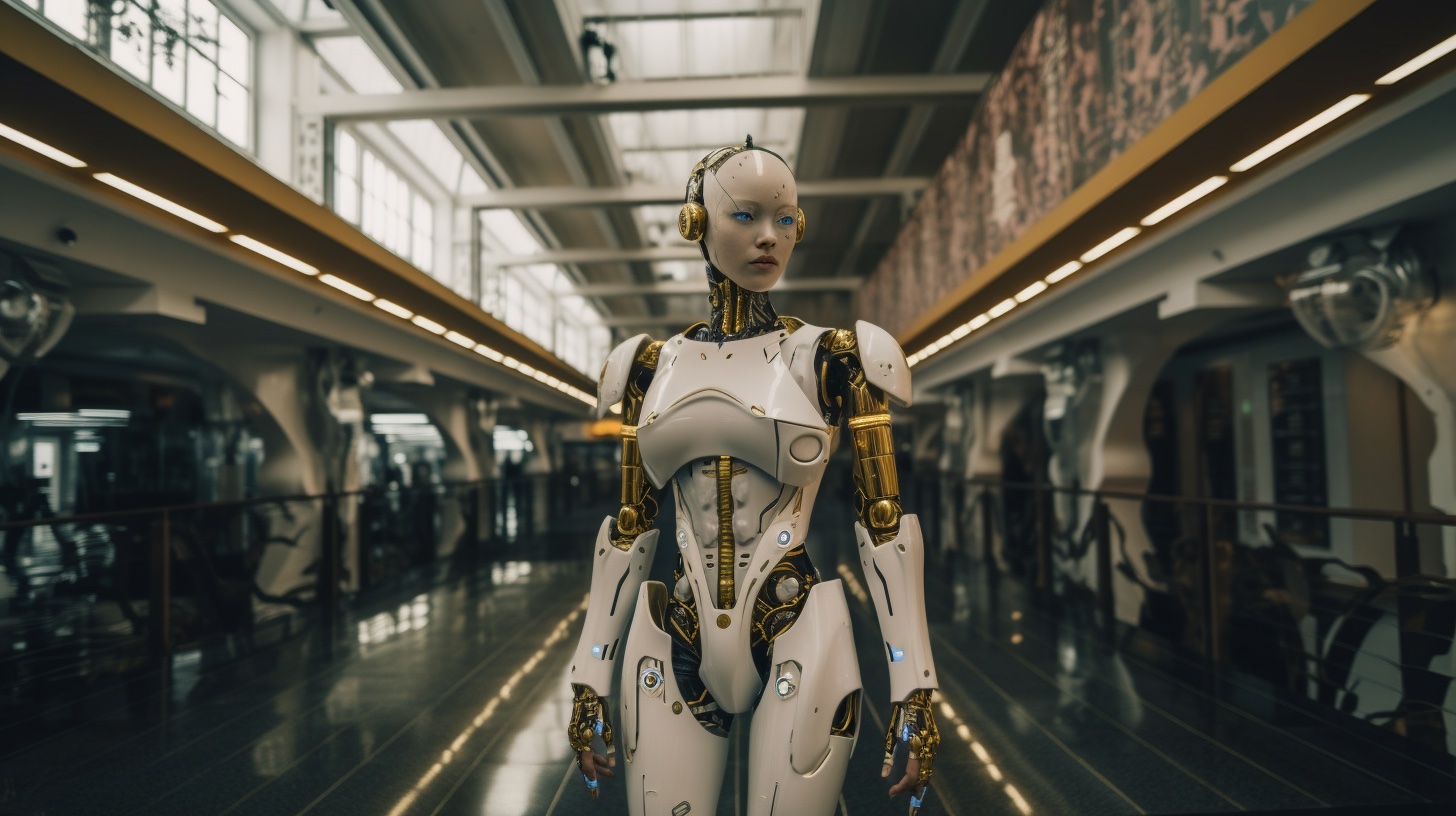
What are the reasons to study hard: AI technology. Be Prepared for the Paradigm Shift
Why Study Hard to Be Well Prepared for the AI Revolution
As AI technology advances, the need for individuals to study hard and continuously improve their skills becomes even more critical than it was in the 20th century. The rapid advancements in AI, particularly the emergence of Artificial General Intelligence (AGI), promise to bring about profound and swift changes that we are only beginning to understand. Here are several compelling reasons why studying hard is essential in the age of AI:
1. Adapt to Rapid Technological Changes
Constant Evolution:
- Fast-Paced Innovation: AI and other technologies are evolving at an unprecedented pace. To keep up, individuals must be committed to continuous learning and adaptation.
- Staying Relevant: Staying current with the latest advancements in AI and related fields is crucial to remain relevant in the job market and avoid obsolescence.
2. Leverage AI for Career Advancement
Skill Enhancement:
- Complementary Skills: While AI can handle many tasks, human skills such as creativity, critical thinking, and emotional intelligence remain invaluable. Studying hard to develop these complementary skills can enhance career prospects.
- Specialization: Deep knowledge in specific areas, such as AI ethics, data science, or machine learning, can open up advanced career opportunities and leadership roles.
3. Drive Innovation and Entrepreneurship
Create New Opportunities:
- Innovative Solutions: By studying hard, individuals can gain the knowledge and skills needed to innovate and create new solutions using AI. This can lead to the development of new products, services, and business models.
- Entrepreneurship: A solid understanding of AI and technology can empower individuals to start their own businesses and capitalize on emerging market trends.
4. Develop Critical Thinking and Ethical Problem Solving
Complex Problem Solving:
- Human Judgment: AI excels at data processing and pattern recognition, but human judgment and critical thinking are essential for making informed decisions and solving complex problems.
- Ethical Considerations: Studying hard helps individuals develop the ability to think critically about the ethical implications of AI and technology, ensuring responsible use and development.
5. Enhance Global Competitiveness
Economic and Career Opportunities:
- Global Market: The global economy is increasingly competitive, and countries that invest in education and skill development will have a competitive edge. Individuals who study hard can contribute to and benefit from this global competitiveness.
- High-Demand Skills: Skills related to AI and technology are in high demand worldwide. Studying hard can help individuals secure well-paying jobs and career advancement opportunities.
6. Achieve Personal Fulfillment and Lifelong Learning
Lifelong Learning:
- Continuous Improvement: The age of AI emphasizes the importance of lifelong learning. Studying hard fosters a mindset of continuous improvement and intellectual curiosity.
- Personal Growth: Gaining new knowledge and skills can lead to personal fulfillment, a sense of accomplishment, and increased confidence in one’s abilities.
7. Navigate AI-Driven Changes in Society
Societal Impact:
- Informed Citizens: A well-educated populace is better equipped to understand and navigate the societal changes brought about by AI. This includes participating in informed debates and decision-making processes.
- Ethical Leadership: Studying hard prepares individuals to take on leadership roles in shaping the ethical and responsible use of AI in society.
8. Build Resilience in a Changing Job Market
Job Market Flexibility:
- Job Security: The job market is undergoing significant changes due to AI automation. Studying hard can provide the skills and knowledge needed to transition to new roles and industries.
- Versatility: A strong educational foundation allows individuals to be versatile and adaptable, making it easier to pivot to new opportunities as they arise.
As we face the AI revolution, studying hard is essential to prepare for the profound and rapid changes ahead. By acquiring the necessary skills and knowledge, individuals can adapt to technological advancements, leverage AI for career advancement, drive innovation, and contribute to global economic growth. Additionally, a commitment to lifelong learning and ethical considerations will help navigate societal impacts and ensure a prosperous and inclusive future. The value of education and hard work in this new paradigm shift cannot be overstated.
Fun Facts What are the reasons to study hard
Here are some fascinating and credible fun facts about why studying hard in the age of AI technology is crucial, especially as we prepare for the paradigm shift that AI is bringing to the workforce and society at large:
1. AI is Rapidly Changing Job Markets
AI technology is expected to reshape job markets by automating routine tasks, potentially displacing many traditional roles. However, this shift also creates demand for new jobs that require advanced skills in AI, digital literacy, and critical thinking. By studying hard and gaining these skills, students can prepare themselves for the new opportunities that AI will bring. For instance, roles like AI specialists, digital twin architects, and smart contract developers are emerging as critical positions in various industries.
2. AI Enhances Productivity but Requires Skilled Oversight
AI can increase productivity by up to 40%, allowing humans to focus on more complex, creative tasks rather than routine work. However, this productivity boost is most beneficial when overseen by individuals who understand both AI and the intricacies of the tasks being automated. Thus, acquiring a strong educational foundation is essential for effectively managing and leveraging AI technologies.
3. Environmental and Ethical Considerations in AI
AI’s development isn’t without its challenges, such as its significant carbon footprint and ethical concerns, including data privacy and job displacement. Understanding these aspects requires a well-rounded education, emphasizing the importance of studying subjects like environmental science, ethics, and computer science. As AI evolves, those who are well-prepared will be best equipped to create sustainable and ethical AI solutions.
4. AI and Paradigm Shifts
AI represents one of the most significant technological paradigm shifts since the internet, fundamentally altering how industries operate. This shift is akin to how mobile computing revolutionized business and daily life. Those who are well-educated and adaptable will be better positioned to capitalize on these changes, driving innovation and leading in this new landscape.
5. AI and Future Technologies
AI is at the core of many future technologies, from autonomous vehicles to smart cities. Mastery of AI and related fields will enable individuals to contribute to and shape these innovations, making studying hard now a crucial investment in one’s future.
In essence, as AI continues to integrate into various aspects of life and work, those who are prepared with the right knowledge and skills will thrive. Studying hard ensures that you are not only able to adapt to these changes but also lead and innovate in a world increasingly driven by AI.
These insights are supported by research from sources like Virginia Tech, Valuer.ai, and Darden School of Business, which emphasize the profound impact AI is having and will continue to have on society and the economy.
Preparing for the AGI Era: Reasons to Study Hard
When AI reaches the AGI (Artificial General Intelligence) era, where it can match or surpass human thinking and abilities, the implications for society, the economy, and individual careers will be profound. Here are the reasons to study hard in preparation for AGI, building on and expanding from the previous points:
1. Understanding and Coexisting with AGI
Comprehension of AGI:
- Deep Knowledge: Understanding the intricacies of AGI, its capabilities, and limitations will be crucial. Studying hard in fields such as computer science, AI, and cognitive science will provide the necessary foundation to grasp these concepts.
- Effective Coexistence: Knowledge will enable individuals to coexist effectively with AGI, leveraging its strengths while understanding how to complement it with uniquely human skills.
2. Ethical and Responsible Use of AGI
Ethical Frameworks:
- Moral Responsibility: With AGI’s capabilities matching human intelligence, ethical considerations become even more critical. Studying hard will prepare individuals to develop and enforce ethical frameworks ensuring AGI is used responsibly.
- Policy Development: Those well-versed in ethics, law, and public policy will be needed to create regulations that govern AGI use, preventing misuse and ensuring fair and equitable access.
3. Innovation and Strategic Thinking
Human Creativity:
- Unmatched Creativity: Even with AGI, human creativity, intuition, and emotional intelligence will remain unique. Studying hard in the arts, humanities, and social sciences will help individuals develop these irreplaceable skills.
- Strategic Roles: AGI can handle routine and complex analytical tasks, but strategic thinking and high-level decision-making will benefit from a combination of human and AGI input. Education will be key to excelling in these roles.
4. New Job Creation and Adaptation
Emerging Fields:
- AI Maintenance and Oversight: AGI will create new job categories related to its development, maintenance, and ethical oversight. Skills in AI engineering, ethics, and interdisciplinary studies will be essential.
- Adaptability: The job market will continuously evolve with AGI. Studying hard ensures individuals are adaptable, ready to learn and transition into new roles as they emerge.
5. Global Competitiveness and Leadership
Technological Leadership:
- Leading Innovations: Countries and individuals who invest in education will lead in AGI advancements, shaping the future of technology and its applications. Studying hard positions individuals to be at the forefront of these developments.
- Economic Influence: A deep understanding of AGI will allow nations and businesses to maintain economic competitiveness, driving growth and innovation.
6. Personal Fulfillment and Lifelong Learning
Intellectual Growth:
- Continuous Challenge: AGI will push the boundaries of what is possible, challenging individuals to continually learn and grow intellectually. This lifelong learning contributes to personal fulfillment and a dynamic career.
- Exploration and Curiosity: Education fosters a mindset of curiosity and exploration, enabling individuals to discover new interests and passions in a rapidly changing world.
7. Resilience in a Transformative Era
Adapting to Change:
- Dynamic Skill Sets: The AGI era will demand dynamic skill sets and the ability to pivot quickly. Studying hard equips individuals with a broad knowledge base and the cognitive flexibility to adapt.
- Problem Solving: Complex global challenges will require innovative solutions. A well-rounded education helps individuals develop problem-solving skills that can address these issues effectively.
8. Social and Cultural Contributions
Informed Citizenship:
- Engaged Participation: In the AGI era, informed citizens will be crucial for guiding the ethical and beneficial integration of AGI into society. Studying hard prepares individuals to engage in meaningful discussions and contribute to societal decisions.
- Cultural Enrichment: Education in the arts, humanities, and social sciences enriches culture, ensuring that human values, history, and diversity are preserved and celebrated even in an AGI-driven world.
9. Energy Requirements and Sustainability in AI Development
Essential Knowledge for Sustainable Advancement:
- Understanding Energy Demands: As AI and AGI technologies become increasingly prevalent, their energy demands will also grow substantially. Educating individuals on the energy requirements of these technologies is crucial for developing strategies to manage and mitigate their environmental impact.
- Promoting Energy Efficiency: It is imperative that the next generation of learners is equipped with the knowledge and skills to improve the energy efficiency of AI systems. This includes designing algorithms and data centers that are not only powerful but also energy-efficient, minimizing the carbon footprint of extensive computational processes.
Strategic Development of Renewable Energy Sources:
- Integration with Renewable Energy: With the escalating energy demands of AI and AGI systems, there is a pressing need to integrate renewable energy sources more effectively. Education should, therefore, include a strong focus on renewable technologies, enabling future technologists and policymakers to harness these resources to power AI sustainably.
- Innovation in Energy Technologies: Encouraging innovation in energy storage and distribution technologies will be key to supporting the continuous operation of AI systems globally, especially in regions where energy infrastructure is less developed. This is critical for ensuring that AI benefits are accessible universally and sustainably.
Cross-Disciplinary Approaches:
- Collaboration Across Fields: Tackling the energy requirements of AI and AGI will require a collaborative approach across various disciplines. Integrating knowledge from engineering, environmental science, and information technology in educational curricula will empower students to devise holistic solutions that address both the technological demands and environmental impacts of AI.
- Policy and Ethical Considerations: As students learn about the energy aspects of AI, they should also be educated on the policy and ethical dimensions. This includes understanding how to balance technological growth with environmental sustainability and the ethical implications of energy consumption choices in AI development.
The advent of AGI will significantly transform the world, making the need to study hard more critical than ever. Understanding AGI, developing ethical frameworks, fostering creativity, adapting to new job roles, maintaining global competitiveness, achieving personal fulfillment, building resilience, and contributing to society are all compelling reasons to invest in education. By preparing for the AGI era through rigorous study, individuals can ensure they thrive in a future where human and artificial intelligence coexist and complement each other.
Embracing the AI Revolution: Delta outstrips Human Capabilities
As we are now hardly prepared for this new paradigm shift, and we don’t fully comprehend how AI will change the world, the transformations will be profound and extremely quick. Understanding the broader implications and other aspects of this shift is crucial. Moreover, the pace of AI advancement is so rapid that strategies developed today may become outdated in just a few months. This relentless delta progression means that human adaptability and continuous learning are more essential than ever. Here are additional compelling reasons to prioritize rigorous study in this new era:
1. Understanding AI’s Impact on Human Roles
Evolving Job Descriptions:
- New Roles Creation: As AI automates routine tasks, new roles requiring advanced technical knowledge and human oversight will emerge. Studying hard helps individuals prepare for these new opportunities.
- Human-AI Collaboration: Understanding how to effectively collaborate with AI systems will be crucial for maximizing productivity and innovation in the workplace.
Job Displacement Mitigation:
- Transition Support: Rigorous study and skill development can help mitigate the impact of job displacement caused by AI automation, allowing individuals to transition smoothly into new roles.
2. Enhancing Decision-Making Skills
Data-Driven Decisions:
- Interpreting AI Insights: As AI generates vast amounts of data, the ability to interpret and make informed decisions based on these insights becomes vital. Studying hard equips individuals with the skills to leverage data effectively.
- Strategic Thinking: Developing strong analytical and strategic thinking skills helps in making sound decisions that align with organizational goals and AI capabilities.
Ethical Decision-Making:
- AI Ethics: Understanding the ethical implications of AI decisions ensures responsible use and prevents potential misuse or bias in AI systems.
3. Staying Ahead of Technological Trends
Future-Proofing Knowledge:
- Continuous Upgrading: With AI technologies rapidly evolving, staying ahead of trends through continuous education and skill enhancement is essential to remain competitive.
- Anticipating Innovations: Keeping abreast of emerging technologies and innovations allows individuals and organizations to adapt quickly and effectively.
Research and Development:
- Contributing to AI Advancements: Advanced study in AI-related fields enables individuals to contribute to research and development, driving future innovations and technological breakthroughs.
4. Addressing Security and Privacy Challenges
Cybersecurity Skills:
- Protecting AI Systems: As AI systems become integral to various sectors, the need for robust cybersecurity measures increases. Studying hard in cybersecurity can help protect these systems from threats.
- Data Privacy: Ensuring the privacy and security of data used by AI systems is critical. Knowledge of data protection regulations and practices is essential.
Resilience Against Cyber Threats:
- Developing Defenses: A strong understanding of AI and cybersecurity helps in developing defenses against sophisticated cyber threats targeting AI systems.
5. Promoting Ethical AI Development
Responsible AI Practices:
- Bias Mitigation: Studying hard helps individuals understand how to develop and implement AI systems that are fair and unbiased.
- Transparency and Accountability: Knowledge of ethical frameworks ensures transparency and accountability in AI development and deployment.
Regulatory Compliance:
- Adhering to Standards: Understanding and adhering to ethical and legal standards for AI development helps organizations comply with regulations and maintain public trust.
6. Empowering Societal Growth
Inclusive Technologies:
- Bridging Digital Divides: Studying AI can lead to the development of inclusive technologies that bridge the digital divide and provide equal opportunities for all.
- Community Development: AI can be used to address societal challenges, such as healthcare access and education, improving overall quality of life.
Public Policy Influence:
- Informed Policymaking: Knowledgeable individuals can contribute to informed policymaking, ensuring that AI technologies benefit society as a whole.
7. Enhancing Personal and Professional Growth
Lifelong Learning Commitment:
- Intellectual Engagement: The AI revolution demands a commitment to lifelong learning and intellectual engagement to keep up with rapid advancements.
- Career Longevity: Continual skill development ensures long-term career viability and personal growth in an AI-driven world.
Self-Improvement:
- Personal Projects: Applying AI knowledge to personal projects and interests can lead to innovation and personal satisfaction.
As we stand on the threshold of an AI-driven world, studying hard and preparing for this paradigm shift is essential. The rapid and profound changes brought by AI will transform the economy, society, and our daily lives. By understanding and addressing the broader implications, including evolving job roles, decision-making skills, security challenges, ethical development, societal growth, and personal development, we can navigate this transformation effectively. Embracing lifelong learning, ethical considerations, and human-AI collaboration will ensure a prosperous and inclusive future in the age of AI. The value of education and hard work in this rapidly evolving landscape cannot be overstated.
Economic Benefits from the Adoption of AI
The adoption of AI, and eventually AGI (Artificial General Intelligence), can lead to substantial economic benefits for individuals, businesses, and society as a whole. Here’s how different entities can leverage AGI economically:
1. Individuals
Enhanced Employability:
- Skill Development: Individuals who acquire AI-related skills will be in high demand, leading to better job prospects and higher salaries. This includes roles in AI development, data science, machine learning, and AI ethics.
- Career Flexibility: AI can provide tools for lifelong learning and career development, allowing individuals to adapt to changing job markets and acquire new skills quickly.
Increased Productivity:
- Personal Assistants: AGI-powered personal assistants can help individuals manage their time more efficiently, automate routine tasks, and provide valuable insights for personal and professional decisions.
- Entrepreneurship: AI can lower the barriers to starting and scaling businesses by providing affordable and accessible tools for market analysis, customer service, and operational management.
2. Businesses
Operational Efficiency:
- Automation: AI can automate repetitive and time-consuming tasks, leading to significant cost savings and increased efficiency. This includes automation in manufacturing, logistics, customer service, and administration.
- Optimization: AI algorithms can optimize supply chains, production processes, and resource allocation, reducing waste and improving overall efficiency.
Innovation and Competitive Advantage:
- Product Development: AI can accelerate research and development, leading to faster innovation cycles and the creation of new products and services. Businesses that leverage AI can gain a competitive edge in the market.
- Customer Insights: AI can analyze large volumes of data to provide deeper insights into customer behavior, preferences, and trends, enabling more personalized marketing and improved customer experiences.
3. Society
Economic Growth:
- New Industries: AI will create new industries and job opportunities, contributing to overall economic growth. Sectors such as autonomous vehicles, smart cities, and healthcare will see significant advancements.
- Productivity Gains: The widespread adoption of AI will lead to productivity gains across various sectors, driving economic growth and improving living standards.
Social Benefits:
- Healthcare: AI can improve healthcare outcomes by enabling personalized medicine, early diagnosis, and efficient management of healthcare systems.
- Education: AI can provide personalized learning experiences, making education more accessible and effective for a broader population.
Leveraging AGI Economically
Assuming AGI reaches a level of intelligence comparable to or surpassing that of human beings, here are ways humans can leverage AGI economically:
1. Collaboration and Partnership:
- Co-Working with AGI: Humans can work alongside AGI systems to augment their capabilities. AGI can handle complex problem-solving, data analysis, and decision-making tasks, while humans provide creativity, emotional intelligence, and ethical considerations.
- AGI Mentorship: AGI can serve as mentors, providing guidance and training to individuals and businesses on how to best utilize AI technologies.
2. Innovation and Research:
- Accelerated Research: AGI can accelerate scientific research and technological innovation by analyzing vast amounts of data, generating hypotheses, and conducting experiments at a scale and speed beyond human capabilities.
- Creative Collaboration: AGI can assist in creative processes, such as art, design, and literature, by providing new perspectives, ideas, and collaboration opportunities.
3. Economic Redistribution:
- Universal Basic Income (UBI): As AGI increases productivity and reduces the need for human labor, societies may need to consider economic redistribution mechanisms such as UBI to ensure economic stability and equity.
- Reskilling Programs: Governments and organizations can invest in reskilling programs to help workers transition to new roles created by AGI, ensuring that the benefits of AI advancements are widely shared.
4. Ethical and Inclusive Development:
- Ethical Frameworks: Developing robust ethical frameworks and regulations to guide the deployment and use of AGI will be crucial to ensure that its benefits are realized while minimizing risks and ethical concerns.
- Inclusive Technology: Ensuring that AGI is developed and deployed inclusively, addressing the needs of diverse populations and minimizing biases, will maximize its positive economic impact.
The economic benefits of adopting AI and AGI are vast and multifaceted, impacting individuals, businesses, and society as a whole. By leveraging AGI, humans can enhance productivity, drive innovation, and create new economic opportunities. Collaboration with AGI, continuous learning, and the development of ethical frameworks will be essential to harnessing the full potential of this transformative technology and ensuring that its benefits are equitably distributed.
Why Early Adopters of Technology are Always Ahead of the Curve
Early adopters of technology are often ahead of the curve for several reasons:
- Competitive Advantage:
- First-Mover Advantage: They gain a competitive edge by being the first to leverage new technologies, which can translate into market dominance, increased efficiency, and higher profits.
- Learning Curve: Early adopters experience and learn from the technology earlier, allowing them to refine their use and stay ahead as the technology evolves.
- Innovation and Influence:
- Setting Standards: By adopting early, they can influence the development and standards of the technology.
- Attracting Talent: Innovative companies attract top talent who want to work with cutting-edge technology.
- Economic Gains:
- Higher Returns on Investment: Early adopters can capitalize on lower costs and higher returns before the technology becomes mainstream.
- Market Share: They can capture significant market share before competitors enter the space.
The S Curve: Predicting Technological Adoption
The S curve is a model that describes the adoption and diffusion of new technologies over time. It consists of three main phases:
- Introduction and Early Adoption:
- Slow Growth: Initially, adoption is slow as the technology is new, expensive, and not well understood. Early adopters are usually tech enthusiasts and innovators.
- Investment in R&D: Significant investment in research and development occurs during this phase.
- Rapid Growth:
- Acceleration: As the technology improves and becomes more accessible, adoption accelerates. This phase sees the largest growth in users and applications.
- Mainstream Acceptance: More businesses and consumers start adopting the technology as it proves its value and becomes more affordable.
- Maturity and Saturation:
- Peak Adoption: The technology reaches its peak adoption rate. The market becomes saturated, and growth slows down.
- Incremental Improvements: Further developments are incremental rather than revolutionary.
Current State of AI on the S Curve
Introduction and Early Adoption:
- Past Phase: AI has moved beyond the initial phase where it was mostly limited to academic and niche applications. Early adopters, including tech giants and specialized firms, invested heavily in AI research and development.
Rapid Growth:
- Current Phase: AI is currently in the rapid growth phase. Adoption is accelerating across various industries, from healthcare and finance to retail and manufacturing. The technology is becoming more accessible, thanks to cloud computing, open-source frameworks, and more affordable computing power.
- Increased Applications: AI applications, such as machine learning, natural language processing, and computer vision, are becoming more prevalent and integrated into everyday business operations and consumer products.
Maturity and Saturation:
- Future Phase: In the coming decades, AI will likely reach the maturity phase. Full adoption will occur when AI becomes ubiquitous, seamlessly integrated into all aspects of society and business. The technology will reach a saturation point where most potential users and applications are already utilizing AI.
Implications of the S Curve for AI
- Strategic Investments:
- Early Movers: Companies that invest in AI now will position themselves as leaders, reaping the benefits of early adoption.
- Continuous Learning: Staying ahead requires continuous learning and adaptation as the technology evolves.
- Economic Impact:
- Growth Opportunities: Significant economic opportunities will arise during the rapid growth phase. Those prepared to leverage AI will benefit most.
- Market Dynamics: As AI matures, market dynamics will shift. Companies that fail to adopt AI risk obsolescence.
- Societal Changes:
- Workforce Transformation: AI will transform the workforce, creating new jobs while making others obsolete. Preparing the workforce for these changes is crucial.
- Ethical Considerations: As AI becomes more pervasive, ethical considerations around bias, privacy, and accountability will become increasingly important.
Early adopters of technology gain a competitive edge, set industry standards, and achieve significant economic gains. The S curve model helps us understand the phases of technological adoption and where we currently stand with AI. As AI progresses through the rapid growth phase toward full adoption, strategic investments, workforce preparation, and ethical considerations will be crucial for maximizing the benefits and minimizing the risks associated with this transformative technology.
Beneficiaries of AI Technology: AI Professionals and AI Users
AI technology offers transformative benefits to two primary groups: those directly involved in the field of AI (AI professionals) and those who utilize AI technology in their respective fields (AI users). Here’s a discussion on how their lives will benefit:
AI Professionals
1. Researchers and Developers
- Career Growth and Opportunities: AI professionals, such as researchers and developers, will find abundant career opportunities in various industries. As demand for AI expertise grows, these professionals will enjoy high job security and attractive compensation packages.
- Innovative Work Environment: Working at the forefront of technology, AI professionals engage in cutting-edge research and development, driving innovation and solving complex problems. This creates a stimulating and rewarding work environment.
- Impactful Contributions: AI researchers and developers have the opportunity to make significant contributions to advancements in technology, healthcare, education, and other fields, improving quality of life and addressing global challenges.
2. AI Engineers and Data Scientists
- Specialized Skills Demand: AI engineers and data scientists, who specialize in designing, implementing, and optimizing AI systems, will be in high demand across sectors like finance, healthcare, and manufacturing. Their specialized skills will lead to better job prospects and career advancements.
- Collaborative Projects: These professionals often work on interdisciplinary teams, collaborating with experts from various fields. This fosters a rich learning environment and leads to innovative solutions to complex problems.
- Professional Development: Continuous advancements in AI require ongoing learning and skill development, providing AI engineers and data scientists with opportunities for professional growth and staying at the cutting edge of technology.
AI Users
1. Business Leaders and Entrepreneurs
- Enhanced Decision-Making: AI provides business leaders with data-driven insights and predictive analytics, enabling more informed and strategic decision-making. This can lead to improved business performance and competitive advantage.
- Operational Efficiency: Entrepreneurs can leverage AI to automate routine tasks, optimize operations, and reduce costs. This efficiency allows businesses to scale more effectively and allocate resources to more strategic initiatives.
- Innovation and Product Development: AI enables the creation of innovative products and services, opening new markets and revenue streams. Businesses that integrate AI into their offerings can differentiate themselves and attract customers.
2. Professionals Across Various Fields
- Healthcare Professionals: AI-powered tools assist doctors and healthcare providers in diagnosing diseases, personalizing treatments, and improving patient outcomes. AI can also streamline administrative tasks, allowing healthcare professionals to focus more on patient care.
- Educators: AI enhances personalized learning by adapting educational content to individual students’ needs, improving engagement and learning outcomes. Educators can use AI to automate grading and administrative tasks, freeing up time for more interactive and impactful teaching.
- Financial Analysts: AI-driven financial tools provide analysts with deeper insights, enabling better risk management, investment strategies, and financial planning. Automation of routine tasks allows analysts to focus on more complex and strategic analysis.
- Manufacturing Workers: AI-driven automation and robotics improve production efficiency, quality control, and safety in manufacturing processes. Workers can transition to more skilled roles overseeing and managing AI systems, leading to higher job satisfaction and safety.
Both AI professionals and AI users stand to benefit significantly from the advancements in AI technology. AI professionals will experience enhanced career opportunities, engaging work environments, and the chance to make impactful contributions to society. On the other hand, AI users across various fields will benefit from improved decision-making, operational efficiency, innovation, and enhanced professional effectiveness. As AI technology continues to evolve, the symbiotic relationship between these groups will drive further advancements and create a more efficient, innovative, and prosperous future.
Economic Implications of Well-Prepared Students vs. Those Left Behind
The economic landscape in the next 20 years will be profoundly shaped by advancements in Artificial General Intelligence (AGI). Preparing students for this future will have significant economic implications, creating a stark contrast between those who are well-prepared and those left behind. Here’s an in-depth analysis of these implications, drawing a parallel with the early adopters of Bitcoin.
Well-Prepared Students
- Enhanced Employability and Earnings
- High Demand for Skills: Students with AI and AGI-related skills will be in high demand, leading to better job opportunities and higher salaries.
- Economic Mobility: Access to well-paying jobs in innovative sectors can lead to greater economic mobility and financial stability.
- Contribution to Economic Growth
- Productivity Boost: Well-prepared individuals can drive productivity improvements across industries by leveraging AI technologies.
- Innovation and Entrepreneurship: Equipped with advanced skills, these individuals are more likely to become innovators and entrepreneurs, creating new businesses and economic opportunities.
- Global Competitiveness
- Leadership in Technology: Nations with a well-prepared workforce can lead in technological advancements, attracting investments and fostering a vibrant economy.
- Export of Expertise: Such countries can export AI expertise and solutions, further boosting their economic standing on the global stage.
Students Left Behind
- Limited Job Opportunities
- Skill Gap: Students without AI-related skills may struggle to find employment in a rapidly changing job market, leading to higher unemployment rates.
- Low-Wage Jobs: They may be confined to low-wage, low-skill jobs that are less stable and less lucrative.
- Economic Inequality
- Widening Wealth Gap: The disparity between those with advanced skills and those without will exacerbate economic inequality, creating a significant wealth gap.
- Social Strain: Increased economic inequality can lead to social unrest and strain on public resources and services.
- Lagging Economic Growth
- Reduced Productivity: A less skilled workforce can hinder overall productivity and slow economic growth.
- Missed Opportunities: Nations with a poorly prepared workforce may miss out on opportunities to lead in technological innovation and economic advancement.
Bitcoin Analogy
The rise of Bitcoin offers a compelling analogy for understanding these economic implications:
- Early Adopters vs. Latecomers
- Early Adopters: Those who recognized the potential of Bitcoin early and invested in it are now significantly wealthier. They capitalized on the growth and appreciation of Bitcoin, reaping substantial financial rewards.
- Latecomers: Those who were skeptical or unaware of Bitcoin’s potential missed out on these early opportunities. As Bitcoin gained mainstream acceptance and its value soared, latecomers found it increasingly difficult to gain comparable returns on investment.
- Wealth Creation and Disparity
- Creation of New Wealth: Early adopters of Bitcoin created new wealth by embracing innovation and taking calculated risks. This mirrors how well-prepared students will create economic value by leveraging AI advancements.
- Wealth Disparity: The disparity between early Bitcoin adopters and those who never invested highlights the potential wealth gap between individuals who are prepared for the AI-driven future and those who are not.
The preparation of students for an AGI-driven future will have profound economic implications. Those who are well-prepared will enjoy enhanced employability, higher earnings, and opportunities to drive economic growth and innovation. Conversely, those left behind will face limited job prospects, economic insecurity, and contribute to widening economic inequality. Drawing a parallel with the early adopters of Bitcoin, we see how early recognition and investment in emerging technologies can lead to substantial economic benefits, whereas failure to adapt can result in missed opportunities and financial stagnation.
Workforce Dynamics: Human vs. AI
Human Workforce: Limitations and Economic Impact
1. Population Constraints:
- Finite Supply: The human workforce is inherently limited by the population size. Factors such as birth rates, aging populations, and migration impact the available labor force.
- Skill Gaps: Not all individuals possess the necessary skills for certain jobs, leading to skill shortages in specific industries and limiting economic growth.
2. Productivity Limits:
- Physical and Cognitive Limits: Human workers are bound by physical and cognitive limitations, including the need for rest, the speed at which they can work, and their capacity for learning and multitasking.
- Work-Life Balance: Humans require a balance between work and personal life, which can constrain the number of hours they are willing or able to work.
3. Economic Growth:
- Dependency on Labor: Traditional economic growth models rely heavily on labor input. A limited workforce can slow down growth, especially in labor-intensive industries.
- Human Capital Development: Investments in education and training are crucial for enhancing the productivity of the human workforce. However, these investments take time to yield results.
AI Workforce: Potential for Infinite Expansion
1. Unlimited Capacity:
- Scalability: Unlike the human workforce, the AI workforce can be scaled infinitely. Once developed, AI systems can be replicated and deployed across numerous tasks and industries without the constraints of physical or cognitive limitations.
- 24/7 Operation: AI systems can operate continuously without the need for rest, dramatically increasing productivity and efficiency.
2. Enhanced Capabilities:
- Speed and Efficiency: AI can process and analyze vast amounts of data much faster than humans, leading to quicker decision-making and problem-solving.
- Continuous Learning: Machine learning algorithms enable AI to continuously improve and adapt, enhancing their performance over time without the extensive retraining required for human workers.
3. Economic Growth:
- Productivity Boost: The deployment of AI can lead to unprecedented productivity gains across all sectors. AI can handle routine and complex tasks, allowing human workers to focus on more creative and strategic activities.
- Innovation and New Markets: AI can drive innovation by enabling new products, services, and business models. This can create new markets and economic opportunities, contributing to sustained economic growth.
- Global Competitiveness: Countries that effectively leverage AI will gain a significant competitive advantage on the global stage, attracting investment and fostering technological leadership.
Intelligent Conversation: Integrating Human and AI Workforces
1. Complementary Roles:
- Human Creativity and AI Efficiency: Humans excel in creativity, emotional intelligence, and strategic thinking, while AI excels in data processing, pattern recognition, and automation. Combining these strengths can lead to enhanced productivity and innovation.
- Human-AI Collaboration: Collaborative environments where humans and AI work together can optimize outcomes. For example, in healthcare, AI can assist doctors by providing diagnostic insights, while doctors make final decisions based on their expertise and patient interactions.
2. Workforce Transformation:
- Reskilling and Upskilling: As AI takes over routine tasks, there will be a growing need for reskilling and upskilling the human workforce to perform higher-value tasks. Lifelong learning and continuous education will be critical.
- New Job Creation: AI will create new types of jobs that do not currently exist, such as AI ethics managers, AI trainers, and data privacy specialists. Preparing the workforce for these new roles is essential.
3. Ethical and Inclusive Deployment:
- Ensuring Fairness: It’s important to address potential biases in AI systems to ensure fair and equitable outcomes for all individuals. Ethical AI development and deployment practices are crucial.
- Inclusive Growth: Policies should ensure that the benefits of AI are widely distributed across society, preventing economic disparities and ensuring that all population segments can benefit from technological advancements.
The integration of human and AI workforces has the potential to drive unprecedented economic growth and innovation. While the human workforce is limited by population size and physical constraints, the AI workforce offers scalability and continuous improvement, providing a limitless resource for productivity and efficiency. By fostering complementary roles, focusing on reskilling, and ensuring ethical deployment, societies can harness the full potential of AI to create a prosperous and inclusive future.
With AI as our infinite workforce, what happens to Earth
The idea of AI serving as an infinite workforce brings about profound implications for Earth and its inhabitants. Here are several key areas to consider:
1. Economic Transformation
Increased Productivity and Efficiency:
- Surge in Wealth Creation: With AI handling vast amounts of work, productivity and efficiency in various sectors would skyrocket, leading to significant economic growth and wealth creation.
- Reduction in Human Labor: As AI automates more tasks, the need for human labor in routine and manual jobs would decrease, potentially leading to a shift towards more creative and strategic roles for humans.
Economic Inequality:
- Wealth Distribution: The economic benefits of AI could exacerbate existing inequalities if the gains are not evenly distributed. Ensuring equitable access to AI technologies and benefits will be crucial.
- Universal Basic Income (UBI): To address potential unemployment and income disparities, policies like UBI might be necessary to provide financial security to those displaced by AI.
2. Environmental Impact
Resource Efficiency:
- Sustainable Practices: AI can optimize resource use, leading to more sustainable practices in agriculture, manufacturing, and energy consumption. AI can minimize waste, reduce emissions, and improve the efficiency of renewable energy systems.
- Environmental Monitoring: AI can enhance environmental monitoring and management, helping to track and mitigate the impacts of climate change, deforestation, and pollution.
Energy Consumption:
- High Energy Demand: The widespread use of AI requires significant computing power, which can increase energy demand. This necessitates a focus on sustainable energy sources to power AI systems.
3. Social and Cultural Changes
Workforce Dynamics:
- New Job Roles: The rise of AI will create new job categories that require advanced skills in AI management, ethics, and integration. Education systems will need to adapt to prepare individuals for these new roles.
- Work-Life Balance: With AI taking over many tasks, humans may experience improved work-life balance, with more time for leisure, creativity, and personal development.
Cultural Shifts:
- Reevaluation of Work: Society may undergo a cultural shift in how work is perceived and valued. The traditional notion of a job may change, with greater emphasis on roles that require human creativity, empathy, and judgment.
- Human-AI Interaction: The interaction between humans and AI will become a significant aspect of daily life, influencing communication, relationships, and societal norms.
4. Ethical and Governance Considerations
Ethical AI Development:
- Bias and Fairness: Ensuring that AI systems are developed and deployed ethically, without bias, and in a manner that promotes fairness, is critical. This requires robust ethical frameworks and governance structures.
- Privacy and Security: Protecting data privacy and ensuring the security of AI systems will be paramount to prevent misuse and safeguard individual rights.
Global Cooperation:
- International Collaboration: Addressing the global implications of AI will require international cooperation to establish standards, share best practices, and mitigate risks associated with AI deployment.
- Regulatory Frameworks: Developing comprehensive regulatory frameworks to govern AI use will be essential to manage its impact on society and the economy.
5. Potential Risks and Challenges
Unemployment and Social Displacement:
- Job Displacement: While AI can create new opportunities, it may also displace many traditional jobs, leading to social and economic challenges. Effective reskilling and support programs will be necessary.
- Social Displacement: The rapid integration of AI could lead to social displacement, with individuals and communities struggling to adapt to new realities.
Existential Risks:
- AGI and Superintelligence: The development of AGI and superintelligence poses existential risks if not managed properly. Ensuring that these technologies align with human values and interests is crucial.
The integration of AI as an infinite workforce holds transformative potential for Earth, bringing about economic growth, environmental benefits, and significant social changes. However, it also presents challenges that must be carefully managed to ensure equitable distribution of benefits, sustainable development, and ethical governance. By addressing these challenges proactively, humanity can harness the full potential of AI to create a prosperous, sustainable, and inclusive future.
Implications of AI as an Infinite Workforce vs. Limited Human Workforce
The contrast between the infinite potential of AI and the limitations of the human workforce has profound implications for the future of our economy and society. Here’s an in-depth analysis of these implications:
1. Productivity and Economic Growth
AI: Speed and Scale
- Exponential Growth: AI can operate at speeds and scales far beyond human capabilities. With the ability to process and analyze data at lightning speeds, AI can drive exponential growth in productivity and economic output.
- 24/7 Operation: AI systems can work continuously without the need for rest, leading to unprecedented levels of efficiency and productivity. This constant operation can accelerate economic activities and innovation cycles.
Human: Slower and Limited
- Physical and Cognitive Limits: Human productivity is constrained by physical and cognitive limits. Humans require rest, have limited processing power, and can only work for a certain number of hours per day.
- Skill and Learning Curves: Human workers need time to acquire new skills and adapt to changing job requirements, slowing down the pace of economic growth compared to AI.
2. Economic Dynamics
AI-Driven Economy:
- Speed of Light Transactions: AI can facilitate transactions and economic activities at the speed of light. Financial markets, supply chains, and business operations can be optimized for real-time responsiveness and efficiency.
- Infinite Workforce: With AI, the concept of workforce capacity is redefined. An AI-driven workforce can expand infinitely, handling more tasks and projects simultaneously without the limitations of human labor.
Human-Driven Economy:
- Finite Workforce: The human workforce is finite, limited by population size, education, and skill levels. This limits the potential for scaling economic activities and responding to rapid changes in demand.
- Incremental Growth: Economic growth driven by human labor is incremental and slower, as it depends on the gradual accumulation of skills, experience, and innovation.
3. Economic Expansion and Money Velocity
AI and Infinite Growth:
- Velocity of Money: AI can significantly increase the velocity of money—the rate at which money circulates in the economy. Faster transactions and real-time economic activities can lead to quicker capital turnover and higher economic growth.
- New Markets and Industries: AI can create entirely new markets and industries, leading to continuous expansion of the economy. This potential for infinite growth can reshape global economic landscapes and power unprecedented levels of prosperity.
Human Limitations:
- Slower Capital Turnover: Human-driven economic activities are slower, leading to lower velocity of money. Economic growth is steady but limited by the pace at which humans can work and innovate.
- Resource Constraints: Human economies are constrained by physical resources, infrastructure, and labor, limiting the potential for rapid and infinite growth.
4. Social and Ethical Implications
AI Society:
- Redefinition of Work: The role of work in society may change fundamentally. With AI handling most tasks, humans may focus more on creative, strategic, and leisure activities. This could lead to a society where the traditional concept of a job is transformed.
- Economic Inequality: The benefits of an AI-driven economy could be unevenly distributed, potentially exacerbating economic inequality if not managed properly. Policies to ensure equitable access to AI’s benefits will be essential.
Human Society:
- Social Cohesion: Maintaining social cohesion in the face of rapid technological changes will be a challenge. Ensuring that humans continue to find purpose and fulfillment in a world dominated by AI will be crucial.
- Ethical Governance: The rise of AI necessitates robust ethical governance frameworks to address issues such as bias, privacy, and the impact on human jobs and welfare.
5. Sustainability and Global Impact
AI for Sustainability:
- Optimized Resource Use: AI can optimize the use of resources, leading to more sustainable economic practices. This can help mitigate environmental impacts and promote long-term sustainability.
- Global Collaboration: AI can facilitate global collaboration, enabling more efficient and effective responses to global challenges such as climate change, health crises, and economic disparities.
Human Impact:
- Resource Constraints: Human-driven economies are limited by the availability and sustainable use of natural resources. Balancing economic growth with environmental sustainability is a persistent challenge.
- Global Inequality: Ensuring that the benefits of economic growth are shared globally and equitably remains a critical issue, particularly as technological advancements continue to reshape economies.
The infinite potential of AI contrasted with the limitations of the human workforce presents both immense opportunities and significant challenges. AI can drive unparalleled economic growth, increase the velocity of money, and create new markets and industries. However, ensuring that this growth is sustainable, equitable, and ethically governed will be crucial. Balancing the roles of AI and humans in the future economy will be key to achieving a prosperous and inclusive society.
Other Economic Aspects of AI as an Infinite Workforce vs. Limited Human Workforce
1. Labor Markets and Employment
AI-Driven Labor Market:
- Job Displacement: AI’s ability to perform a wide range of tasks will inevitably lead to the displacement of many jobs, particularly those involving routine and manual tasks. This could lead to short-term unemployment and economic disruption.
- Job Creation: AI will also create new jobs that did not previously exist, such as AI ethics officers, AI trainers, and specialists in AI-human collaboration. These roles will require advanced skills and continuous learning.
- Labor Cost Reduction: With AI taking over many roles, businesses could see significant reductions in labor costs. This could increase profitability and potentially lead to lower prices for consumers.
Human Labor Market:
- Skill Development: Human workers will need to focus on acquiring new skills and adapting to new roles. Lifelong learning and continuous education will become essential to remain competitive in the job market.
- Job Quality: While some jobs may be lost, those that remain or are created could be higher quality, involving more creative, strategic, and fulfilling work. However, ensuring that all workers have access to these opportunities will be crucial.
2. Investment and Capital Allocation
AI-Driven Investments:
- High-Tech Investments: Capital will increasingly flow into high-tech industries and AI research and development. Investors will seek to back companies that leverage AI for innovation and efficiency.
- Infrastructure Needs: Significant investments will be required in digital infrastructure, including data centers, cloud computing, and high-speed internet, to support AI technologies.
Human-Driven Investments:
- Education and Training: Increased investment in education and training programs will be necessary to prepare the workforce for the changes brought by AI. This includes STEM education, vocational training, and reskilling initiatives.
- Human-Centric Industries: Sectors that require human creativity, empathy, and personal interaction, such as healthcare, education, and the arts, will continue to attract investment.
3. Consumer Markets and Spending Patterns
AI-Enhanced Consumer Markets:
- Personalized Experiences: AI can provide highly personalized consumer experiences, predicting and catering to individual preferences. This can enhance customer satisfaction and loyalty.
- Smart Products: The proliferation of AI-powered products and services, from smart home devices to personalized health monitoring, will create new consumer markets and drive economic growth.
Human Consumer Behavior:
- Disposable Income: With AI reducing the need for human labor in many areas, policies such as Universal Basic Income (UBI) could increase disposable income for those affected, potentially boosting consumer spending.
- Shift in Spending: As AI takes over routine tasks, consumers may spend more on experiences, education, and self-improvement, shifting the focus of the economy.
4. Economic Efficiency and Resource Allocation
AI-Driven Efficiency:
- Optimal Resource Use: AI can optimize the allocation of resources across the economy, reducing waste and improving efficiency. This can lead to cost savings and increased productivity.
- Supply Chain Optimization: AI can enhance supply chain management, leading to more efficient production processes, reduced inventory costs, and faster response times to market demands.
Human Resource Allocation:
- Human Capital: Efficiently allocating human capital will be essential. This involves ensuring that people are employed in roles where they can add the most value, such as in creative and strategic positions that AI cannot easily replicate.
- Social Services: Governments may need to allocate more resources to social services and support systems to help individuals transition to new roles and cope with the economic changes brought by AI.
5. Economic Policies and Regulation
AI-Driven Policy Needs:
- Regulation: Governments will need to develop regulations to manage the deployment and use of AI, ensuring it is used ethically and responsibly. This includes addressing issues such as data privacy, security, and bias in AI systems.
- Taxation: As AI reduces the need for human labor, tax policies may need to be adjusted to ensure adequate funding for social services. This could include taxes on AI systems or profits generated through AI.
Human-Centric Policies:
- Welfare Systems: Strengthening welfare systems will be crucial to support those displaced by AI. This includes unemployment benefits, healthcare, and housing assistance.
- Education and Training: Policies that promote education and continuous learning will be essential to help the workforce adapt to the changing economy. This includes public funding for education, vocational training, and lifelong learning initiatives.
6. Global Economic Implications
Global AI Economy:
- Technological Leadership: Countries that lead in AI development and adoption will gain significant economic advantages, potentially reshaping global economic power dynamics.
- Trade and Collaboration: AI can facilitate more efficient international trade and collaboration, breaking down barriers and creating new opportunities for global economic integration.
Global Human Workforce:
- Developing Economies: Developing economies may face significant challenges as AI disrupts traditional industries and labor markets. International cooperation and support will be necessary to ensure these countries can benefit from AI advancements.
- Global Inequality: Ensuring that the benefits of AI are distributed globally and equitably will be crucial to prevent widening economic inequalities between countries.
Human Limitations vs. AI’s Boundless Capabilities
As we navigate through an era dominated by rapid technological advancements, understanding the inherent limitations of human capacities in contrast to the boundless capabilities of AI is crucial. Humans, limited by biological, geographical, and temporal factors, face specific constraints that AI does not, highlighting the transformative impact AI could have on the global economy.
Human Limitations
- Population-Limited Workforce:
- Finite Numbers: The human workforce is inherently limited by the population size, which impacts the scale of economic activities and growth. With birth rates fluctuating and populations aging, the active workforce may not grow at the pace needed to meet increasing economic demands.
- Geographical Limitations:
- Localized Presence: Humans can only be physically present in one location at a time, restricting their ability to perform tasks across diverse geographies without relocating or traveling—both time-consuming and costly processes.
- Age-Related Constraints:
- Developmental Time Lag: It takes about two decades for a newborn to mature into a productive member of the workforce. This long developmental period limits the speed at which the human workforce can rejuvenate or expand.
- Decreased Productivity with Age: As individuals age, especially post-60, there tends to be a decline in productivity and work capacity. This natural decline affects the overall output and economic contributions of the aging population.
AI and Infinite Growth
Conversely, AI transcends these human limitations, offering capabilities that can significantly alter economic dynamics:
- Ubiquity and Accessibility:
- Global Reach: Unlike humans, AI systems can operate across the internet anytime of the day, plus, accessible anywhere in the world. This omnipresence allows AI to perform tasks and solve problems across multiple locations simultaneously without physical or temporal constraints.
- Continuous Operation:
- Non-stop Productivity: AI systems do not require breaks, sleep, or downtime, enabling them to work continuously. This capacity for 24/7 productivity drastically enhances output and efficiency.
Economic Expansion and Money Velocity
The differences between human and AI capabilities starkly manifest in their impacts on the economy, particularly concerning the velocity of money and the creation of new markets:
- Velocity of Money:
- AI-Driven Acceleration: AI can process transactions and manage data at unprecedented speeds, increasing the velocity of money. This means that money circulates faster within the economy, potentially leading to quicker capital turnover and higher economic growth.
- Creation of New Markets and Industries:
- Innovative Potential: AI can identify needs and opportunities that humans may not discern, leading to the creation of entirely new markets and industries. This not only drives economic expansion but also opens up a realm of possibilities for employment and investment that were previously unimaginable.
In summary, while humans are limited by biological rhythms, geographic boundaries, and age-related productivity declines, AI offers a stark contrast with its ability to operate globally, continuously, and at speeds that can transform economic landscapes. The potential for AI to drive economic expansion and increase the velocity of money presents a compelling case for its integration into various sectors. However, it is crucial to address these changes responsibly, ensuring that the benefits of AI advancements are distributed equitably across society. By understanding both the limitations of human capabilities and the expansive potential of AI, we can better prepare for a future where human and artificial intelligence collaboratively foster global prosperity.
The contrast between AI as an infinite workforce and the limited human workforce presents both opportunities and challenges. AI can drive unprecedented economic growth, increase efficiency, and create new markets, but it also poses risks related to job displacement, inequality, and the need for significant investments in education and infrastructure. Balancing these factors will require thoughtful policies, continuous learning, and international cooperation to ensure a prosperous and inclusive future.
Start with Teaching our Primary 1 students with AI
To Be at the forefront of this new AI Technology
Nations must invest in AI to lead in global innovation and ensure ethical, inclusive growth for several reasons:
1. Driving Innovation and Economic Growth
AI has the potential to revolutionize industries, drive innovation, and create new economic opportunities. By investing in AI, nations can:
- Boost Productivity: Automate routine tasks and improve efficiency across various sectors, leading to increased productivity.
- Foster New Industries: Develop new markets and industries, creating jobs and driving economic growth.
- Enhance Competitiveness: Stay competitive in the global market by adopting cutting-edge technologies and leading AI advancements.
2. Ensuring Ethical and Inclusive Growth
As AI technology advances, it’s crucial to address ethical and societal implications to ensure that benefits are shared widely and fairly. Investments in AI should focus on:
- Ethical AI Development: Promote transparency, fairness, and accountability in AI systems to prevent biases and ensure they are used responsibly.
- Inclusive AI: Ensure that AI benefits all segments of society, including marginalized communities, by creating inclusive technologies and policies.
3. Preparing for the Future Workforce
The next 20 years will see significant advancements in AGI (Artificial General Intelligence), impacting the workforce and job market. Nations need to prepare their children for this future by:
- Education and Skills Development: Reform education systems to include AI and digital literacy, ensuring children are equipped with the skills needed for the AI-driven economy.
- Lifelong Learning: Promote a culture of continuous learning and adaptability to prepare the workforce for ongoing technological changes.
- Collaboration and Multidisciplinary Learning: Encourage collaboration between different fields to foster innovative thinking and problem-solving skills.
4. Long-Term Strategic Planning
Investing in AI now is crucial for long-term strategic planning and maintaining global leadership. This involves:
- Research and Development: Allocate resources to AI research and development to drive innovation and maintain technological leadership.
- Policy and Regulation: Develop robust policies and regulations to guide AI development and use, ensuring they align with ethical standards and societal goals.
- International Collaboration: Engage in international collaboration to share knowledge, resources, and best practices for AI development and governance.
Investing in AI is essential for nations to lead in global innovation and ensure ethical, inclusive growth. Preparing for the future workforce and addressing ethical implications will be critical in harnessing the full potential of AI, ultimately benefiting society as a whole. By making these investments, nations can position themselves at the forefront of technological advancement and ensure a prosperous and equitable future for their citizens.
Conclusion
As we approach the cusp of an AI-dominated era, the necessity for rigorous study and preparation cannot be understated. Artificial intelligence is not merely a technological upgrade but a transformative force poised to reshape our world dramatically and swiftly. This AI revolution will profoundly impact every facet of society including the economy, the job market, societal norms, and even our ethical frameworks.
The primary reason to embrace rigorous learning is the unparalleled pace of AI evolution. AI’s capabilities are expanding at a rate that traditional educational and training methods can hardly match. This rapid development cycle means strategies and skills learned today could soon become obsolete. Therefore, continuous learning and adaptability are paramount to stay relevant and competitive in the workforce.
AI’s boundless capabilities highlight significant contrasts with human limitations. Humans are constrained by physical, geographical, and age-related factors, which inherently limit the scalability of human-driven processes. In stark contrast, AI operates with a global reach, untethered by physical presence and capable of working tirelessly around the clock. This allows AI to drive economic activities at an unprecedented pace, increasing the velocity of money and fostering new market opportunities that were previously unimaginable.
The economic implications of this shift are profound. AI can dramatically enhance productivity and efficiency, creating new industries and transforming existing ones. However, this also poses challenges such as job displacement and the need for significant shifts in workforce skills. The rapid change AI introduces requires a dynamic response, not just in individual skill development but also in public policy and corporate strategy.
Moreover, the societal impacts of AI are vast and complex. AI integration affects social interactions, privacy considerations, and even cultural norms, necessitating a thoughtful approach to integration that respects ethical boundaries and promotes inclusivity. Public understanding and engagement with AI technology must be enhanced to navigate these changes effectively and ensure that AI benefits are distributed equitably across society.
Finally, the environmental impact of AI is a double-edged sword. While AI has the potential to optimize resource use and aid in environmental management, its operational demands also create substantial energy requirements. Developing green AI solutions and sustainable practices is crucial as we advance.
In conclusion, as we stand on the brink of this new AI-driven world, the need for an educated, forward-thinking, and ethically aware populace has never been greater. The combination of lifelong learning, ethical engagement, and proactive adaptation strategies will be essential to harness the benefits of AI while mitigating its risks. Embracing these elements will ensure a future where AI contributes to a prosperous, inclusive, and sustainable world. The value of education and proactive preparation in navigating this rapidly evolving landscape is indeed profound and will dictate our success in the age of AI.
